
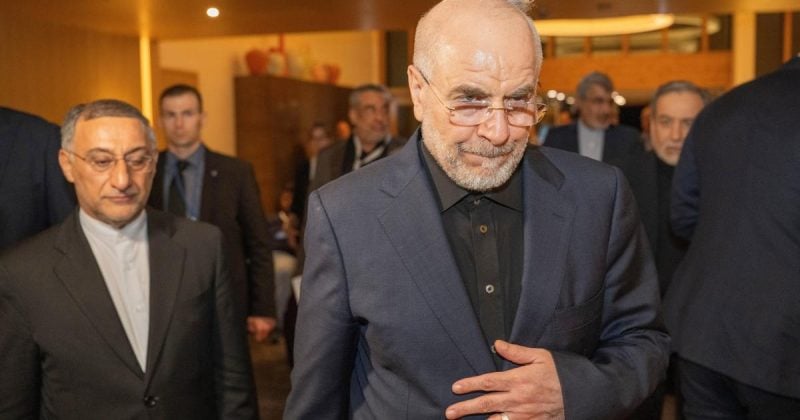
Iran and US engage in talks in Switzerland amid Strait of Hormuz tensions
Diplomatic negotiations at a Swiss resort are overshadowed by Iran's closure announcement of the world's most critical oil chokepoint, with ripple effects reaching crypto markets
The United States and Iran sat down for direct negotiations at the Burgenstock resort in Switzerland on June 20-21, with Pakistan and Qatar serving as mediators. The timing was, to put it mildly, complicated: Iran announced the closure of the Strait of Hormuz on the very same day talks began.
The Strait of Hormuz handles roughly 20-25% of global oil trade.
What actually happened in Switzerland
The negotiations were built on a memorandum of understanding designed to address two major issues: revitalizing passage through the Strait of Hormuz and tackling aspects of Iran’s nuclear program. The framework gave both sides a demanding 60-day timeline to make progress.
Iran justified its closure announcement by citing Israeli military actions in Lebanon and what Tehran described as US violations of an interim agreement. US military officials pushed back immediately, asserting that maritime traffic continued flowing through the waterway despite Iran’s declaration.
The talks quickly became centered on the deteriorating situation in Lebanon, with US Vice President JD Vance among the participants. The atmosphere inside the Swiss resort reportedly deteriorated as well, with Iranian delegates walking out of sessions. The walkouts were reportedly triggered by threats of military action issued by President Trump.
The oil chokepoint and shipping fallout
Even if the Strait wasn’t physically sealed, the announcement alone carried real consequences. Shipping data indicated a decline in transit activity following Iran’s declaration, with reported stalls in vessels moving through the passage.
The Strait of Hormuz is a 21-mile-wide passage between Iran and Oman. It connects the Persian Gulf’s oil-producing nations to the rest of the world.
The previous memorandum of understanding between the two countries was specifically intended to lift an earlier blockade around Hormuz, laying the groundwork for these Swiss talks.
Why crypto investors should pay attention
Iran presents a particularly interesting case study. The country has been integrating cryptocurrency as a tool to navigate around international sanctions for years. Reports indicate that Bitcoin and platforms described as “Hormuz Safe” have been part of Tehran’s strategy to maintain economic transactions despite being largely cut off from the global banking system.
The 60-day timeline on these negotiations means markets will be watching Switzerland closely through mid-August at minimum. The decline in shipping activity is the metric to watch most closely. If vessel transits continue dropping, the market will start pricing in a genuine supply disruption rather than diplomatic theater.
Iran’s growing reliance on crypto to circumvent financial isolation could also invite regulatory responses from the US and its allies. Tighter enforcement around sanctioned wallet addresses or increased scrutiny on exchanges processing Iranian-linked transactions would add another layer of complexity to an already volatile situation. Traders operating in this environment should be monitoring not just the diplomatic headlines but the on-chain data that might reveal how sanctioned entities are adapting in real time.