
Nexo Earn with Nexo
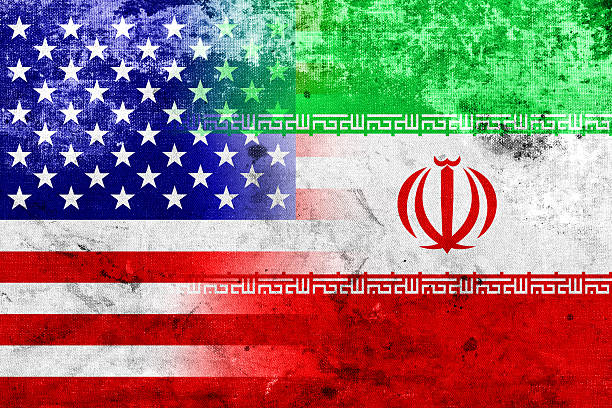
Iran-US tensions highlight military strain, potential for further escalation

Iran-US tensions highlight military strain, potential for further escalation

Iran Military Action Against Neighbors

## Market Snapshot

Iran Military Action Against Neighbors: Currently observing no significant volume. US Invasion of Iran: Priced at 17.5% YES, a shift from 20% the previous day. Iranian Demands Trump Will Agree To by June 30: Shows 23% YES, with fluctuating sub-market odds.

## Key Takeaways

– The current geopolitical tension appears to increase the likelihood of further Iranian military actions against neighbors. – U.S. military strain and regional volatility suggest an increased potential for a U.S. invasion of Iran. – Iranian demands related to Trump’s agreements show minimal new information, indicating reduced relevance to current market dynamics.

Advertisement

## Article Body

The recent U.S.-Israel conflict with Iran has exposed significant strains on U.S. military capabilities, as highlighted by a contested truce and ongoing negotiations. This scenario has emphasized Iran’s resilience, as it retains substantial missile capacity and strategic control near the Strait of Hormuz, a critical chokepoint for global oil transit. The geopolitical implications extend beyond the region, affecting U.S.-China relations and global energy markets, as disruptions in Hormuz transit particularly impact China. The conflict, therefore, is not limited to bilateral tensions but affects major power diplomacy and economic stability.

## Market Interpretation

The news is interpreted as a moderate to high impact event on markets related to potential Iranian military action against regional neighbors and the possibility of a U.S. invasion of Iran. The persistence of military strain and geopolitical disruption is supportive of YES outcomes in both markets. This suggests an increased likelihood of further military escalation and a potential U.S. military response, consistent with the observed pricing shifts.

## What to Watch

Key developments to monitor include any changes in military posturing from Iran or the U.S. and outcomes from ongoing diplomatic negotiations involving the Strait of Hormuz. Statements from Iranian and U.S. leadership, as well as movements from regional actors like Israel and Saudi Arabia, could further influence market dynamics. Additionally, watch for any updates from the International Atomic Energy Agency (IAEA) regarding Iran’s nuclear activities, as these may serve as critical indicators for market shifts.

Get prediction market intelligence as a structured API feed. Early access waitlist.

Disclosure: This article was edited by Estefano Gomez. For more information on how we create and review content, see our Editorial Policy.

Iran-US tensions highlight military strain, potential for further escalation

Iran-US tensions highlight military strain, potential for further escalation

Iran Military Action Against Neighbors

## Market Snapshot

Iran Military Action Against Neighbors: Currently observing no significant volume. US Invasion of Iran: Priced at 17.5% YES, a shift from 20% the previous day. Iranian Demands Trump Will Agree To by June 30: Shows 23% YES, with fluctuating sub-market odds.

## Key Takeaways

– The current geopolitical tension appears to increase the likelihood of further Iranian military actions against neighbors. – U.S. military strain and regional volatility suggest an increased potential for a U.S. invasion of Iran. – Iranian demands related to Trump’s agreements show minimal new information, indicating reduced relevance to current market dynamics.

Advertisement

## Article Body

The recent U.S.-Israel conflict with Iran has exposed significant strains on U.S. military capabilities, as highlighted by a contested truce and ongoing negotiations. This scenario has emphasized Iran’s resilience, as it retains substantial missile capacity and strategic control near the Strait of Hormuz, a critical chokepoint for global oil transit. The geopolitical implications extend beyond the region, affecting U.S.-China relations and global energy markets, as disruptions in Hormuz transit particularly impact China. The conflict, therefore, is not limited to bilateral tensions but affects major power diplomacy and economic stability.

## Market Interpretation

The news is interpreted as a moderate to high impact event on markets related to potential Iranian military action against regional neighbors and the possibility of a U.S. invasion of Iran. The persistence of military strain and geopolitical disruption is supportive of YES outcomes in both markets. This suggests an increased likelihood of further military escalation and a potential U.S. military response, consistent with the observed pricing shifts.

## What to Watch

Key developments to monitor include any changes in military posturing from Iran or the U.S. and outcomes from ongoing diplomatic negotiations involving the Strait of Hormuz. Statements from Iranian and U.S. leadership, as well as movements from regional actors like Israel and Saudi Arabia, could further influence market dynamics. Additionally, watch for any updates from the International Atomic Energy Agency (IAEA) regarding Iran’s nuclear activities, as these may serve as critical indicators for market shifts.

Get prediction market intelligence as a structured API feed. Early access waitlist.

Disclosure: This article was edited by Estefano Gomez. For more information on how we create and review content, see our Editorial Policy.