
 Earn with Nexo

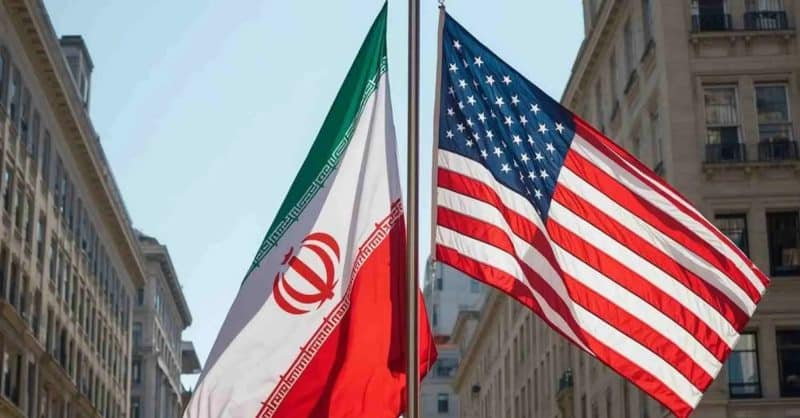
Iran and the US are set to hold peace talks in Islamabad, with both sides bringing divergent demands to the table. The market for a US-Iran ceasefire by April 15 sits at
Market reaction
The ceasefire market reflects confidence in short-term de-escalation, even as tensions persist over the Strait of Hormuz and the two sides’ demands remain far apart. With the April 11–12 talks in Pakistan, traders have priced in a resolution to immediate hostilities. The markets for April 30, May 31, June 30, and December 31 all sit at
Why it matters
The market for a US-Iran permanent peace deal by April 22 tells a different story. The gap between US demands (nuclear constraints) and Iranian demands (sanctions relief) is wide enough that traders doubt a quick resolution. Trading activity on this contract is currently zero, and the pricing suggests bearish sentiment on a deal.
With no actual trading volume across the ceasefire markets, the term structure is flat. No new information or capital is challenging the current consensus. The absence of meaningful price movement or order book depth means the pricing reflects agreement, not active speculation.
What to watch
The Islamabad talks could either build a foundation for sustained peace or expose irreconcilable differences. At 22¢, a YES share for a permanent peace deal pays $1 if resolved by April 22, a
Key signals: any post-talk announcements from Trump or Iran’s foreign ministry, specific outcomes like sanctions relief or confirmed nuclear limits, and the tone and substance of post-talk rhetoric. These will determine whether markets move off current pricing.
API CTA
Get prediction market intelligence as a structured API feed. Early access waitlist.