
Nexo Earn with Nexo
Iran warns military ships in Strait of Hormuz may become targets

Iran warns military ships in Strait of Hormuz may become targets

Strait of Hormuz Traffic in May

## Market Snapshot

Strait of Hormuz Traffic in May market sees a consistent 12% YES pricing for 20 ships transiting by May 31. The Strait of Hormuz Normal Traffic market is currently at 7.5% YES for traffic normalization by June 15. Market activity reflects heightened concerns over shipping disruptions due to Iran’s recent warning.

## Key Takeaways

– Iran’s warning about targeting military ships appears consistent with reduced likelihood of normal shipping traffic in the Strait of Hormuz. – Market pricing suggests a significant escalation in tensions could impact ship transit, with odds of 20 ships transiting by May 31 currently at 12% YES. – The potential for military action in the Strait is reflected in decreased confidence in traffic normalization by June 15, with YES pricing at 7.5%.

Advertisement

## Article Body

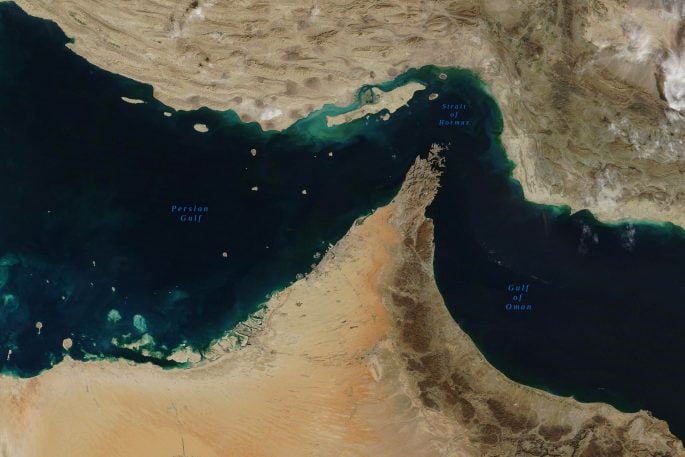
Iran’s Khatam al-Anbiya Headquarters has issued a stark warning that any military intervention in the Strait of Hormuz could result in military ships becoming targets. This declaration underscores the ongoing Iran–United States confrontation over this critical maritime chokepoint, which remains pivotal for global energy supplies. The Strait of Hormuz connects the Persian Gulf with the Gulf of Oman and the Arabian Sea, and it is a vital route for oil shipments. The U.S. has been active in maritime operations here, aiming to maintain open transit conditions, while Iran asserts control over the strait. This latest warning may indicate a potential escalation from Iran, suggesting possible direct engagement with foreign naval forces rather than simply monitoring or surveillance.

## Market Interpretation

The recent developments are consistent with a decrease in expected normal shipping traffic through the Strait of Hormuz. The market impact is classified as high, with significant implications for maritime security and commercial shipping operations. The market appears to interpret Iran’s warning as elevating the risk of transit disruptions and potential confrontation, which is reflected in the decreased YES pricing for normal traffic levels by mid-June.

## What to Watch

Observers should monitor actions and statements from major players, including the Iranian Revolutionary Guard Corps and U.S. naval forces. Any further military exercises or diplomatic engagements could influence market perceptions and pricing. Additionally, watch for changes in maritime insurance premiums, which might indicate increased risk assessments by insurers. Upcoming diplomatic talks or changes in military deployment could also impact the likelihood of shipping normalization in the region.

Get prediction market intelligence as a structured API feed. Early access waitlist.

Disclosure: This article was edited by Estefano Gomez. For more information on how we create and review content, see our Editorial Policy.

Iran warns military ships in Strait of Hormuz may become targets

Iran warns military ships in Strait of Hormuz may become targets

Strait of Hormuz Traffic in May

## Market Snapshot

Strait of Hormuz Traffic in May market sees a consistent 12% YES pricing for 20 ships transiting by May 31. The Strait of Hormuz Normal Traffic market is currently at 7.5% YES for traffic normalization by June 15. Market activity reflects heightened concerns over shipping disruptions due to Iran’s recent warning.

## Key Takeaways

– Iran’s warning about targeting military ships appears consistent with reduced likelihood of normal shipping traffic in the Strait of Hormuz. – Market pricing suggests a significant escalation in tensions could impact ship transit, with odds of 20 ships transiting by May 31 currently at 12% YES. – The potential for military action in the Strait is reflected in decreased confidence in traffic normalization by June 15, with YES pricing at 7.5%.

Advertisement

## Article Body

Iran’s Khatam al-Anbiya Headquarters has issued a stark warning that any military intervention in the Strait of Hormuz could result in military ships becoming targets. This declaration underscores the ongoing Iran–United States confrontation over this critical maritime chokepoint, which remains pivotal for global energy supplies. The Strait of Hormuz connects the Persian Gulf with the Gulf of Oman and the Arabian Sea, and it is a vital route for oil shipments. The U.S. has been active in maritime operations here, aiming to maintain open transit conditions, while Iran asserts control over the strait. This latest warning may indicate a potential escalation from Iran, suggesting possible direct engagement with foreign naval forces rather than simply monitoring or surveillance.

## Market Interpretation

The recent developments are consistent with a decrease in expected normal shipping traffic through the Strait of Hormuz. The market impact is classified as high, with significant implications for maritime security and commercial shipping operations. The market appears to interpret Iran’s warning as elevating the risk of transit disruptions and potential confrontation, which is reflected in the decreased YES pricing for normal traffic levels by mid-June.

## What to Watch

Observers should monitor actions and statements from major players, including the Iranian Revolutionary Guard Corps and U.S. naval forces. Any further military exercises or diplomatic engagements could influence market perceptions and pricing. Additionally, watch for changes in maritime insurance premiums, which might indicate increased risk assessments by insurers. Upcoming diplomatic talks or changes in military deployment could also impact the likelihood of shipping normalization in the region.

Get prediction market intelligence as a structured API feed. Early access waitlist.

Disclosure: This article was edited by Estefano Gomez. For more information on how we create and review content, see our Editorial Policy.