
Nexo Earn with Nexo
Iran reports 20,000 people without water after US strikes hit reservoir tanks

Iran reports 20,000 people without water after US strikes hit reservoir tanks

US military strikes damaged two critical water reservoirs in southern Iran during a severe heat wave, cutting off drinking water access for thousands of civilians.

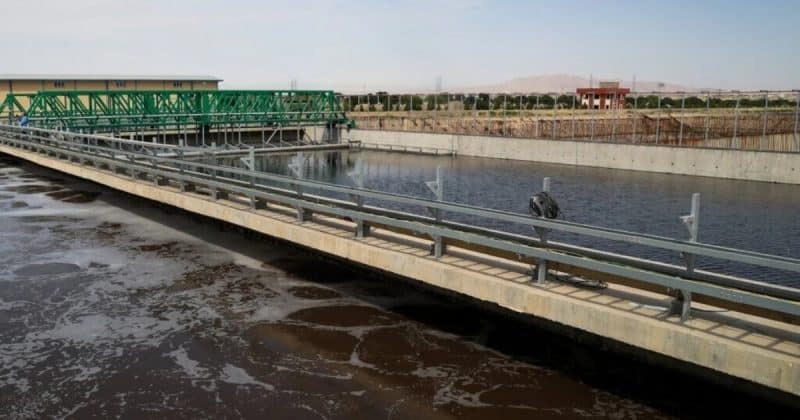
US strikes on June 10, 2026, damaged two water reservoirs in the southern Iranian port town of Sirik, leaving approximately 20,000 residents without access to safe drinking water. The attack hit during a punishing heat wave, with regional temperatures climbing between 45°C and 50°C, roughly 113°F to 122°F.

The affected populations are concentrated in the Bemani and Kouhestak areas, communities already grappling with chronic water scarcity long before the first bombs fell.

Advertisement

A pattern of infrastructure strikes

On March 7, 2026, a US strike targeted a desalination plant on Qeshm Island, an attack that disrupted water access for roughly 30 villages. That earlier incident set off alarms about the vulnerability of civilian infrastructure during the escalating US-Israel conflict with Iran, which began on February 28, 2026.

International humanitarian law generally prohibits attacks on objects indispensable to civilian survival, and water supply systems sit squarely in that category. Iranian officials have condemned the strikes as violations threatening public access to essential resources.

Iran’s water crisis predates the bombs

Iran has been battling a multi-year drought that has depleted aquifers, dried up rivers, and pushed agricultural communities to the brink. Decades of over-extraction and institutional mismanagement of water resources created a baseline crisis that military strikes are now accelerating.

Southern Iran, where Sirik is located, combines extreme heat, limited freshwater sources, and a heavy reliance on engineered water systems like reservoirs and desalination plants. When those systems go offline, there’s no natural backup.

Disclosure: This article was edited by Editorial Team. For more information on how we create and review content, see our Editorial Policy.

Iran reports 20,000 people without water after US strikes hit reservoir tanks

Iran reports 20,000 people without water after US strikes hit reservoir tanks

US military strikes damaged two critical water reservoirs in southern Iran during a severe heat wave, cutting off drinking water access for thousands of civilians.

US strikes on June 10, 2026, damaged two water reservoirs in the southern Iranian port town of Sirik, leaving approximately 20,000 residents without access to safe drinking water. The attack hit during a punishing heat wave, with regional temperatures climbing between 45°C and 50°C, roughly 113°F to 122°F.

The affected populations are concentrated in the Bemani and Kouhestak areas, communities already grappling with chronic water scarcity long before the first bombs fell.

Advertisement

A pattern of infrastructure strikes

On March 7, 2026, a US strike targeted a desalination plant on Qeshm Island, an attack that disrupted water access for roughly 30 villages. That earlier incident set off alarms about the vulnerability of civilian infrastructure during the escalating US-Israel conflict with Iran, which began on February 28, 2026.

International humanitarian law generally prohibits attacks on objects indispensable to civilian survival, and water supply systems sit squarely in that category. Iranian officials have condemned the strikes as violations threatening public access to essential resources.

Iran’s water crisis predates the bombs

Iran has been battling a multi-year drought that has depleted aquifers, dried up rivers, and pushed agricultural communities to the brink. Decades of over-extraction and institutional mismanagement of water resources created a baseline crisis that military strikes are now accelerating.

Southern Iran, where Sirik is located, combines extreme heat, limited freshwater sources, and a heavy reliance on engineered water systems like reservoirs and desalination plants. When those systems go offline, there’s no natural backup.

Disclosure: This article was edited by Editorial Team. For more information on how we create and review content, see our Editorial Policy.