
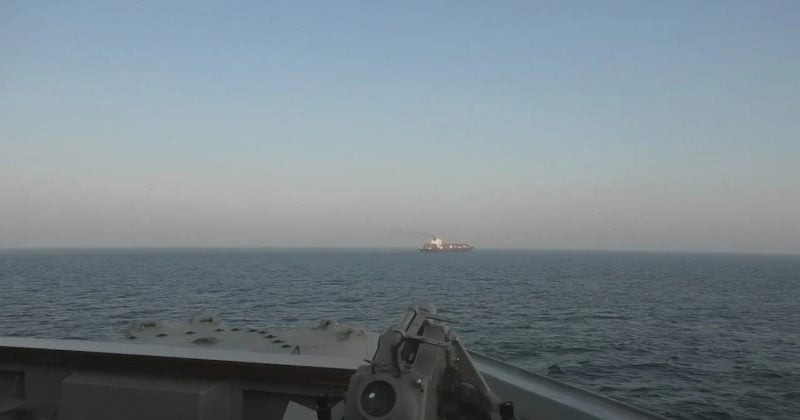
Iran declares withdrawal from MoU with US, cites naval blockade as justification

Iran declares withdrawal from MoU with US, cites naval blockade as justification

The collapse of the June 2026 agreement raises fresh questions about oil markets, sanctions enforcement, and Iran's growing reliance on crypto to move billions.

Iran has formally declared it no longer considers itself bound by the Memorandum of Understanding it signed with the United States, citing what it calls systematic violations including a naval blockade. The agreement, inked around June 17, 2026, was supposed to de-escalate tensions in the Strait of Hormuz.

Iran’s UN ambassador stated that Tehran would “no longer be bound” by the MoU if the US continues what it characterizes as violations of the deal’s terms. The agreement had called for the cessation of military operations and US naval blockades in exchange for commitments on commercial shipping navigation and temporary relief on Iranian oil sanctions.

What the MoU was supposed to do

The MoU aimed to ease regional tensions by creating a framework where the US would lift its blockade and provide temporary sanctions relief on Iranian oil. In return, Iran committed to facilitating safe passage for commercial shipping through the strait.

Advertisement

The US military did initially lift the blockade following the agreement. But a series of tanker attacks, which the US attributed to Iranian-linked actors, led Washington to reimpose sanctions and signal that the blockade could return.

The crypto dimension nobody’s talking about enough

While the MoU itself contains no provisions related to digital assets, Iran’s relationship with cryptocurrency makes this geopolitical development particularly relevant to crypto markets.

Iranian-linked wallets have transferred over $3.84 billion through CoinEx since 2019, according to tracking reports. When traditional banking rails get cut off by sanctions, crypto becomes the financial plumbing of last resort. Iran has been building that alternative plumbing for years.

US enforcement agencies have historically gone after platforms that facilitate sanctioned-entity transactions. CoinEx itself has faced scrutiny. A fresh round of Iran-related sanctions could trigger renewed regulatory pressure on exchanges that serve jurisdictions with weak KYC enforcement.

What this means for investors

The immediate market impact here runs through oil, not tokens. A reimposed blockade in the Strait of Hormuz would constrict global oil supply and send energy prices higher.

When sanctioned nations visibly use digital assets to circumvent restrictions, it hands ammunition to lawmakers who want tighter controls on the industry. The $3.84 billion figure linked to Iranian entities through a single exchange is the kind of number that shows up in congressional hearing slides.

Traders should watch for two specific catalysts. First, any formal US announcement reimposing the naval blockade. Second, any enforcement actions against crypto platforms linked to Iranian fund flows, which could create selling pressure on exchange tokens and dampen trading volumes at affected venues.

Disclosure: This article was edited by Editorial Team. For more information on how we create and review content, see our Editorial Policy.

Iran declares withdrawal from MoU with US, cites naval blockade as justification

Iran declares withdrawal from MoU with US, cites naval blockade as justification

The collapse of the June 2026 agreement raises fresh questions about oil markets, sanctions enforcement, and Iran's growing reliance on crypto to move billions.

Iran has formally declared it no longer considers itself bound by the Memorandum of Understanding it signed with the United States, citing what it calls systematic violations including a naval blockade. The agreement, inked around June 17, 2026, was supposed to de-escalate tensions in the Strait of Hormuz.

Iran’s UN ambassador stated that Tehran would “no longer be bound” by the MoU if the US continues what it characterizes as violations of the deal’s terms. The agreement had called for the cessation of military operations and US naval blockades in exchange for commitments on commercial shipping navigation and temporary relief on Iranian oil sanctions.

What the MoU was supposed to do

The MoU aimed to ease regional tensions by creating a framework where the US would lift its blockade and provide temporary sanctions relief on Iranian oil. In return, Iran committed to facilitating safe passage for commercial shipping through the strait.

Advertisement

The US military did initially lift the blockade following the agreement. But a series of tanker attacks, which the US attributed to Iranian-linked actors, led Washington to reimpose sanctions and signal that the blockade could return.

The crypto dimension nobody’s talking about enough

While the MoU itself contains no provisions related to digital assets, Iran’s relationship with cryptocurrency makes this geopolitical development particularly relevant to crypto markets.

Iranian-linked wallets have transferred over $3.84 billion through CoinEx since 2019, according to tracking reports. When traditional banking rails get cut off by sanctions, crypto becomes the financial plumbing of last resort. Iran has been building that alternative plumbing for years.

US enforcement agencies have historically gone after platforms that facilitate sanctioned-entity transactions. CoinEx itself has faced scrutiny. A fresh round of Iran-related sanctions could trigger renewed regulatory pressure on exchanges that serve jurisdictions with weak KYC enforcement.

What this means for investors

The immediate market impact here runs through oil, not tokens. A reimposed blockade in the Strait of Hormuz would constrict global oil supply and send energy prices higher.

When sanctioned nations visibly use digital assets to circumvent restrictions, it hands ammunition to lawmakers who want tighter controls on the industry. The $3.84 billion figure linked to Iranian entities through a single exchange is the kind of number that shows up in congressional hearing slides.

Traders should watch for two specific catalysts. First, any formal US announcement reimposing the naval blockade. Second, any enforcement actions against crypto platforms linked to Iranian fund flows, which could create selling pressure on exchange tokens and dampen trading volumes at affected venues.

Disclosure: This article was edited by Editorial Team. For more information on how we create and review content, see our Editorial Policy.