
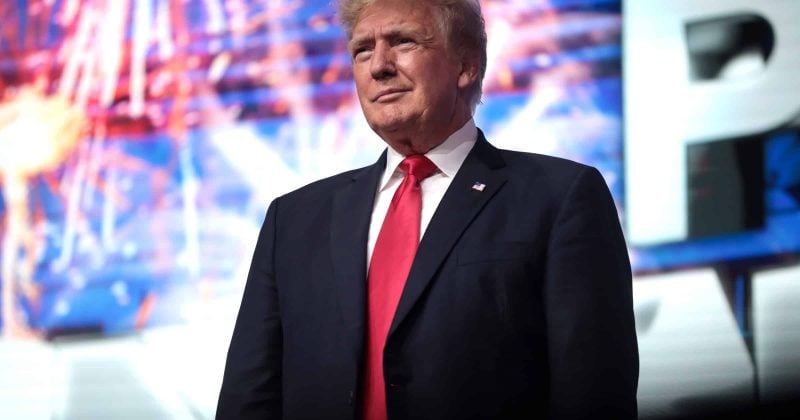
Iranian lawmaker urges public burning of MoU to send message to Trump

https://es.wikipedia.org/wiki/Donald_Trump

Iranian lawmaker urges public burning of MoU to send message to Trump

Iran withdrawal from MOU negotiations

Iranian lawmaker Mahmoud Nabavian has called for the country’s negotiating team to publicly burn the Islamabad Memorandum of Understanding (MoU) in front of world media cameras. This dramatic gesture is intended to send a clear message to U.S. President Donald Trump, underscoring hardline opposition within Iran’s parliament to the agreement. The MoU, signed on June 17, 2026, aims to end the ongoing Iran War and establish a ceasefire, while addressing issues related to Iran’s nuclear program and sanctions relief. Nabavian’s statement highlights the political friction in Iran regarding the MoU, suggesting potential challenges in the negotiation process.

Advertisement

Key Takeaways

  • Nabavian’s statement appears to reflect strong internal opposition in Iran against the MoU, potentially impacting ongoing negotiations.
  • The market for Iran’s withdrawal from the MoU negotiations by July 31 indicates a significant increase in perceived likelihood, with YES pricing now at 23.5%.
  • The public burning of the MoU, if carried out, could indicate a hardline stance, impacting diplomatic relations and market perceptions.

What to Watch

Observers should monitor any official statements from Iranian Foreign Minister Abbas Araghchi or the Iranian Foreign Ministry regarding the MoU negotiations. Developments such as a Supreme Leader’s fatwa declaring the MoU unacceptable could further shift market perceptions towards a YES outcome. Conversely, acceptance of MoU amendments or commencement of the 60-day negotiation period would be consistent with continued diplomatic engagement and could reduce the likelihood of withdrawal.

Get prediction market intelligence as a structured API feed. Early access waitlist.

Disclosure: This article was edited by Estefano Gomez. For more information on how we create and review content, see our Editorial Policy.

Iranian lawmaker urges public burning of MoU to send message to Trump

Iranian lawmaker urges public burning of MoU to send message to Trump

Iran withdrawal from MOU negotiations

https://es.wikipedia.org/wiki/Donald_Trump

Iranian lawmaker Mahmoud Nabavian has called for the country’s negotiating team to publicly burn the Islamabad Memorandum of Understanding (MoU) in front of world media cameras. This dramatic gesture is intended to send a clear message to U.S. President Donald Trump, underscoring hardline opposition within Iran’s parliament to the agreement. The MoU, signed on June 17, 2026, aims to end the ongoing Iran War and establish a ceasefire, while addressing issues related to Iran’s nuclear program and sanctions relief. Nabavian’s statement highlights the political friction in Iran regarding the MoU, suggesting potential challenges in the negotiation process.

Advertisement

Key Takeaways

  • Nabavian’s statement appears to reflect strong internal opposition in Iran against the MoU, potentially impacting ongoing negotiations.
  • The market for Iran’s withdrawal from the MoU negotiations by July 31 indicates a significant increase in perceived likelihood, with YES pricing now at 23.5%.
  • The public burning of the MoU, if carried out, could indicate a hardline stance, impacting diplomatic relations and market perceptions.

What to Watch

Observers should monitor any official statements from Iranian Foreign Minister Abbas Araghchi or the Iranian Foreign Ministry regarding the MoU negotiations. Developments such as a Supreme Leader’s fatwa declaring the MoU unacceptable could further shift market perceptions towards a YES outcome. Conversely, acceptance of MoU amendments or commencement of the 60-day negotiation period would be consistent with continued diplomatic engagement and could reduce the likelihood of withdrawal.

Get prediction market intelligence as a structured API feed. Early access waitlist.

Disclosure: This article was edited by Estefano Gomez. For more information on how we create and review content, see our Editorial Policy.