
Iranian oil tankers resume passage after US-Iran deal eases Strait of Hormuz tensions

Iranian oil tankers resume passage after US-Iran deal eases Strait of Hormuz tensions

Three tankers carrying roughly 5 million barrels of crude sailed through the former blockade zone, sending Brent crude prices tumbling nearly 5%

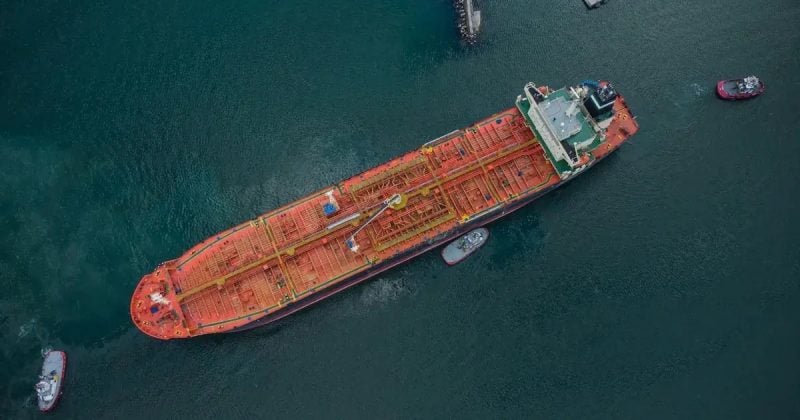
Three Iranian oil tankers passed through a US naval blockade zone on June 17, carrying approximately 5 million barrels of crude oil. It’s the first time Iranian crude has moved through the area in two months, and it signals that the months-long Strait of Hormuz standoff may finally be winding down.

The tankers, identified as the Hero II, Diona, and Sonia I, made their transit after the US and Iran reached a memorandum of understanding aimed at reopening one of the world’s most critical shipping chokepoints. Brent crude prices dropped nearly 5% on the news, with analysts projecting prices could settle below $80 per barrel if traffic continues to flow without disruption.

How the Strait of Hormuz crisis unfolded

Iran began imposing restrictions on shipping through the Strait of Hormuz in late February 2026. By April, the US had responded with blockades on Iranian ports. For two months, Iranian crude exports were effectively frozen.

Advertisement

During the early phase of the crisis in April, Iran floated an unusual proposal. Tehran suggested implementing $1-per-barrel transit tolls for ships passing through the Strait, payable in Bitcoin. The proposal didn’t gain traction as a serious policy mechanism, but it did turn heads in both energy and crypto circles as a signal of how nation-states are beginning to think about digital assets in the context of sanctions and international commerce.

What’s in the deal

The US-Iran memorandum of understanding, scheduled to be formally signed around June 20, includes immediate sanctions relief on Iranian oil sales, banking, transportation, and insurance services. The MOU operates on a performance-based framework, meaning Iran must comply with specific terms related to nuclear weapons development and navigation safety in the Strait.

Data from TankerTrackers, which monitors global vessel movements, confirmed the three loaded tankers successfully navigated the former blockade zone. A fourth vessel, an empty Iranian tanker called the Stream, was also spotted moving toward the Gulf of Oman alongside the loaded ships.

Market impact and what investors should watch

The nearly 5% drop in Brent crude prices reflects the market pricing in a scenario where Iranian supply returns to global markets in meaningful volumes. Analysts expect prices could normalize below $80 per barrel, which would represent a significant shift from the elevated levels seen during the peak of the Strait standoff.

Insurance costs for tankers transiting the Strait had spiked during the crisis, and shipping routes had been rerouted to avoid the area entirely. A normalization of passage could bring those ancillary costs back down, benefiting the entire supply chain from wellhead to refinery.

The performance-based nature of the deal also introduces uncertainty. If Iran fails to meet its obligations on nuclear development or navigation safety, the sanctions snap back, tanker traffic freezes again, and oil prices spike.

Disclosure: This article was edited by Editorial Team. For more information on how we create and review content, see our Editorial Policy.

Iranian oil tankers resume passage after US-Iran deal eases Strait of Hormuz tensions

Iranian oil tankers resume passage after US-Iran deal eases Strait of Hormuz tensions

Three tankers carrying roughly 5 million barrels of crude sailed through the former blockade zone, sending Brent crude prices tumbling nearly 5%

Three Iranian oil tankers passed through a US naval blockade zone on June 17, carrying approximately 5 million barrels of crude oil. It’s the first time Iranian crude has moved through the area in two months, and it signals that the months-long Strait of Hormuz standoff may finally be winding down.

The tankers, identified as the Hero II, Diona, and Sonia I, made their transit after the US and Iran reached a memorandum of understanding aimed at reopening one of the world’s most critical shipping chokepoints. Brent crude prices dropped nearly 5% on the news, with analysts projecting prices could settle below $80 per barrel if traffic continues to flow without disruption.

How the Strait of Hormuz crisis unfolded

Iran began imposing restrictions on shipping through the Strait of Hormuz in late February 2026. By April, the US had responded with blockades on Iranian ports. For two months, Iranian crude exports were effectively frozen.

Advertisement

During the early phase of the crisis in April, Iran floated an unusual proposal. Tehran suggested implementing $1-per-barrel transit tolls for ships passing through the Strait, payable in Bitcoin. The proposal didn’t gain traction as a serious policy mechanism, but it did turn heads in both energy and crypto circles as a signal of how nation-states are beginning to think about digital assets in the context of sanctions and international commerce.

What’s in the deal

The US-Iran memorandum of understanding, scheduled to be formally signed around June 20, includes immediate sanctions relief on Iranian oil sales, banking, transportation, and insurance services. The MOU operates on a performance-based framework, meaning Iran must comply with specific terms related to nuclear weapons development and navigation safety in the Strait.

Data from TankerTrackers, which monitors global vessel movements, confirmed the three loaded tankers successfully navigated the former blockade zone. A fourth vessel, an empty Iranian tanker called the Stream, was also spotted moving toward the Gulf of Oman alongside the loaded ships.

Market impact and what investors should watch

The nearly 5% drop in Brent crude prices reflects the market pricing in a scenario where Iranian supply returns to global markets in meaningful volumes. Analysts expect prices could normalize below $80 per barrel, which would represent a significant shift from the elevated levels seen during the peak of the Strait standoff.

Insurance costs for tankers transiting the Strait had spiked during the crisis, and shipping routes had been rerouted to avoid the area entirely. A normalization of passage could bring those ancillary costs back down, benefiting the entire supply chain from wellhead to refinery.

The performance-based nature of the deal also introduces uncertainty. If Iran fails to meet its obligations on nuclear development or navigation safety, the sanctions snap back, tanker traffic freezes again, and oil prices spike.

Disclosure: This article was edited by Editorial Team. For more information on how we create and review content, see our Editorial Policy.