
## Market Snapshot
The market for “Strait of Hormuz traffic returns to normal by end of May” is currently priced at 5.7% YES, showing a slight decrease from 6% a week ago. Meanwhile, the “Strait of Hormuz traffic returns to normal by July 31” market has seen a rise to 50.5% YES, up from 46% a week prior.
## Key Takeaways
– The report from Al-Monitor appears to suggest a significant reduction in ship transits through the Strait of Hormuz, consistent with a decrease in the likelihood of traffic normalizing by the end of May. – Market pricing indicates that the longer timeline until July 31 allows for a potential resolution, but the intensified closure by Iran still suggests a negative impact on odds for normalization by this date. – Observations show that ongoing geopolitical tensions and Iran’s stance are key factors influencing market expectations for traffic flow through the Strait.
## Article Body
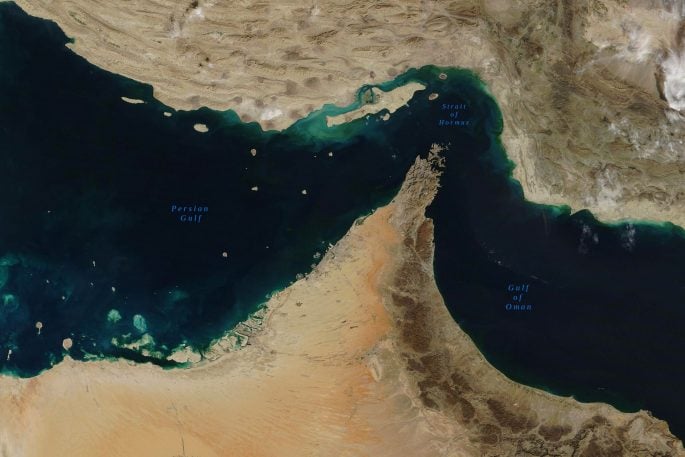
Iran’s intensified control over the Strait of Hormuz is worsening conditions for over 20,000 sailors stranded in the region. The sailors are facing severe shortages, a lack of pay, and an uncertain future due to Iran’s actions. The Strait of Hormuz is a critical maritime passage, with Iran’s measures now impacting global shipping operations, which could have significant implications for international trade and energy markets. This development comes amidst ongoing geopolitical tensions, with key figures such as Ayatollah Ali Khamenei and U.S. President Donald Trump playing pivotal roles in the unfolding situation.
See what prediction markets are pricing into the day's biggest stories.
Daily. Free. Join 34,000+ readers across crypto, finance, and policy.
## Market Interpretation
The market interpretation suggests a high impact on the likelihood of ship transits normalizing in the Strait of Hormuz by the end of May. The decrease in YES pricing for May suggests a lack of confidence among market participants regarding a quick resolution. For the July 31 market, the increase to 50.5% YES indicates some optimism, but the impact is considered moderate due to the potential for changes over the longer timeline. Overall, current pricing reflects concerns over continued disruptions and geopolitical tensions.
## What to Watch
Key developments to monitor include potential diplomatic engagements between Iran and the United States, which could alter the current trajectory. Any announcements from the IRGC or maritime organizations regarding changes in restrictions or naval exercises will be crucial. Additionally, shifts in oil prices, insurance premiums, and shipping company operations could provide further indicators of the situation’s evolution. Observers should remain attentive to statements from relevant military and government officials on both sides.