
 Earn with Nexo

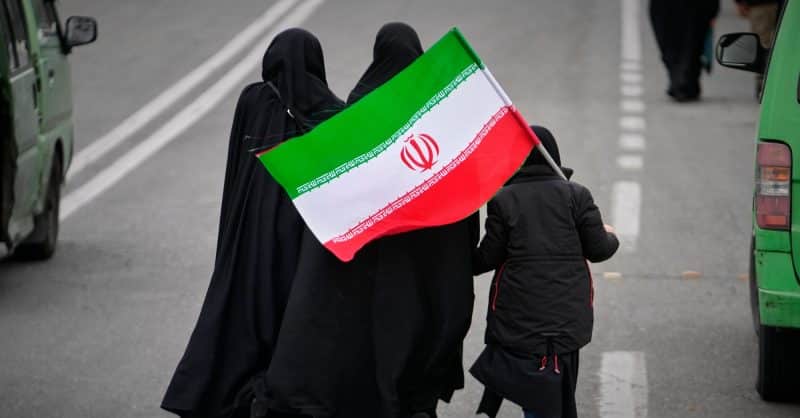
Iran’s Mobarakeh steel plant has stopped production due to strikes. Iran is also coordinating with Oman to manage the Strait of Hormuz. Odds for a ceasefire by April 7 have dropped to 8% YES from 10% yesterday.
The shutdown occurs amid rising US-Iran-Israel tensions, highlighted by airstrikes on Iranian sites and Iran’s control over the Strait of Hormuz. The April 7 ceasefire odds have decreased, indicating increased conflict expectations. The April 30 market rose to 38% YES from 36%, suggesting traders anticipate a resolution catalyst later in the month.
Trading volume is at $1,365,780 in USDC across all ceasefire markets, with the largest change being a 4-point rise in the April 30 market. This points to speculation on potential diplomatic moves or military shifts. The order book depth shows $15,138 is needed to move the April 7 market price 5 points, indicating sensitivity to smaller trades.
The escalation suggests low chances for a short-term ceasefire. The plant’s closure and Strait control highlight Iran’s defensive stance, reducing the likelihood of a diplomatic breakthrough by April 7. A YES share at 8¢ for an April 7 ceasefire pays $1 if it resolves, but optimism for imminent progress is lacking.
Watch for changes in US military actions or new diplomatic efforts, especially from Oman or Qatar, which could affect these markets. Trump’s statements or any UN intervention attempts are also crucial to monitor.
Get prediction market intelligence as a structured API feed. Early access waitlist.