
Iraq reaffirms OPEC membership while quietly pushing for a bigger slice of the pie

Iraq reaffirms OPEC membership while quietly pushing for a bigger slice of the pie

Baghdad says it's not leaving the oil cartel, but its demands for a higher production quota tell a more complicated story

Iraq wants everyone to know it’s staying in OPEC. Whether OPEC gives Iraq what it actually wants is a different question entirely.

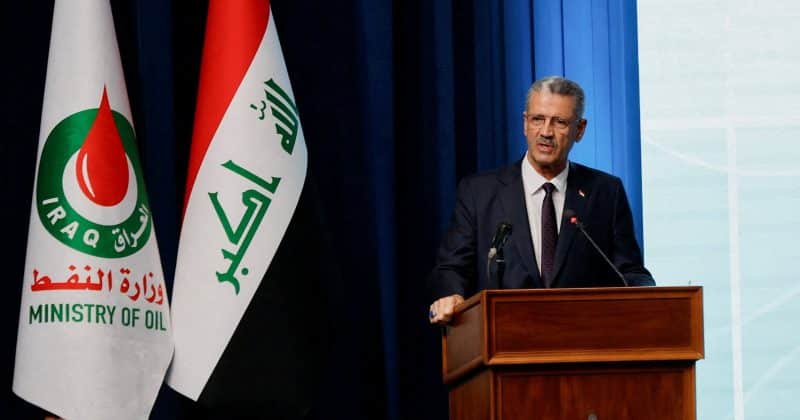
Oil Ministry spokesperson Salim Al-Rikabi confirmed on June 25 that Iraq has no plans to withdraw from the Organization of the Petroleum Exporting Countries. The statement was aimed squarely at tamping down speculation that Baghdad might follow the United Arab Emirates out the door, after the UAE left OPEC months earlier to pursue its own production ambitions.

Iraq isn’t just reaffirming loyalty for the sake of it. The country is simultaneously pressing OPEC for a higher production quota, a move that puts it in an awkward position: committed to the club’s rules, but openly unhappy with how those rules apply to it.

Advertisement

What Iraq actually wants

Iraq is one of the five founding members of OPEC, which was established in 1960. That founding status carries weight in Baghdad, both as a point of national pride and as leverage in negotiations over production ceilings.

The country has been advocating for an increase to its output limits, arguing that its current quota doesn’t reflect either its production capacity or the demands of the global market. Reuters has reported that Iraq has considered leaving OPEC if its production quota is not raised, which is presumably what prompted Al-Rikabi’s public reassurance in the first place.

Al-Rikabi’s statement tried to thread the needle. Iraq is committed to OPEC, he said, but any future considerations about membership would depend on the organization’s response to its quota requests. That’s not exactly an unconditional pledge of allegiance.

The UAE precedent and OPEC’s cohesion problem

The UAE’s departure from OPEC wasn’t just a single country making a sovereign decision about its energy policy. It was a signal that the cartel’s consensus model has limits, especially when individual nations believe they’re leaving money on the table by capping production.

For OPEC leadership, the challenge is structural. If they raise Iraq’s quota, other members will want the same treatment. If they don’t, they risk losing another founding member. Neither option is painless.

What this means for energy markets and investors

The immediate market read on Iraq’s statement is stabilizing. A founding member publicly committing to OPEC membership reduces one source of uncertainty around the cartel’s future.

If OPEC accommodates Iraq’s demands, expect a potential short-term increase in global supply that could soften prices. If OPEC holds firm, watch for escalating rhetoric from Baghdad and possibly other members who feel constrained by their current ceilings.

Disclosure: This article was edited by Editorial Team. For more information on how we create and review content, see our Editorial Policy.

Iraq reaffirms OPEC membership while quietly pushing for a bigger slice of the pie

Iraq reaffirms OPEC membership while quietly pushing for a bigger slice of the pie

Baghdad says it's not leaving the oil cartel, but its demands for a higher production quota tell a more complicated story

Iraq wants everyone to know it’s staying in OPEC. Whether OPEC gives Iraq what it actually wants is a different question entirely.

Oil Ministry spokesperson Salim Al-Rikabi confirmed on June 25 that Iraq has no plans to withdraw from the Organization of the Petroleum Exporting Countries. The statement was aimed squarely at tamping down speculation that Baghdad might follow the United Arab Emirates out the door, after the UAE left OPEC months earlier to pursue its own production ambitions.

Iraq isn’t just reaffirming loyalty for the sake of it. The country is simultaneously pressing OPEC for a higher production quota, a move that puts it in an awkward position: committed to the club’s rules, but openly unhappy with how those rules apply to it.

Advertisement

What Iraq actually wants

Iraq is one of the five founding members of OPEC, which was established in 1960. That founding status carries weight in Baghdad, both as a point of national pride and as leverage in negotiations over production ceilings.

The country has been advocating for an increase to its output limits, arguing that its current quota doesn’t reflect either its production capacity or the demands of the global market. Reuters has reported that Iraq has considered leaving OPEC if its production quota is not raised, which is presumably what prompted Al-Rikabi’s public reassurance in the first place.

Al-Rikabi’s statement tried to thread the needle. Iraq is committed to OPEC, he said, but any future considerations about membership would depend on the organization’s response to its quota requests. That’s not exactly an unconditional pledge of allegiance.

The UAE precedent and OPEC’s cohesion problem

The UAE’s departure from OPEC wasn’t just a single country making a sovereign decision about its energy policy. It was a signal that the cartel’s consensus model has limits, especially when individual nations believe they’re leaving money on the table by capping production.

For OPEC leadership, the challenge is structural. If they raise Iraq’s quota, other members will want the same treatment. If they don’t, they risk losing another founding member. Neither option is painless.

What this means for energy markets and investors

The immediate market read on Iraq’s statement is stabilizing. A founding member publicly committing to OPEC membership reduces one source of uncertainty around the cartel’s future.

If OPEC accommodates Iraq’s demands, expect a potential short-term increase in global supply that could soften prices. If OPEC holds firm, watch for escalating rhetoric from Baghdad and possibly other members who feel constrained by their current ceilings.

Disclosure: This article was edited by Editorial Team. For more information on how we create and review content, see our Editorial Policy.