
Iraq risks halting public salaries if Strait of Hormuz remains closed, minister warns
With oil output slashed by two-thirds and 25 trillion freshly printed dinars flooding the economy, Iraq's fiscal crisis is becoming a case study in what happens when a petrostate loses its lifeline.
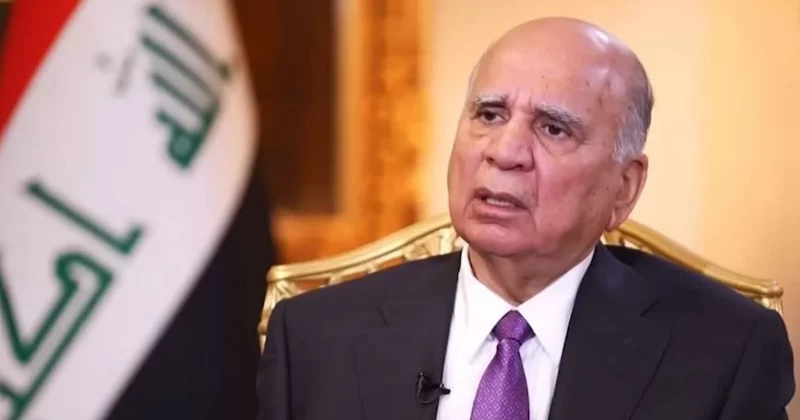
Iraq’s Foreign Minister Fuad Hussein delivered a blunt warning on June 7: if the Strait of Hormuz doesn’t reopen, the government may not be able to pay public-sector salaries next month. For a country where oil revenue funds roughly 90% of the national budget, that’s not hyperbole. It’s arithmetic.
The strait, a narrow chokepoint connecting the Persian Gulf to open ocean, has been effectively shut down amid escalating regional tensions involving Iran. Iraq’s daily oil output has cratered from approximately 4.3 million barrels per day to around 1.4 million. That’s not a dip. That’s a two-thirds collapse in the country’s primary revenue engine.
A government running on printed money
To keep the lights on, Baghdad has resorted to one of the oldest and most dangerous tools in the fiscal playbook: printing money. The Iraqi government has added 25 trillion dinars, roughly $16.3 billion, to the money supply. That’s a 25% increase, pushing the total from 100 trillion to 125 trillion dinars.
Advisors to the Prime Minister have reportedly indicated that austerity measures and external loans may be necessary if oil exports aren’t restored soon.
The oil price paradox
Global oil prices have surged nearly 50% since this crisis began. Oil is more valuable than it’s been in a long time, and Iraq, one of OPEC’s largest producers, can barely sell any of it.
The news moving money, markets, and the world—before your day starts.
Daily. Free. Join 34,000+ readers across crypto, finance, and policy.
The Strait of Hormuz handles about 20% of global oil trade. When it’s disrupted, every barrel that does make it to market commands a premium. Iraq, geographically locked into Gulf shipping lanes for the bulk of its exports, doesn’t have that luxury.
What this means for global markets and crypto
The direct crypto angle here is admittedly thin, and anyone claiming otherwise is selling you something. No significant capital flows from Iraq into digital assets have been documented as a result of this crisis.
Iraq’s fiscal crisis is extreme but not unique. It’s what happens when an economy bets nearly everything on a single commodity and a single export route. The salary threat is real, the money printing is dangerous, and the ripple effects extend far beyond Baghdad.