
IRGC missile and drone strikes on US bases send Bitcoin tumbling before sharp rebound

IRGC missile and drone strikes on US bases send Bitcoin tumbling before sharp rebound

Iran's retaliatory attacks on military installations in Kuwait and Bahrain triggered a crypto market whipsaw, with Bitcoin dropping to $99.5K before recovering above $102K.

Iran’s Islamic Revolutionary Guard Corps launched a large-scale missile and drone assault targeting US military bases across the Gulf region. The crypto market’s reaction was swift, violent, and, for leveraged traders, extremely expensive.

Bitcoin plunged to approximately $99.5K in the immediate aftermath of the June 28 strikes before snapping back above $102K.

What happened on the ground

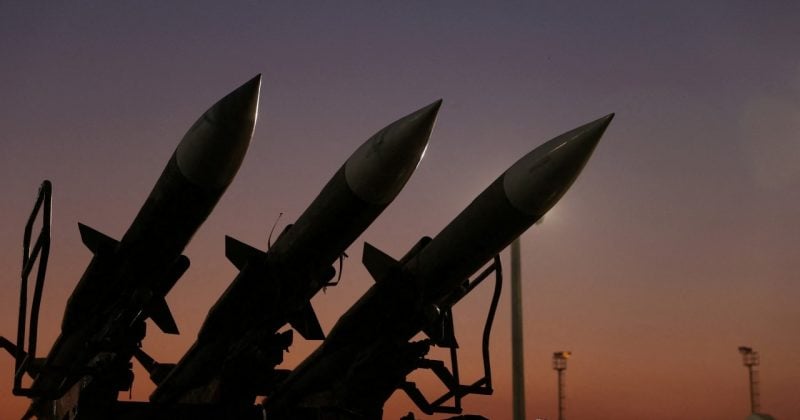
The IRGC announced the strikes as retaliation for earlier US airstrikes, deploying a combination of ballistic missiles, cruise missiles, and drones against multiple targets. Key installations in the crosshairs included the Ali Al-Salem Air Base in Kuwait and the US Fifth Fleet headquarters in Bahrain.

Most of the incoming threats were intercepted by Kuwaiti and Bahraini defense systems. Initial reports indicate minimal infrastructure damage and no confirmed American casualties.

Advertisement

The June 28 operation wasn’t the first salvo. Earlier in the month, on June 10, reports surfaced that the IRGC had launched strikes targeting 22 US positions across Jordan, Bahrain, and Kuwait.

While Iranian state media broadcast claims of significant damage, independent verification has been scarce.

The crypto market felt it anyway

Bitcoin’s drop to roughly $99.5K and subsequent recovery above $102K compressed into a remarkably short window. The move itself, roughly a 2.5% swing, wouldn’t normally raise eyebrows in crypto. But in the context of leveraged positions, it was devastating.

Previous geopolitical escalations involving Iran earlier in 2026 triggered approximately $1 billion in Bitcoin liquidations. Traders running high leverage on perpetual futures contracts get wiped out in exactly these scenarios, where the move is sharp enough to trigger cascading liquidations but short-lived enough that the underlying market barely remembers it happened.

Bitcoin’s ability to reclaim $102K suggests that the selling pressure was almost entirely liquidation-driven rather than reflecting a genuine shift in investor sentiment.

Why crypto keeps reacting to Middle East tensions

Iran has historically leveraged cryptocurrency mining as a mechanism to generate revenue outside the reach of international sanctions. Any escalation involving Iran carries a secondary implication for crypto markets: the potential for tighter enforcement, new sanctions frameworks, or disruptions to mining operations.

Iran remains a significant player in global oil markets, and any military conflict in the Gulf region threatens shipping lanes and production facilities. Rising energy costs ripple through every sector, including the energy-intensive Bitcoin mining industry. Higher electricity prices compress miner margins, which can lead to reduced hash rate and, in extreme scenarios, miner capitulation.

What investors should watch next

For crypto investors, spot Bitcoin tends to recover quickly from geopolitically driven selloffs. The real risk sits in the derivatives market, where leveraged positions face existential threats from the kind of sudden, headline-driven volatility these events produce.

A confirmed attack resulting in significant American casualties or damage to critical energy infrastructure would likely trigger a very different market response than what we’ve seen so far.

Disclosure: This article was edited by Editorial Team. For more information on how we create and review content, see our Editorial Policy.

IRGC missile and drone strikes on US bases send Bitcoin tumbling before sharp rebound

IRGC missile and drone strikes on US bases send Bitcoin tumbling before sharp rebound

Iran's retaliatory attacks on military installations in Kuwait and Bahrain triggered a crypto market whipsaw, with Bitcoin dropping to $99.5K before recovering above $102K.

Iran’s Islamic Revolutionary Guard Corps launched a large-scale missile and drone assault targeting US military bases across the Gulf region. The crypto market’s reaction was swift, violent, and, for leveraged traders, extremely expensive.

Bitcoin plunged to approximately $99.5K in the immediate aftermath of the June 28 strikes before snapping back above $102K.

What happened on the ground

The IRGC announced the strikes as retaliation for earlier US airstrikes, deploying a combination of ballistic missiles, cruise missiles, and drones against multiple targets. Key installations in the crosshairs included the Ali Al-Salem Air Base in Kuwait and the US Fifth Fleet headquarters in Bahrain.

Most of the incoming threats were intercepted by Kuwaiti and Bahraini defense systems. Initial reports indicate minimal infrastructure damage and no confirmed American casualties.

Advertisement

The June 28 operation wasn’t the first salvo. Earlier in the month, on June 10, reports surfaced that the IRGC had launched strikes targeting 22 US positions across Jordan, Bahrain, and Kuwait.

While Iranian state media broadcast claims of significant damage, independent verification has been scarce.

The crypto market felt it anyway

Bitcoin’s drop to roughly $99.5K and subsequent recovery above $102K compressed into a remarkably short window. The move itself, roughly a 2.5% swing, wouldn’t normally raise eyebrows in crypto. But in the context of leveraged positions, it was devastating.

Previous geopolitical escalations involving Iran earlier in 2026 triggered approximately $1 billion in Bitcoin liquidations. Traders running high leverage on perpetual futures contracts get wiped out in exactly these scenarios, where the move is sharp enough to trigger cascading liquidations but short-lived enough that the underlying market barely remembers it happened.

Bitcoin’s ability to reclaim $102K suggests that the selling pressure was almost entirely liquidation-driven rather than reflecting a genuine shift in investor sentiment.

Why crypto keeps reacting to Middle East tensions

Iran has historically leveraged cryptocurrency mining as a mechanism to generate revenue outside the reach of international sanctions. Any escalation involving Iran carries a secondary implication for crypto markets: the potential for tighter enforcement, new sanctions frameworks, or disruptions to mining operations.

Iran remains a significant player in global oil markets, and any military conflict in the Gulf region threatens shipping lanes and production facilities. Rising energy costs ripple through every sector, including the energy-intensive Bitcoin mining industry. Higher electricity prices compress miner margins, which can lead to reduced hash rate and, in extreme scenarios, miner capitulation.

What investors should watch next

For crypto investors, spot Bitcoin tends to recover quickly from geopolitically driven selloffs. The real risk sits in the derivatives market, where leveraged positions face existential threats from the kind of sudden, headline-driven volatility these events produce.

A confirmed attack resulting in significant American casualties or damage to critical energy infrastructure would likely trigger a very different market response than what we’ve seen so far.

Disclosure: This article was edited by Editorial Team. For more information on how we create and review content, see our Editorial Policy.