
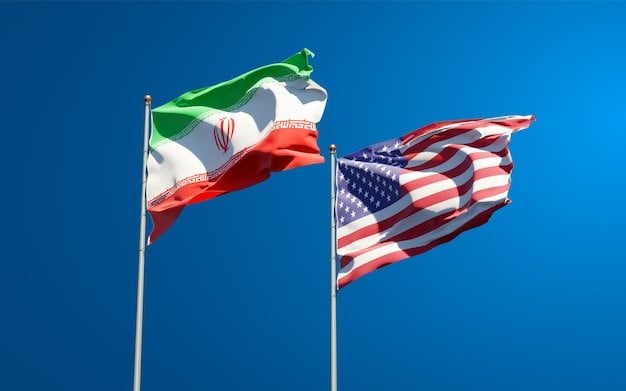
IRGC warns US of ‘impossible’ war or ‘bad deal’ amid rising tensions
Next US-Iran Diplomatic Meeting
## Market Snapshot
The market for “Will no qualifying diplomatic US-Iran meeting occur by June 30, 2026?” is currently priced at 31.2% YES. This has increased from 29% YES 24 hours ago, reflecting heightened uncertainty following recent geopolitical tensions.
## Key Takeaways
– The IRGC’s warning to the US appears consistent with reduced prospects for a diplomatic meeting by June 30, 2026. – Market pricing suggests participants view the likelihood of WTI crude oil hitting $150 in May 2026 as increased, driven by potential disruptions in oil supply. – Stalled negotiations and escalating tensions appear to influence market sentiment towards geopolitical risk scenarios.
## Article Body
Tensions between the US and Iran have escalated following a message from the Islamic Revolutionary Guard Corps (IRGC) to the US, framing the choice as between an “impossible” war or a “bad deal.” This development comes amid the ongoing US-Israeli military campaign against Iran, which began with strikes killing Iran’s Supreme Leader. Despite significant military actions, the US has not achieved regime change, while Iran continues to maintain its nuclear capabilities and strategic control over the Strait of Hormuz. The IRGC has threatened to target regional energy infrastructure if its red lines are crossed, further complicating the already stalled negotiations. The situation reflects a complex geopolitical landscape where both military and diplomatic efforts are at a standstill.
Macro, rates, and crypto—what moved markets and what matters next.
Daily. Free. Join 34,000+ readers across crypto, finance, and policy.
## Market Interpretation
The IRGC’s recent message is perceived as a hardening stance, which is consistent with a decreased likelihood of a US-Iran diplomatic meeting by the end of June 2026. The impact on the market for this scenario appears to be moderate. Furthermore, the ongoing conflict and threats to regional energy infrastructure appear supportive of scenarios where WTI crude oil prices could rise, with a high impact on market expectations for a price spike in May 2026.
## What to Watch
Key developments to monitor include any announcements from US or Iranian officials regarding potential diplomatic talks. The actions of Iran’s military, especially regarding threats to energy infrastructure, could significantly influence market perceptions. Additionally, shifts in US policy or rhetoric, particularly from former President Trump, may affect the likelihood of future negotiations. The response of global oil markets and any new intelligence on military activities in the region will also be critical in shaping market expectations.