
Israel halts planned strikes on Iran after US intervention, crypto markets react
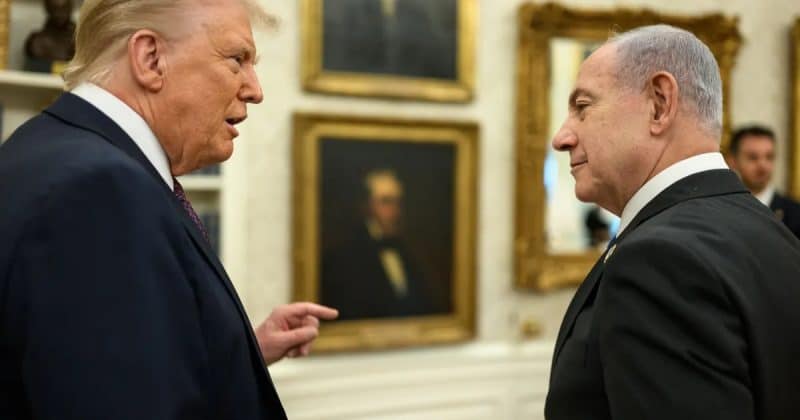
Netanyahu ordered fighter jets to stand down following a direct request from Trump, marking the third time US presidential influence has paused Israeli military operations in the conflict.
Israeli fighter jets were ready for takeoff. Hundreds of Iranian targets were programmed into their systems. Then a phone call changed everything.
On June 8, Prime Minister Benjamin Netanyahu ordered the Israel Defense Forces to halt planned military strikes against Iran after a direct intervention from US President Donald Trump. The decision came at what appears to have been the last possible moment, with aircraft reportedly prepared to launch when the stand-down order arrived.
What happened and why it matters
Israel had prepared a large-scale operation targeting hundreds of sites inside Iran, a response to recent exchanges of fire between the two countries in early June. Netanyahu’s decision to pause came specifically after receiving a message relayed from Trump, making this the third known instance of a US president directly influencing Israeli military operations during the ongoing conflict.
Netanyahu framed the halt as conditional, not permanent. He publicly stated that Israel’s operations were on hold, but warned of strong retaliation if Iranian attacks were to resume.
The timing tracks with broader US diplomatic efforts aimed at advancing nuclear talks or establishing some kind of framework agreement with Iran.
Macro, rates, and crypto—what moved markets and what matters next.
Daily. Free. Join 34,000+ readers across crypto, finance, and policy.
The broader conflict context
The planned strikes didn’t emerge in a vacuum. Israeli and Iranian forces had been exchanging fire in the days leading up to June 8, part of an escalation cycle that intensified dramatically following direct military confrontations beginning in February 2026, when initial strikes by US and Israeli forces occurred. Hezbollah from Lebanon has also been drawn into the hostilities.
The hundreds of targets Israel had identified suggest a campaign designed not for symbolic deterrence but for meaningful degradation of Iranian military capabilities.
How crypto markets responded
During the period of heightened tensions between Israel and Iran, trading volumes on decentralized platforms saw notable increases, particularly concentrated in oil-linked contracts and gold-backed tokens like XAUT, as investors sought hedges against potential volatility in commodity prices.
The surge in gold-backed token activity is particularly worth monitoring. XAUT and similar instruments serve as a bridge between traditional safe-haven investing and the crypto ecosystem.
The risk cuts both ways. Greater interconnectedness with geopolitical events means greater exposure to volatility driven by factors entirely outside the crypto ecosystem’s control. A single phone call between two world leaders just grounded an air force. That same kind of unpredictability can whipsaw markets that have positioned themselves around conflict expectations, leaving leveraged traders on the wrong side of a peace deal they didn’t see coming.