
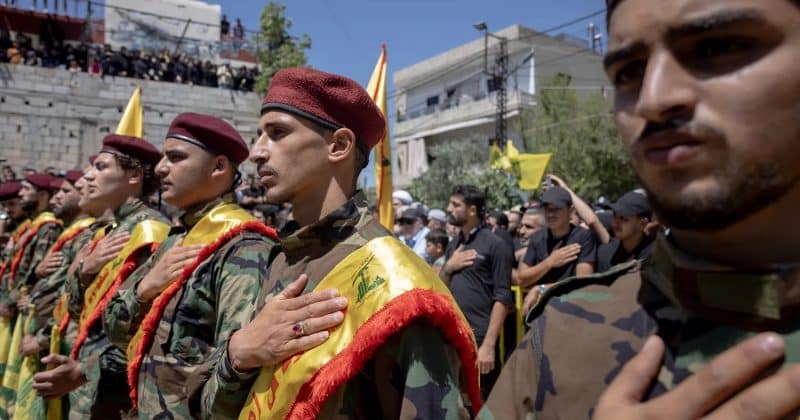
Renewed fighting between Israel and Hezbollah threatens US-Iran deal, rattling crypto and oil markets
Bitcoin and energy markets face fresh volatility as Middle East escalation puts a fragile ceasefire and the Strait of Hormuz reopening at risk
The US-Iran preliminary agreement reached on June 15, 2026, was supposed to be the off-ramp. Extend the ceasefire, reopen the Strait of Hormuz, start a 60-day negotiation window on Iran’s nuclear program and sanctions relief.
The renewed clashes between Israeli forces and Hezbollah have thrown the fragile diplomatic framework into immediate jeopardy. Iran has made its position clear: no end to the fighting in Lebanon, no moving forward on negotiations. That puts billions in frozen Iranian assets, the reopening of one of the world’s most critical shipping lanes, and any hope of broader de-escalation on a very precarious shelf.
What’s actually at stake with the Strait of Hormuz
Roughly 20% of global oil and LNG shipments pass through the Strait of Hormuz. The strait has been functionally choked since hostilities escalated following US-Israel strikes on Iran that began on February 28, 2026. A US-brokered ceasefire in April 2026 managed to hold for a few months before hostilities resumed.
Oil prices climbed nearly 2% amid the renewed conflict and continued strait disruptions in early June. The preliminary agreement outlined a path to reopening commercial shipping through the strait while kicking off structured talks about Iran’s nuclear program and sanctions relief that would give Tehran access to billions in blocked funds.
Macro, rates, and crypto—what moved markets and what matters next.
Daily. Free. Join 34,000+ readers across crypto, finance, and policy.
Bitcoin’s geopolitical sensitivity is showing
Bitcoin fell below $64,000 after the initial reports of US strikes on Iran earlier this year. The recovery came relatively quickly, but the pattern is what matters. Bitcoin is increasingly trading as a barometer of global risk appetite. When geopolitical tension spikes, BTC sells off alongside equities. When it eases, both bounce.
The Israeli variable nobody can control
The Israeli government has confirmed ongoing military operations in Lebanese territories even as the US-Iran discussions progress. Iran’s leverage in these negotiations rests partly on its relationship with Hezbollah. If Israel continues striking Hezbollah positions in Lebanon while the US simultaneously asks Iran to make concessions on its nuclear program, the optics for Iranian leadership become politically impossible.
Traders watching this space should pay close attention to two things over the coming weeks. First, whether the 60-day negotiation window actually begins or gets delayed by continued fighting. Second, whether oil prices stabilize or continue climbing, since energy costs remain the transmission mechanism through which Middle Eastern conflict reaches every other asset class, crypto included.