
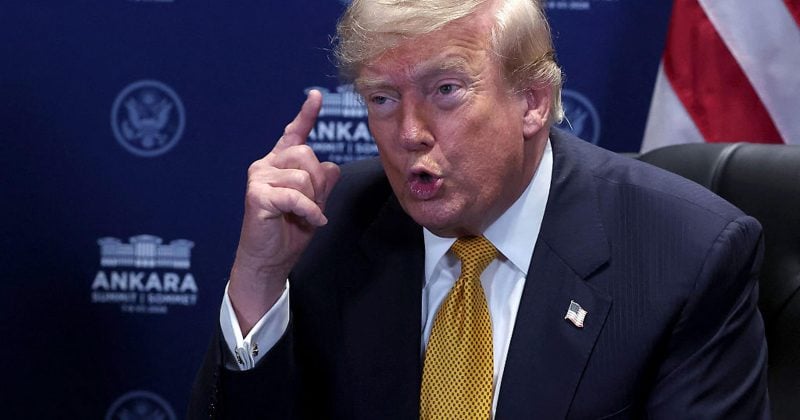
Israel shares intelligence with US on Iranian plot against Trump, raising geopolitical risk for markets
New intelligence claiming Iran planned to assassinate the US president adds fuel to an already volatile geopolitical landscape, with implications rippling across oil, defense, and risk-sensitive assets including crypto.
Israel has passed new intelligence to the United States claiming Iran is actively plotting to kill President Donald Trump. The information, shared around July 9-10, is described as more specific than the general threat assessments that have circulated for years, marking a sharp escalation in an already combustible relationship between Washington and Tehran.
US officials reportedly had not previously vetted or tracked the specifics of this particular plot before Israel’s warning landed on their desks.
What we know about the intelligence
The plot is characterized as “new” and more granular than prior warnings about Iranian intentions toward Trump. Previous assessments have long flagged Iran as a persistent threat to the former and current president, particularly following the 2020 killing of Iranian General Qasem Soleimani, which Tehran has repeatedly vowed to avenge.
Trump himself has publicly remarked that Iran aims to “take out” the US president.
The revelation arrives against a backdrop of active US-Iran military clashes in the Strait of Hormuz. No independent verification of the plot’s details has emerged from US authorities.
The geopolitical powder keg
The Strait of Hormuz handles roughly a fifth of the world’s daily oil consumption.
Israel’s role as the intelligence provider is itself significant. Jerusalem has its own fraught relationship with Tehran, and sharing this kind of specific threat information with Washington deepens the strategic alignment between the two allies.
Why crypto and broader markets should pay attention
Iran has been one of the most active state-level users of cryptocurrency to circumvent US financial restrictions. Any escalation in US-Iran tensions tends to bring renewed scrutiny to crypto’s role in sanctions evasion, which can translate into regulatory headwinds for the broader industry.