
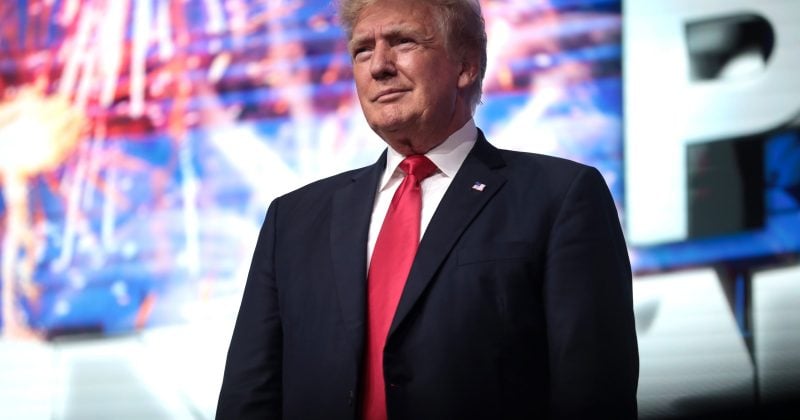
Israel warns US of Iranian assassination plot against Trump, rattling crypto markets

Israel warns US of Iranian assassination plot against Trump, rattling crypto markets

The intelligence sharing comes as Trump declared a US-Iran ceasefire 'over,' sending Bitcoin and Ether lower while oil prices spike.

Israel has passed intelligence to Washington detailing a new Iranian plot to assassinate President Donald Trump, escalating an already volatile standoff between the US and Iran that is now bleeding into crypto markets.

The warning, reported by WSJ and CNN on July 9, is not a rehash of older, generalized threat assessments. This one is specific, actionable, and arrived the same week Trump declared a ceasefire memorandum with Iran “over.”

What happened and why it matters for markets

The intelligence Israel shared reportedly contains specific details about an active plot, distinguishing it from the broader threat landscape that has surrounded Trump since the January 2020 US drone strike that killed Iranian General Qassem Soleimani. Iran has openly vowed retaliation for that killing for more than six years now.

Advertisement

This is not the first time Iranian-linked threats against Trump have surfaced. A murder-for-hire scheme allegedly connected to Iran was uncovered in 2024. But the current warning arrives in a far more combustible environment, with active military exchanges between the US and Iran in the Strait of Hormuz and diplomatic channels effectively frozen.

Bitcoin and Ether both declined in the aftermath of Trump’s declaration that the ceasefire was over, while oil prices spiked.

The geopolitical backdrop is getting worse, not better

Trump’s decision to declare the ceasefire “over” this week removed what little diplomatic cushion existed. Without it, the relationship between Washington and Tehran reverts to something closer to an open adversarial posture, with military assets in proximity in the Strait of Hormuz.

Israel’s role as the intelligence conduit adds another layer. The US-Israel intelligence relationship is among the deepest in the world, and the fact that this warning came through Israeli channels suggests it may have originated from sources with direct access to Iranian planning.

The Strait of Hormuz is one of the most strategically significant chokepoints in global energy markets. Roughly a fifth of the world’s oil supply passes through it daily.

What this means for crypto investors

The initial market reaction, with Bitcoin and Ether both dropping as oil surged, follows a pattern that has repeated across multiple geopolitical flashpoints in recent years.

If tensions continue to escalate, expect continued downward pressure on crypto as capital rotates into traditional safe havens like gold, treasuries, and the dollar. Oil prices could climb further, which feeds into inflation expectations, which in turn makes the Federal Reserve less likely to cut rates. New sanctions on Iranian oil, for example, could push crude prices higher and tighten global energy supply.

Disclosure: This article was edited by Editorial Team. For more information on how we create and review content, see our Editorial Policy.

Israel warns US of Iranian assassination plot against Trump, rattling crypto markets

Israel warns US of Iranian assassination plot against Trump, rattling crypto markets

The intelligence sharing comes as Trump declared a US-Iran ceasefire 'over,' sending Bitcoin and Ether lower while oil prices spike.

Israel has passed intelligence to Washington detailing a new Iranian plot to assassinate President Donald Trump, escalating an already volatile standoff between the US and Iran that is now bleeding into crypto markets.

The warning, reported by WSJ and CNN on July 9, is not a rehash of older, generalized threat assessments. This one is specific, actionable, and arrived the same week Trump declared a ceasefire memorandum with Iran “over.”

What happened and why it matters for markets

The intelligence Israel shared reportedly contains specific details about an active plot, distinguishing it from the broader threat landscape that has surrounded Trump since the January 2020 US drone strike that killed Iranian General Qassem Soleimani. Iran has openly vowed retaliation for that killing for more than six years now.

Advertisement

This is not the first time Iranian-linked threats against Trump have surfaced. A murder-for-hire scheme allegedly connected to Iran was uncovered in 2024. But the current warning arrives in a far more combustible environment, with active military exchanges between the US and Iran in the Strait of Hormuz and diplomatic channels effectively frozen.

Bitcoin and Ether both declined in the aftermath of Trump’s declaration that the ceasefire was over, while oil prices spiked.

The geopolitical backdrop is getting worse, not better

Trump’s decision to declare the ceasefire “over” this week removed what little diplomatic cushion existed. Without it, the relationship between Washington and Tehran reverts to something closer to an open adversarial posture, with military assets in proximity in the Strait of Hormuz.

Israel’s role as the intelligence conduit adds another layer. The US-Israel intelligence relationship is among the deepest in the world, and the fact that this warning came through Israeli channels suggests it may have originated from sources with direct access to Iranian planning.

The Strait of Hormuz is one of the most strategically significant chokepoints in global energy markets. Roughly a fifth of the world’s oil supply passes through it daily.

What this means for crypto investors

The initial market reaction, with Bitcoin and Ether both dropping as oil surged, follows a pattern that has repeated across multiple geopolitical flashpoints in recent years.

If tensions continue to escalate, expect continued downward pressure on crypto as capital rotates into traditional safe havens like gold, treasuries, and the dollar. Oil prices could climb further, which feeds into inflation expectations, which in turn makes the Federal Reserve less likely to cut rates. New sanctions on Iranian oil, for example, could push crude prices higher and tighten global energy supply.

Disclosure: This article was edited by Editorial Team. For more information on how we create and review content, see our Editorial Policy.