
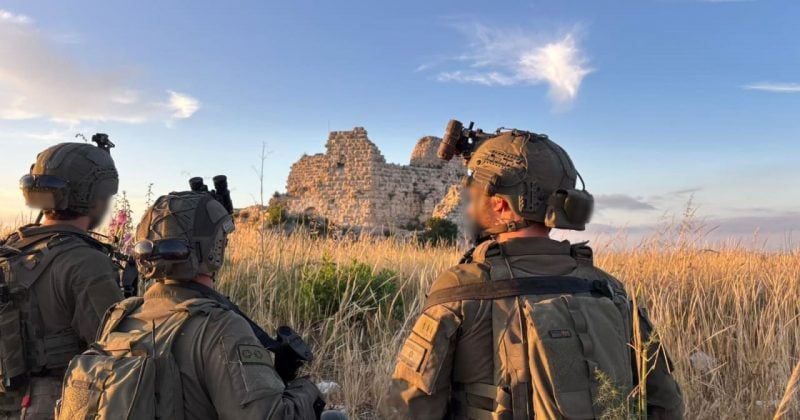
Israel and Lebanon agree on pilot zones for Hezbollah disarmament as IDF withdrawal looms within days

Israel and Lebanon agree on pilot zones for Hezbollah disarmament as IDF withdrawal looms within days

US-brokered Rome talks produce a concrete framework for southern Lebanon, and crypto markets are watching the geopolitical ripple effects closely.

Israel and Lebanon wrapped up US-brokered negotiations in Rome on Wednesday, emerging with what appears to be meaningful progress on one of the Middle East’s most intractable security problems. Both countries confirmed alignment on the need to dismantle and disarm Hezbollah, with a US official signaling that Israeli forces could begin pulling back from parts of southern Lebanon within days.

The agreement builds on a framework deal struck on June 26, which introduced the concept of “pilot zones.” Think of them as test cases for a broader peace mechanism: designated areas where Hezbollah disarms, the Lebanese army deploys, and the IDF withdraws in a coordinated, phased sequence. If the pilot works, it becomes the template for the rest of southern Lebanon.

What the Rome agreement actually entails

The core of the deal is deceptively straightforward. Hezbollah lays down its weapons in specific zones. The Lebanese Armed Forces move in to fill the security vacuum. And the IDF steps back, potentially starting within days rather than weeks.

Advertisement

An Israeli official told The Jerusalem Post that both sides are firmly aligned on the necessity of dismantling Hezbollah’s military infrastructure.

Why crypto traders should care about Levantine geopolitics

No tokens were mentioned in the Rome communique. No blockchain protocols are being deployed to track weapons decommissioning. This is pure geopolitics.

When Iran launched strikes against Israel in April 2024, Bitcoin dropped sharply within hours. When ceasefire talks gained traction, risk assets, including crypto, tended to recover.

Bitcoin and Ethereum have spent much of 2025 trading as macro assets rather than pure speculation vehicles. Institutional flows now respond to the same geopolitical signals that move treasuries and commodities.

What investors should actually watch

First, Hezbollah’s willingness to actually disarm. The group has historically resisted any attempt to strip its military capabilities, viewing them as essential to its political leverage and its relationship with Tehran.

Second, the timeline. “Within days” is an optimistic framing from US officials, and optimistic timelines in Middle Eastern diplomacy have a long track record of not materializing.

Third, Iran’s reaction. Hezbollah doesn’t operate in a vacuum. Tehran has significant influence over the group’s strategic decisions, and any disarmament deal that weakens Iran’s proxy network in Lebanon will face resistance from the Islamic Republic.

Disclosure: This article was edited by Editorial Team. For more information on how we create and review content, see our Editorial Policy.

Israel and Lebanon agree on pilot zones for Hezbollah disarmament as IDF withdrawal looms within days

Israel and Lebanon agree on pilot zones for Hezbollah disarmament as IDF withdrawal looms within days

US-brokered Rome talks produce a concrete framework for southern Lebanon, and crypto markets are watching the geopolitical ripple effects closely.

Israel and Lebanon wrapped up US-brokered negotiations in Rome on Wednesday, emerging with what appears to be meaningful progress on one of the Middle East’s most intractable security problems. Both countries confirmed alignment on the need to dismantle and disarm Hezbollah, with a US official signaling that Israeli forces could begin pulling back from parts of southern Lebanon within days.

The agreement builds on a framework deal struck on June 26, which introduced the concept of “pilot zones.” Think of them as test cases for a broader peace mechanism: designated areas where Hezbollah disarms, the Lebanese army deploys, and the IDF withdraws in a coordinated, phased sequence. If the pilot works, it becomes the template for the rest of southern Lebanon.

What the Rome agreement actually entails

The core of the deal is deceptively straightforward. Hezbollah lays down its weapons in specific zones. The Lebanese Armed Forces move in to fill the security vacuum. And the IDF steps back, potentially starting within days rather than weeks.

Advertisement

An Israeli official told The Jerusalem Post that both sides are firmly aligned on the necessity of dismantling Hezbollah’s military infrastructure.

Why crypto traders should care about Levantine geopolitics

No tokens were mentioned in the Rome communique. No blockchain protocols are being deployed to track weapons decommissioning. This is pure geopolitics.

When Iran launched strikes against Israel in April 2024, Bitcoin dropped sharply within hours. When ceasefire talks gained traction, risk assets, including crypto, tended to recover.

Bitcoin and Ethereum have spent much of 2025 trading as macro assets rather than pure speculation vehicles. Institutional flows now respond to the same geopolitical signals that move treasuries and commodities.

What investors should actually watch

First, Hezbollah’s willingness to actually disarm. The group has historically resisted any attempt to strip its military capabilities, viewing them as essential to its political leverage and its relationship with Tehran.

Second, the timeline. “Within days” is an optimistic framing from US officials, and optimistic timelines in Middle Eastern diplomacy have a long track record of not materializing.

Third, Iran’s reaction. Hezbollah doesn’t operate in a vacuum. Tehran has significant influence over the group’s strategic decisions, and any disarmament deal that weakens Iran’s proxy network in Lebanon will face resistance from the Islamic Republic.

Disclosure: This article was edited by Editorial Team. For more information on how we create and review content, see our Editorial Policy.