
Israel launches over 130 projectiles into Lebanon as US-Iran deal framework takes shape
The escalation sent ripples through oil markets and rattled crypto investors already navigating Bitcoin's slide below $80K.
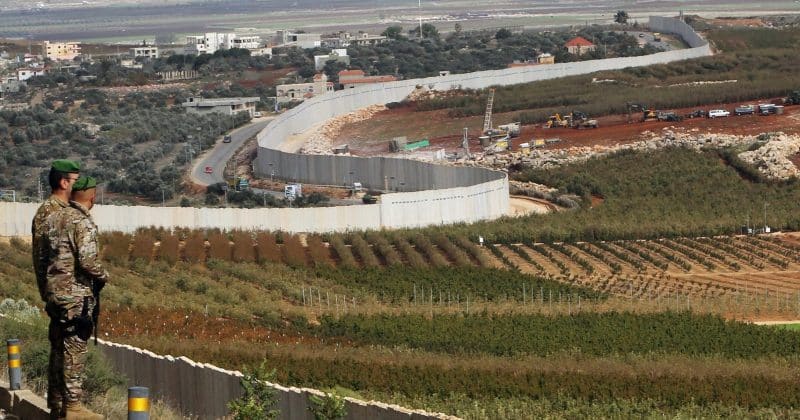
Israeli forces launched more than 130 projectiles into southern Lebanon on June 13-14, targeting over 100 Hezbollah sites across the country’s south and Beirut’s suburbs. The strikes came just as the US and Iran appeared to be closing in on a memorandum of understanding expected to be signed around June 15, creating one of the more dissonant geopolitical moments of 2026: a potential peace framework arriving alongside a fresh barrage of explosions.
UN Secretary-General António Guterres condemned the Israeli military operations, warning that they threaten to derail both the US-Iran negotiations and broader ceasefire efforts in the region.
Oil drops, stocks rally, Bitcoin wobbles
Brent crude oil prices fell by more than $3 per barrel following news of the US-Iran deal framework. The logic is straightforward: a potential agreement between Washington and Tehran reduces the perceived risk of supply disruptions in one of the world’s most critical energy corridors. Asian stock markets rallied on the same optimism.
Bitcoin, meanwhile, told a different story. The largest cryptocurrency by market cap was trading below $80,000 as the strikes escalated, reflecting the kind of risk-off behavior that has become increasingly familiar during geopolitical flare-ups.
The 2026 Lebanon war in context
The latest strikes are part of what has become known as the 2026 Lebanon war, a conflict that escalated dramatically in March 2026 and has since involved thousands of strikes and multiple failed ceasefire attempts.
The news moving money, markets, and the world—before your day starts.
Daily. Free. Join 34,000+ readers across crypto, finance, and policy.
US President Trump announced the potential framework deal with Iran, with a signing reportedly expected to coincide with June 15. The anticipated agreement is expected to include a ceasefire extension and address elements of Iran’s nuclear program. Whether the latest Israeli military action complicates those talks remains an open question, though Guterres’ public condemnation suggests the UN views the strikes as a direct threat to the diplomatic process.
What this means for crypto investors
If the US-Iran memorandum of understanding is signed and a ceasefire actually takes effect, the resulting reduction in geopolitical uncertainty could be meaningfully bullish for risk assets. Periods of de-escalation in the Middle East throughout 2026 have consistently correlated with short-term rallies in Bitcoin and major altcoins. The oil price reaction already hints at what a successful deal could look like across asset classes. A $3-plus drop in Brent crude suggests that markets are pricing in a meaningful probability of reduced tensions.
The ceasefire framework has failed multiple times since March 2026. Each failed attempt has been followed by renewed military operations and renewed selling pressure in crypto. Bitcoin trading below $80,000 during the latest escalation reflects this pattern.
One thing worth watching closely: how Bitcoin responds in the 48 to 72 hours following June 15. If the memorandum is signed and the ceasefire extends, a move back above $80,000 would signal that the market is pricing in genuine de-escalation. If the deal collapses or Israel continues operations regardless, expect the $80,000 level to function as resistance rather than support.