
Nexo Earn with Nexo
Israel strikes Iranian petrochemical complex, sending shockwaves through crypto and oil markets

Israel strikes Iranian petrochemical complex, sending shockwaves through crypto and oil markets

The first Israeli attack on an Iranian energy facility since the April ceasefire knocked out over 50 petrochemical units and injected fresh volatility into Bitcoin and oil-linked futures.

Israel launched airstrikes on Iran’s Mahshahr petrochemical complex on June 8, targeting a facility responsible for roughly 85% of the country’s petrochemical exports. The attack, which halted operations across more than 50 petrochemical units, marks the first Israeli strike on an Iranian energy site since the ceasefire established on April 8.

What happened at Mahshahr

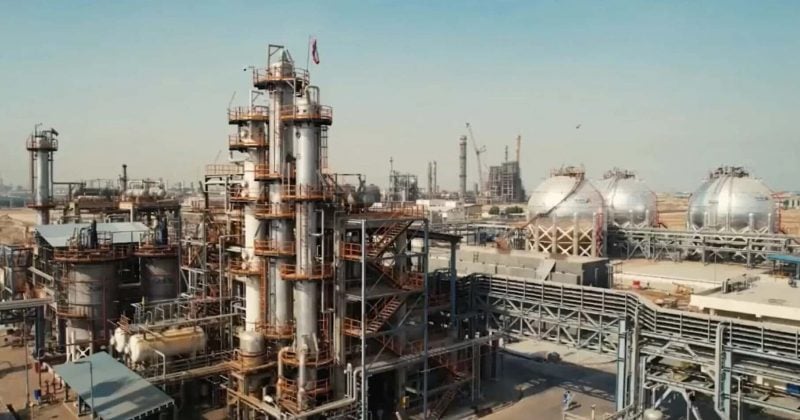
The Mahshahr petrochemical complex sits in Iran’s southwestern Khuzestan province. Israel’s government has reported extensive damage to the facility, claiming the complex has been rendered non-functional. Iranian media cited five people wounded in the strikes, with no major casualties reported among site personnel.

The projected economic toll runs into the billions. When a single facility handles 85% of a nation’s petrochemical exports, taking it offline doesn’t just dent the economy. It punches a hole through it.

Advertisement

Israel has justified the operation by accusing the Mahshahr complex of supplying materials used in the manufacture of missiles and explosives. The strikes came in direct response to Iranian ballistic missile attacks on Israel, continuing a tit-for-tat cycle that has defined the 2026 Iran conflict since it escalated dramatically with major strikes on February 28.

The broader conflict timeline

The April 8 ceasefire was meant to pause the cycle of strikes that began accelerating in late February. The 2026 conflict significantly intensified on February 28, when U.S. and Israeli forces initiated a series of coordinated attacks focused on Iranian military targets. Iran’s decision to fire ballistic missiles at Israel broke the fragile ceasefire.

U.S. President Donald Trump has been actively involved in diplomatic discussions, urging restraint from Israeli officials amid this volatile situation in a bid to avoid further escalation and protect broader regional stability.

What this means for crypto and commodities markets

During the early phases of the 2026 conflict in February and March, BTC exhibited significant price swings as traders repositioned around each new headline. Oil-linked perpetual futures on Hyperliquid have seen surging demand as traders look to hedge or speculate on energy supply disruptions.

Traditional oil futures were already pricing in a geopolitical risk premium from the broader 2026 conflict. The Mahshahr strike adds a concrete supply disruption to what had been mostly a fear-based premium. Fear is discountable. Actual destroyed infrastructure is not.

DeFi protocols offering commodity-linked derivatives are seeing increased activity precisely because they operate outside the traditional financial system’s response mechanisms. Hyperliquid’s oil futures volume surge is a real-time demonstration of that dynamic.

Disclosure: This article was edited by Editorial Team. For more information on how we create and review content, see our Editorial Policy.

Israel strikes Iranian petrochemical complex, sending shockwaves through crypto and oil markets

Israel strikes Iranian petrochemical complex, sending shockwaves through crypto and oil markets

The first Israeli attack on an Iranian energy facility since the April ceasefire knocked out over 50 petrochemical units and injected fresh volatility into Bitcoin and oil-linked futures.

Israel launched airstrikes on Iran’s Mahshahr petrochemical complex on June 8, targeting a facility responsible for roughly 85% of the country’s petrochemical exports. The attack, which halted operations across more than 50 petrochemical units, marks the first Israeli strike on an Iranian energy site since the ceasefire established on April 8.

What happened at Mahshahr

The Mahshahr petrochemical complex sits in Iran’s southwestern Khuzestan province. Israel’s government has reported extensive damage to the facility, claiming the complex has been rendered non-functional. Iranian media cited five people wounded in the strikes, with no major casualties reported among site personnel.

The projected economic toll runs into the billions. When a single facility handles 85% of a nation’s petrochemical exports, taking it offline doesn’t just dent the economy. It punches a hole through it.

Advertisement

Israel has justified the operation by accusing the Mahshahr complex of supplying materials used in the manufacture of missiles and explosives. The strikes came in direct response to Iranian ballistic missile attacks on Israel, continuing a tit-for-tat cycle that has defined the 2026 Iran conflict since it escalated dramatically with major strikes on February 28.

The broader conflict timeline

The April 8 ceasefire was meant to pause the cycle of strikes that began accelerating in late February. The 2026 conflict significantly intensified on February 28, when U.S. and Israeli forces initiated a series of coordinated attacks focused on Iranian military targets. Iran’s decision to fire ballistic missiles at Israel broke the fragile ceasefire.

U.S. President Donald Trump has been actively involved in diplomatic discussions, urging restraint from Israeli officials amid this volatile situation in a bid to avoid further escalation and protect broader regional stability.

What this means for crypto and commodities markets

During the early phases of the 2026 conflict in February and March, BTC exhibited significant price swings as traders repositioned around each new headline. Oil-linked perpetual futures on Hyperliquid have seen surging demand as traders look to hedge or speculate on energy supply disruptions.

Traditional oil futures were already pricing in a geopolitical risk premium from the broader 2026 conflict. The Mahshahr strike adds a concrete supply disruption to what had been mostly a fear-based premium. Fear is discountable. Actual destroyed infrastructure is not.

DeFi protocols offering commodity-linked derivatives are seeing increased activity precisely because they operate outside the traditional financial system’s response mechanisms. Hyperliquid’s oil futures volume surge is a real-time demonstration of that dynamic.

Disclosure: This article was edited by Editorial Team. For more information on how we create and review content, see our Editorial Policy.