
Israel expected to support regional peace deal with Iran, says US official
A 60-day memorandum of understanding between the US and Iran could reshape Middle Eastern geopolitics and extend into broader normalization efforts involving Saudi Arabia and Qatar
A senior US official has said Israel is expected to back a regional peace deal with Iran once it reviews the full terms of a proposed memorandum of understanding.
The emerging framework, negotiated between Washington and Tehran over multiple rounds since early 2026, centers on a 60-day MOU designed to extend a ceasefire, reopen the Strait of Hormuz, and launch structured dialogue on Iran’s nuclear program and its network of regional proxies.
What’s actually in the deal
The MOU’s core demands on Iran are substantial. Negotiators have outlined restrictions on nuclear development, including dismantling enrichment infrastructure, capping missile capabilities, and removing stockpiles of enriched uranium.
On the other side of the ledger, the Trump administration is reportedly pushing to fold this agreement into a much larger regional peace architecture. The vision includes expanded Abraham Accords signings, with Saudi Arabia and Qatar specifically named as targets for further engagement with Israel.
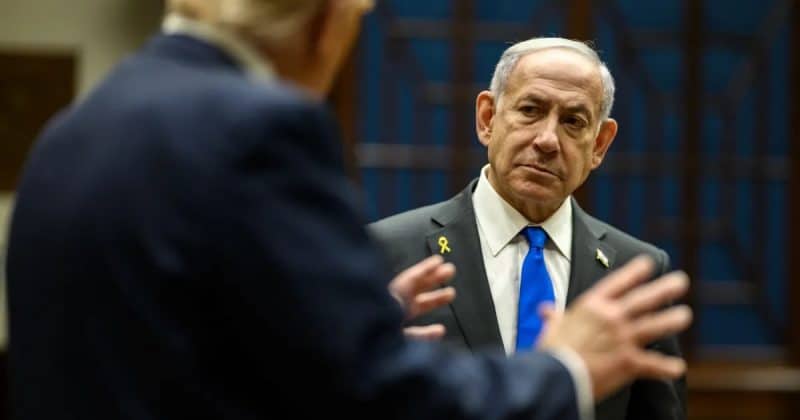
Israeli Prime Minister Netanyahu’s office confirmed a call with President Trump on June 11, during which Netanyahu expressed approval of assurances related to both the nuclear stipulations and conditions around proxy activities. The framing from Jerusalem has been cautiously supportive, with Israel’s interest reportedly tied to national security priorities and its own prior military actions against Iranian interests in the region.
The broader geopolitical chess match
The Strait of Hormuz component deserves special attention. Roughly 20% of the world’s oil passes through that narrow waterway. Reopening it as part of a diplomatic package rather than a military operation would be a significant win for global trade stability.
Challenges around timelines, sanctions relief, and enforcement mechanisms remain unresolved in the current framework. The 60-day window for further talks creates urgency, which can focus minds, but also creates a ticking clock that can blow up deals when negotiators feel rushed.
What this means for crypto and risk markets
Financial markets have already started pricing in cautious optimism. Bitcoin climbed above $63,000 around June 11-12 as tensions eased and multi-nation approvals began to emerge.
Investors watching this space should pay close attention to three specific indicators over the coming weeks: progress on the enrichment dismantlement timeline, any formal statements from Riyadh regarding normalization, and movement on sanctions relief mechanics.