
Japan’s balance-sheet reduction strategy echoes Kevin Warsh’s playbook for tighter money

Japan’s balance-sheet reduction strategy echoes Kevin Warsh’s playbook for tighter money

The Bank of Japan has shrunk its balance sheet by roughly 15.6% from its peak, and the ripple effects are heading toward crypto markets

There are two ways a central bank can tighten financial conditions. It can raise interest rates, which is the blunt instrument everyone watches. Or it can quietly reduce its balance sheet, draining liquidity from the system without touching the headline rate that dominates news cycles. The Bank of Japan has been doing the latter, and the numbers are starting to matter for global markets.

The BOJ’s total assets fell to approximately $3.97 trillion in Q2 2026, a drop of $146 billion from the prior quarter. That’s the largest single-quarter decline since the BOJ began its quantitative tightening program, and it puts the balance sheet roughly 15.6% below its peak from Q1 2024.

What the BOJ is actually doing

The BOJ has been reducing its purchases of Japanese Government Bonds, the primary fuel that inflated its balance sheet over the past decade of ultra-loose policy. In mid-2024, it started cutting those purchases by around 400 billion yen per quarter. In Q2 2026 alone, JGB holdings fell by $78 billion.

Advertisement

Tapering adjustments scheduled for fiscal 2026 would bring quarterly purchase reductions down to roughly 200 billion yen.

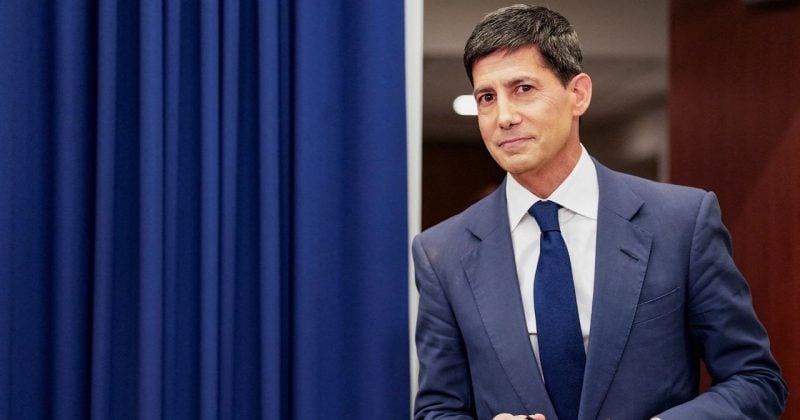
Kevin Warsh, a former Federal Reserve governor and one of the more vocal advocates for balance-sheet normalization, has argued that QT can do heavy lifting that rate hikes alone should not be asked to perform. There is no public record of the BOJ formally crediting Warsh’s framework, and central banks rarely cite outside economists by name when designing policy.

Why carry trades make this a global story

For years, investors borrowed cheaply in yen, converted those funds into higher-yielding assets elsewhere, and pocketed the spread. It worked as long as the yen stayed weak and Japanese rates stayed near zero. As the BOJ withdraws liquidity, financial conditions in Japan tighten, even without dramatic rate hikes. When the math on carry trades starts to look worse, investors unwind them, selling the assets they bought with borrowed yen and converting the proceeds back into yen to repay the loans.

The August 2024 carry trade unwind offered a preview of how violent that process can be. Global equities dropped sharply, and crypto markets were not spared. Bitcoin and other risk assets sold off as liquidity conditions tightened suddenly. That episode was partly triggered by a BOJ rate move, but balance-sheet reduction creates a slower, more persistent version of the same pressure.

What this means for crypto investors

The Federal Reserve has been running its own balance-sheet reduction program since 2022. The European Central Bank has also stepped back from large-scale asset purchases. The cumulative effect across major central banks is a structurally tighter global liquidity environment than existed during the 2020-2021 bull cycle that sent Bitcoin to its previous all-time highs.

If the yen strengthens meaningfully as the BOJ tightens, it reduces the attractiveness of borrowing in yen to fund positions in dollar-denominated assets, including crypto. A stronger yen is historically associated with risk-off conditions globally because yen strength signals carry trade unwinding, which means forced selling across asset classes.

Disclosure: This article was edited by Editorial Team. For more information on how we create and review content, see our Editorial Policy.

Japan’s balance-sheet reduction strategy echoes Kevin Warsh’s playbook for tighter money

Japan’s balance-sheet reduction strategy echoes Kevin Warsh’s playbook for tighter money

The Bank of Japan has shrunk its balance sheet by roughly 15.6% from its peak, and the ripple effects are heading toward crypto markets

There are two ways a central bank can tighten financial conditions. It can raise interest rates, which is the blunt instrument everyone watches. Or it can quietly reduce its balance sheet, draining liquidity from the system without touching the headline rate that dominates news cycles. The Bank of Japan has been doing the latter, and the numbers are starting to matter for global markets.

The BOJ’s total assets fell to approximately $3.97 trillion in Q2 2026, a drop of $146 billion from the prior quarter. That’s the largest single-quarter decline since the BOJ began its quantitative tightening program, and it puts the balance sheet roughly 15.6% below its peak from Q1 2024.

What the BOJ is actually doing

The BOJ has been reducing its purchases of Japanese Government Bonds, the primary fuel that inflated its balance sheet over the past decade of ultra-loose policy. In mid-2024, it started cutting those purchases by around 400 billion yen per quarter. In Q2 2026 alone, JGB holdings fell by $78 billion.

Advertisement

Tapering adjustments scheduled for fiscal 2026 would bring quarterly purchase reductions down to roughly 200 billion yen.

Kevin Warsh, a former Federal Reserve governor and one of the more vocal advocates for balance-sheet normalization, has argued that QT can do heavy lifting that rate hikes alone should not be asked to perform. There is no public record of the BOJ formally crediting Warsh’s framework, and central banks rarely cite outside economists by name when designing policy.

Why carry trades make this a global story

For years, investors borrowed cheaply in yen, converted those funds into higher-yielding assets elsewhere, and pocketed the spread. It worked as long as the yen stayed weak and Japanese rates stayed near zero. As the BOJ withdraws liquidity, financial conditions in Japan tighten, even without dramatic rate hikes. When the math on carry trades starts to look worse, investors unwind them, selling the assets they bought with borrowed yen and converting the proceeds back into yen to repay the loans.

The August 2024 carry trade unwind offered a preview of how violent that process can be. Global equities dropped sharply, and crypto markets were not spared. Bitcoin and other risk assets sold off as liquidity conditions tightened suddenly. That episode was partly triggered by a BOJ rate move, but balance-sheet reduction creates a slower, more persistent version of the same pressure.

What this means for crypto investors

The Federal Reserve has been running its own balance-sheet reduction program since 2022. The European Central Bank has also stepped back from large-scale asset purchases. The cumulative effect across major central banks is a structurally tighter global liquidity environment than existed during the 2020-2021 bull cycle that sent Bitcoin to its previous all-time highs.

If the yen strengthens meaningfully as the BOJ tightens, it reduces the attractiveness of borrowing in yen to fund positions in dollar-denominated assets, including crypto. A stronger yen is historically associated with risk-off conditions globally because yen strength signals carry trade unwinding, which means forced selling across asset classes.

Disclosure: This article was edited by Editorial Team. For more information on how we create and review content, see our Editorial Policy.