
Japan plans to overhaul management of its $1.3 trillion yen intervention war chest

Japan plans to overhaul management of its $1.3 trillion yen intervention war chest

A draft growth strategy calls for optimizing the foreign exchange fund special account after Tokyo burned through $73 billion defending the yen in a single month

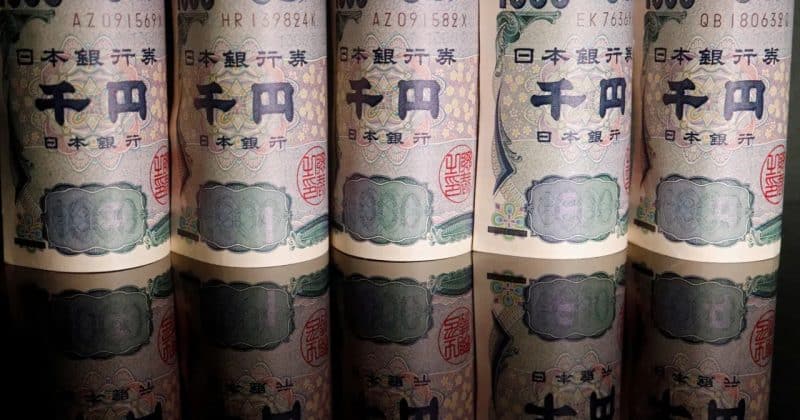
Japan just spent a record $73 billion propping up the yen. Now it wants to make sure the money left over works harder.

A draft growth strategy dated June 24, 2026, outlines plans to enhance management of the Foreign Exchange Fund Special Account, the government’s primary vehicle for currency intervention. The goal: squeeze better returns out of roughly $1.3 trillion in foreign exchange reserves while maintaining the firepower needed to defend the yen when markets get ugly.

The backstory: a $73 billion month

Between April 28 and May 27, 2026, Japan conducted its largest yen-buying intervention since 2024, spending approximately 11.735 trillion yen, or about $73 billion. The trigger was familiar. USD/JPY had blown past 160, a level that Tokyo has repeatedly treated as something close to a red line.

Advertisement

Japan’s foreign exchange reserves dropped 5.6% in May alone, a decline large enough to raise questions about sustainability.

What the draft strategy actually proposes

The draft growth strategy calls for evaluating the advantages of optimizing public sector assets, with the Foreign Exchange Fund Special Account singled out as a key target. The initiative is framed as part of a broader effort to support proactive fiscal policies while restoring public finances.

Some Japanese lawmakers have pushed the idea even further, proposing that foreign reserves be consolidated into a sovereign wealth fund alongside Bank of Japan ETF holdings and pension assets.

The diplomatic dimension

Finance Minister Satsuki Katayama and US Treasury Secretary Scott Bessent have been coordinating on foreign exchange policy, a signal that Tokyo wants to ensure its interventions don’t spark a diplomatic incident.

What this means for investors

For currency traders, the 160 level on USD/JPY remains dangerous territory. Tokyo has now demonstrated twice in two years that it’s willing to spend tens of billions to hold that line.

If the sovereign wealth fund concept gains traction, consolidating BOJ ETF holdings, pension assets, and foreign reserves into a single entity would create one of the largest investment vehicles on the planet.

Disclosure: This article was edited by Editorial Team. For more information on how we create and review content, see our Editorial Policy.

Japan plans to overhaul management of its $1.3 trillion yen intervention war chest

Japan plans to overhaul management of its $1.3 trillion yen intervention war chest

A draft growth strategy calls for optimizing the foreign exchange fund special account after Tokyo burned through $73 billion defending the yen in a single month

Japan just spent a record $73 billion propping up the yen. Now it wants to make sure the money left over works harder.

A draft growth strategy dated June 24, 2026, outlines plans to enhance management of the Foreign Exchange Fund Special Account, the government’s primary vehicle for currency intervention. The goal: squeeze better returns out of roughly $1.3 trillion in foreign exchange reserves while maintaining the firepower needed to defend the yen when markets get ugly.

The backstory: a $73 billion month

Between April 28 and May 27, 2026, Japan conducted its largest yen-buying intervention since 2024, spending approximately 11.735 trillion yen, or about $73 billion. The trigger was familiar. USD/JPY had blown past 160, a level that Tokyo has repeatedly treated as something close to a red line.

Advertisement

Japan’s foreign exchange reserves dropped 5.6% in May alone, a decline large enough to raise questions about sustainability.

What the draft strategy actually proposes

The draft growth strategy calls for evaluating the advantages of optimizing public sector assets, with the Foreign Exchange Fund Special Account singled out as a key target. The initiative is framed as part of a broader effort to support proactive fiscal policies while restoring public finances.

Some Japanese lawmakers have pushed the idea even further, proposing that foreign reserves be consolidated into a sovereign wealth fund alongside Bank of Japan ETF holdings and pension assets.

The diplomatic dimension

Finance Minister Satsuki Katayama and US Treasury Secretary Scott Bessent have been coordinating on foreign exchange policy, a signal that Tokyo wants to ensure its interventions don’t spark a diplomatic incident.

What this means for investors

For currency traders, the 160 level on USD/JPY remains dangerous territory. Tokyo has now demonstrated twice in two years that it’s willing to spend tens of billions to hold that line.

If the sovereign wealth fund concept gains traction, consolidating BOJ ETF holdings, pension assets, and foreign reserves into a single entity would create one of the largest investment vehicles on the planet.

Disclosure: This article was edited by Editorial Team. For more information on how we create and review content, see our Editorial Policy.