
Jude Bellingham’s World Cup heroics spark crypto frenzy as $JUDE meme token crashes 98%

Jude Bellingham’s World Cup heroics spark crypto frenzy as $JUDE meme token crashes 98%

England's star midfielder is dominating on the pitch while an unofficial meme token riding his fame collapses on the Solana blockchain

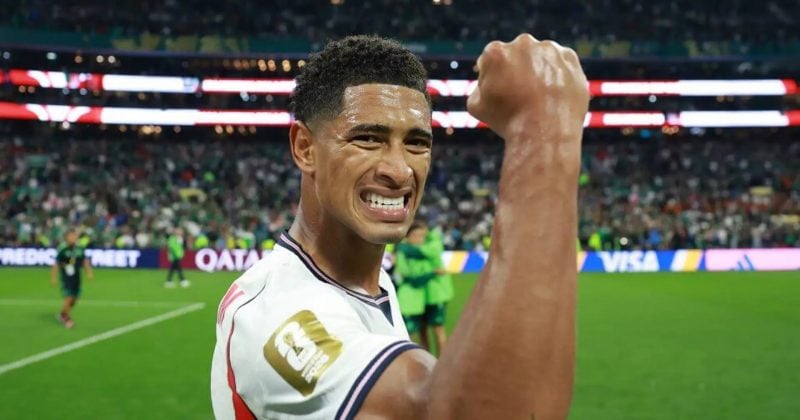
Jude Bellingham scored twice in three first-half minutes against Mexico on July 6, dragging England into the World Cup quarterfinals with a 3-2 victory. Off the pitch, an unofficial meme token bearing his name did the exact opposite of winning.

The $JUDE token, launched on Solana to capitalize on Bellingham’s surging fame during the 2026 FIFA World Cup, has cratered roughly 98% from its peak. It’s the latest case study in why attaching a speculative asset to someone’s highlight reel is, at best, a coin flip. Usually worse.

The on-field story that launched a thousand trades

Bellingham’s brace against Mexico was the kind of performance that turns casual fans into believers. Two goals in a three-minute span during the first half effectively buried Mexico’s hopes and sent England through to the quarterfinals.

Advertisement

Bellingham is now one yellow card away from suspension. That single booking could sideline England’s most dangerous player at the worst possible time. Circular betting interest around Bellingham has surged, and crypto markets followed suit.

The $JUDE token and the anatomy of a 98% crash

The $JUDE meme token appeared on Solana as Bellingham’s World Cup profile exploded. No official endorsement. No strategic utility. No connection to Bellingham, Real Madrid, or the England national team whatsoever.

The token lost approximately 98% of its value. The playbook is familiar: famous person does something noteworthy, an unaffiliated token launches, early buyers pump it, latecomers get obliterated.

FIFA’s growing crypto footprint makes this more complicated

FIFA itself has been actively expanding into the crypto space through partnerships with companies like Chiliz, Kraken, and Avalanche. Yet England currently lacks an official fan or supporter token, while several other national teams and clubs have launched their own. When there’s no sanctioned product in the market, the unsanctioned ones fill the void, usually with less consumer protection and more volatility.

What this means for investors

For anyone considering exposure to sports-adjacent crypto assets, the distinction between official and unofficial matters enormously. Tokens backed by FIFA partnerships or launched through established platforms like Chiliz carry their own risks, but they at least have some structural foundation. Unnamed tokens on Solana riding a midfielder’s goal-scoring form do not.

A footballer’s ability to score two goals in three minutes tells you absolutely nothing about whether a token with his name on it is worth buying. One is elite talent validated by the biggest stage in sports. The other is a Solana contract that lost 98% of its value.

Disclosure: This article was edited by Editorial Team. For more information on how we create and review content, see our Editorial Policy.

Jude Bellingham’s World Cup heroics spark crypto frenzy as $JUDE meme token crashes 98%

Jude Bellingham’s World Cup heroics spark crypto frenzy as $JUDE meme token crashes 98%

England's star midfielder is dominating on the pitch while an unofficial meme token riding his fame collapses on the Solana blockchain

Jude Bellingham scored twice in three first-half minutes against Mexico on July 6, dragging England into the World Cup quarterfinals with a 3-2 victory. Off the pitch, an unofficial meme token bearing his name did the exact opposite of winning.

The $JUDE token, launched on Solana to capitalize on Bellingham’s surging fame during the 2026 FIFA World Cup, has cratered roughly 98% from its peak. It’s the latest case study in why attaching a speculative asset to someone’s highlight reel is, at best, a coin flip. Usually worse.

The on-field story that launched a thousand trades

Bellingham’s brace against Mexico was the kind of performance that turns casual fans into believers. Two goals in a three-minute span during the first half effectively buried Mexico’s hopes and sent England through to the quarterfinals.

Advertisement

Bellingham is now one yellow card away from suspension. That single booking could sideline England’s most dangerous player at the worst possible time. Circular betting interest around Bellingham has surged, and crypto markets followed suit.

The $JUDE token and the anatomy of a 98% crash

The $JUDE meme token appeared on Solana as Bellingham’s World Cup profile exploded. No official endorsement. No strategic utility. No connection to Bellingham, Real Madrid, or the England national team whatsoever.

The token lost approximately 98% of its value. The playbook is familiar: famous person does something noteworthy, an unaffiliated token launches, early buyers pump it, latecomers get obliterated.

FIFA’s growing crypto footprint makes this more complicated

FIFA itself has been actively expanding into the crypto space through partnerships with companies like Chiliz, Kraken, and Avalanche. Yet England currently lacks an official fan or supporter token, while several other national teams and clubs have launched their own. When there’s no sanctioned product in the market, the unsanctioned ones fill the void, usually with less consumer protection and more volatility.

What this means for investors

For anyone considering exposure to sports-adjacent crypto assets, the distinction between official and unofficial matters enormously. Tokens backed by FIFA partnerships or launched through established platforms like Chiliz carry their own risks, but they at least have some structural foundation. Unnamed tokens on Solana riding a midfielder’s goal-scoring form do not.

A footballer’s ability to score two goals in three minutes tells you absolutely nothing about whether a token with his name on it is worth buying. One is elite talent validated by the biggest stage in sports. The other is a Solana contract that lost 98% of its value.

Disclosure: This article was edited by Editorial Team. For more information on how we create and review content, see our Editorial Policy.