
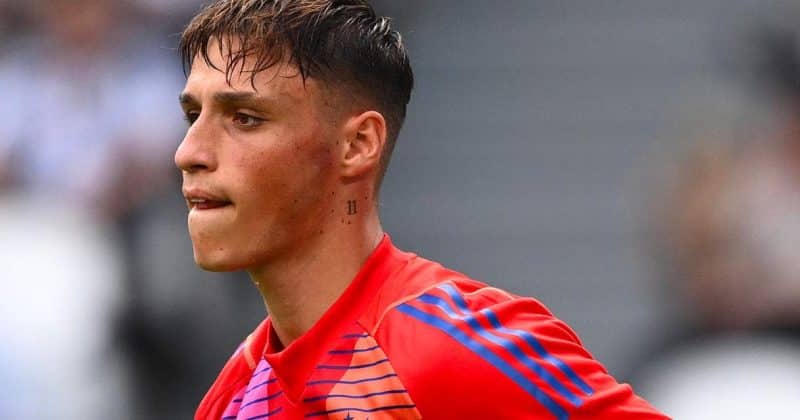
Juventus sells Giovanni Daffara to Parma for €6M plus 10% sell-on clause

Juventus sells Giovanni Daffara to Parma for €6M plus 10% sell-on clause

The Serie A club turned a €1M buy-back into a €6M sale in weeks, keeping future upside through a sell-on clause

Juventus just pulled off a tidy piece of transfer business. The Italian giants bought back goalkeeper Giovanni Daffara for roughly €1 million, then flipped him to Parma for €6 million, all while securing a 10% sell-on clause that keeps them plugged into any future upside.

The mechanics of the deal

Here’s how the chain of transactions worked. Daffara, a product of Juventus’ academy, was loaned to Avellino for the 2025-26 season. Avellino, competing in Serie B, exercised a purchase option on the young goalkeeper for €500K. Juventus then activated its buy-back clause around June 21, 2026, paying approximately €1 million to bring Daffara back under their control.

Advertisement

With Daffara back on their books, Juventus moved quickly to negotiate a permanent transfer to Parma. The agreed fee: €6 million, plus a 10% sell-on clause. That clause means if Parma eventually sells Daffara for, say, €30 million, Juventus would pocket an additional €3 million on top of the €6 million they’ve already collected.

Born on December 5, 2004, Daffara is just 21 years old. He made 25 appearances during his loan spell at Avellino. Multiple clubs reportedly showed interest in Daffara, but most were only willing to pursue loan arrangements. Parma distinguished itself by committing to a permanent deal, which is precisely why they landed the player.

Juventus’ buy-back playbook

The numbers here tell the story cleanly. Avellino bought Daffara for €500K. Juventus bought him back for roughly €1 million. Then Juventus sold him for €6 million. The net profit on the transaction is approximately €5 million, and that’s before accounting for any future revenue from the sell-on clause.

What this means for the broader market

This deal is entirely traditional football finance. No tokens, no fan engagement platforms, no NFTs attached to the transfer. Buy-back clauses and sell-on percentages function remarkably like options contracts and revenue-sharing agreements in other markets. Juventus essentially held a call option on Daffara, exercised it when the intrinsic value exceeded the strike price, and then monetized the position while retaining partial exposure through the sell-on clause.

For Parma, they’re acquiring a 21-year-old goalkeeper with Serie B experience at a price point that could look like a bargain if he develops into a Serie A starter. For Juventus, a €5 million net gain from a player who wasn’t in their first-team plans improves their balance sheet immediately. Player sales are a critical revenue line for Italian clubs navigating Financial Fair Play regulations. The sell-on clause adds asymmetric upside: if Daffara moves to a bigger club for a premium fee, Juventus captures 10% of that transaction without having invested any additional resources in his development.

Disclosure: This article was edited by Editorial Team. For more information on how we create and review content, see our Editorial Policy.

Juventus sells Giovanni Daffara to Parma for €6M plus 10% sell-on clause

Juventus sells Giovanni Daffara to Parma for €6M plus 10% sell-on clause

The Serie A club turned a €1M buy-back into a €6M sale in weeks, keeping future upside through a sell-on clause

Juventus just pulled off a tidy piece of transfer business. The Italian giants bought back goalkeeper Giovanni Daffara for roughly €1 million, then flipped him to Parma for €6 million, all while securing a 10% sell-on clause that keeps them plugged into any future upside.

The mechanics of the deal

Here’s how the chain of transactions worked. Daffara, a product of Juventus’ academy, was loaned to Avellino for the 2025-26 season. Avellino, competing in Serie B, exercised a purchase option on the young goalkeeper for €500K. Juventus then activated its buy-back clause around June 21, 2026, paying approximately €1 million to bring Daffara back under their control.

Advertisement

With Daffara back on their books, Juventus moved quickly to negotiate a permanent transfer to Parma. The agreed fee: €6 million, plus a 10% sell-on clause. That clause means if Parma eventually sells Daffara for, say, €30 million, Juventus would pocket an additional €3 million on top of the €6 million they’ve already collected.

Born on December 5, 2004, Daffara is just 21 years old. He made 25 appearances during his loan spell at Avellino. Multiple clubs reportedly showed interest in Daffara, but most were only willing to pursue loan arrangements. Parma distinguished itself by committing to a permanent deal, which is precisely why they landed the player.

Juventus’ buy-back playbook

The numbers here tell the story cleanly. Avellino bought Daffara for €500K. Juventus bought him back for roughly €1 million. Then Juventus sold him for €6 million. The net profit on the transaction is approximately €5 million, and that’s before accounting for any future revenue from the sell-on clause.

What this means for the broader market

This deal is entirely traditional football finance. No tokens, no fan engagement platforms, no NFTs attached to the transfer. Buy-back clauses and sell-on percentages function remarkably like options contracts and revenue-sharing agreements in other markets. Juventus essentially held a call option on Daffara, exercised it when the intrinsic value exceeded the strike price, and then monetized the position while retaining partial exposure through the sell-on clause.

For Parma, they’re acquiring a 21-year-old goalkeeper with Serie B experience at a price point that could look like a bargain if he develops into a Serie A starter. For Juventus, a €5 million net gain from a player who wasn’t in their first-team plans improves their balance sheet immediately. Player sales are a critical revenue line for Italian clubs navigating Financial Fair Play regulations. The sell-on clause adds asymmetric upside: if Daffara moves to a bigger club for a premium fee, Juventus captures 10% of that transaction without having invested any additional resources in his development.

Disclosure: This article was edited by Editorial Team. For more information on how we create and review content, see our Editorial Policy.