
Nexo Earn with Nexo
Keel Infrastructure reports Q1 2026 net loss of $145M, shifts focus to AI and HPC development

Keel Infrastructure reports Q1 2026 net loss of $145M, shifts focus to AI and HPC development

The former Bitcoin miner formerly known as Bitfarms posted a brutal quarter as it bets big on a 2.2 GW AI infrastructure pipeline across North America.

Keel Infrastructure, the company that used to go by Bitfarms, just posted a $145 million net loss for the first quarter of 2026. That’s the kind of number that makes shareholders reach for the antacids.

The loss arrived alongside a 23% year-over-year revenue decline, with Q1 revenue landing at $37 million compared to $48 million in the same period last year. The company is in the middle of a sweeping transformation: abandoning Bitcoin mining in favor of artificial intelligence and high-performance computing infrastructure.

What went wrong this quarter

A $41 million decrease in the fair value of digital assets contributed significantly to the red ink. The company also absorbed $22 million in costs related to exiting a credit facility. And then there were the expenses tied to pulling out of Latin American operations entirely, including the sale of its Paso Pe site in Paraguay on April 21, 2026.

Adjusted EBITDA came in at negative $17 million for the quarter. On a per-share basis, the loss worked out to $0.21, missing analyst expectations by roughly 400%.

Between January 1 and May 8, 2026, the company sold 269 Bitcoin for approximately $20 million.

The pivot from pickaxes to processors

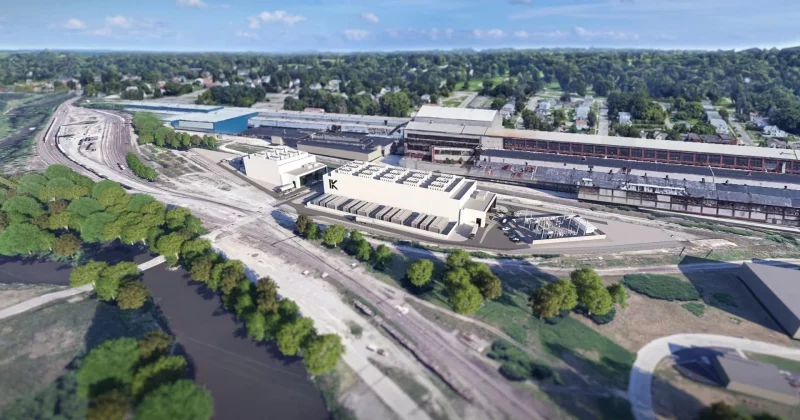
The company has assembled a 2.2 gigawatt HPC and AI development pipeline across North America, concentrated in Pennsylvania, Washington, and Québec.

The strategic transformation began in 2025, when the company began shifting its operational base to the United States and initiated the rebranding process. The name change from Bitfarms to Keel Infrastructure was the final symbolic step.

“Our rebranding to Keel Infrastructure marks the completion of a nearly two-year strategic transformation,” CEO Ben Gagnon said.

Gagnon has expressed optimism about advancing key HPC and AI project sites through the remainder of 2026.

Why the industry is making this move

The 2024 Bitcoin halving sliced block rewards in half, compressing margins for miners across the board. Former Bitcoin miners are increasingly repurposing their infrastructure to chase AI compute demand, and Keel is arguably the most aggressive example, having essentially bet the entire company on the transition.

The company’s liquidity position provides some comfort here. As of May 8, 2026, Keel reported $533 million in total liquidity, including $197 million in unencumbered Bitcoin.

The sale of the Paraguay site and the broader Latin American withdrawal signal that Keel is consolidating its geographic footprint on North American HPC development.

What this means for investors

A $533 million liquidity cushion buys time, and much of the $145 million loss stems from one-time costs associated with unwinding the old business model.

A 23% year-over-year revenue decline reflects the drawdown of mining operations without HPC revenue yet filling the gap. Investors are essentially being asked to accept near-term losses in exchange for future AI-driven revenue streams that haven’t materialized yet.

For crypto-focused investors, Keel’s $197 million in unencumbered Bitcoin represents significant ongoing exposure to Bitcoin’s price, even as it walks away from mining it. A sustained Bitcoin rally could improve the balance sheet; a downturn could accelerate the need to liquidate holdings to fund HPC development.

Disclosure: This article was edited by Editorial Team. For more information on how we create and review content, see our Editorial Policy.

Keel Infrastructure reports Q1 2026 net loss of $145M, shifts focus to AI and HPC development

Keel Infrastructure reports Q1 2026 net loss of $145M, shifts focus to AI and HPC development

The former Bitcoin miner formerly known as Bitfarms posted a brutal quarter as it bets big on a 2.2 GW AI infrastructure pipeline across North America.

Keel Infrastructure, the company that used to go by Bitfarms, just posted a $145 million net loss for the first quarter of 2026. That’s the kind of number that makes shareholders reach for the antacids.

The loss arrived alongside a 23% year-over-year revenue decline, with Q1 revenue landing at $37 million compared to $48 million in the same period last year. The company is in the middle of a sweeping transformation: abandoning Bitcoin mining in favor of artificial intelligence and high-performance computing infrastructure.

What went wrong this quarter

A $41 million decrease in the fair value of digital assets contributed significantly to the red ink. The company also absorbed $22 million in costs related to exiting a credit facility. And then there were the expenses tied to pulling out of Latin American operations entirely, including the sale of its Paso Pe site in Paraguay on April 21, 2026.

Adjusted EBITDA came in at negative $17 million for the quarter. On a per-share basis, the loss worked out to $0.21, missing analyst expectations by roughly 400%.

Between January 1 and May 8, 2026, the company sold 269 Bitcoin for approximately $20 million.

The pivot from pickaxes to processors

The company has assembled a 2.2 gigawatt HPC and AI development pipeline across North America, concentrated in Pennsylvania, Washington, and Québec.

The strategic transformation began in 2025, when the company began shifting its operational base to the United States and initiated the rebranding process. The name change from Bitfarms to Keel Infrastructure was the final symbolic step.

“Our rebranding to Keel Infrastructure marks the completion of a nearly two-year strategic transformation,” CEO Ben Gagnon said.

Gagnon has expressed optimism about advancing key HPC and AI project sites through the remainder of 2026.

Why the industry is making this move

The 2024 Bitcoin halving sliced block rewards in half, compressing margins for miners across the board. Former Bitcoin miners are increasingly repurposing their infrastructure to chase AI compute demand, and Keel is arguably the most aggressive example, having essentially bet the entire company on the transition.

The company’s liquidity position provides some comfort here. As of May 8, 2026, Keel reported $533 million in total liquidity, including $197 million in unencumbered Bitcoin.

The sale of the Paraguay site and the broader Latin American withdrawal signal that Keel is consolidating its geographic footprint on North American HPC development.

What this means for investors

A $533 million liquidity cushion buys time, and much of the $145 million loss stems from one-time costs associated with unwinding the old business model.

A 23% year-over-year revenue decline reflects the drawdown of mining operations without HPC revenue yet filling the gap. Investors are essentially being asked to accept near-term losses in exchange for future AI-driven revenue streams that haven’t materialized yet.

For crypto-focused investors, Keel’s $197 million in unencumbered Bitcoin represents significant ongoing exposure to Bitcoin’s price, even as it walks away from mining it. A sustained Bitcoin rally could improve the balance sheet; a downturn could accelerate the need to liquidate holdings to fund HPC development.

Disclosure: This article was edited by Editorial Team. For more information on how we create and review content, see our Editorial Policy.