
Nexo Earn with Nexo
Kevin Warsh navigates Fed autonomy amid Trump’s rate demands

Kevin Warsh navigates Fed autonomy amid Trump’s rate demands

The new Fed chair faces a balancing act between presidential pressure for lower rates and market fears of persistent inflation at 3.8%

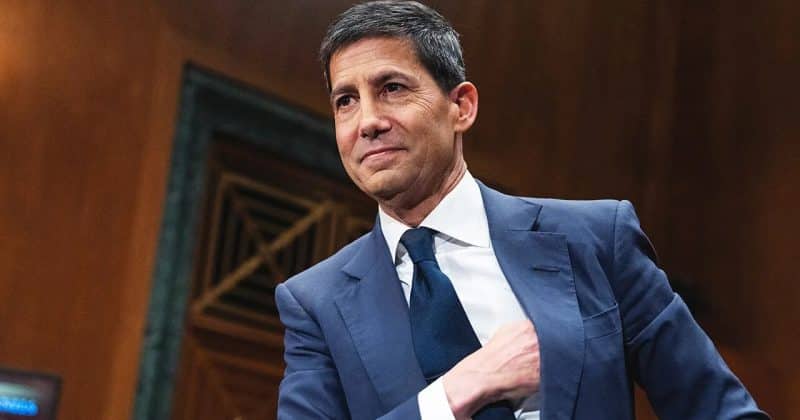
Kevin Warsh sat before the Senate Banking Committee on April 21 and did what every Fed Chair nominee eventually must: convince lawmakers he won’t take orders from the president who picked him.

Trump nominated Warsh on January 30, 2026, with the formal nomination reaching the Senate on March 4. The confirmation vote landed on May 13, passing 54-45. Warsh was sworn in on May 22, succeeding Jerome Powell.

During the hearing itself, Warsh emphasized the central bank’s autonomy in setting rates. He also signaled a willingness to reform the Fed’s inflation framework and adopt more flexible communication strategies, all in the name of price stability.

Advertisement

Warsh’s broader vision for the Fed appears to involve narrowing its mandate. He’s skeptical of Central Bank Digital Currencies, stating his opposition during confirmation. And he’s committed to data-driven policy decisions.

The inflation problem that won’t quit

Inflation sits at 3.8% year-over-year. That’s nearly double the Fed’s 2% target. CME FedWatch data now prices in a possible 25 basis point rate hike by year-end, a stark reversal from earlier expectations of cuts.

Warsh’s first FOMC rate decision meeting is set for mid-June 2026.

What this means for crypto investors

Warsh has described Bitcoin as a reliable store of value. But his personal views on Bitcoin and his policy actions are two very different things. A hawkish stance on inflation, if it translates into tighter monetary conditions, tends to put downward pressure on risk assets.

Bitcoin has already faced price pressures as market expectations shifted from rate cuts to potential hikes.

His opposition to CBDCs is worth watching too. A Fed chair who’s explicitly against a digital dollar could inadvertently create more space for private crypto assets to operate without the competitive threat of a government-backed alternative.

Disclosure: This article was edited by Editorial Team. For more information on how we create and review content, see our Editorial Policy.

Kevin Warsh navigates Fed autonomy amid Trump’s rate demands

Kevin Warsh navigates Fed autonomy amid Trump’s rate demands

The new Fed chair faces a balancing act between presidential pressure for lower rates and market fears of persistent inflation at 3.8%

Kevin Warsh sat before the Senate Banking Committee on April 21 and did what every Fed Chair nominee eventually must: convince lawmakers he won’t take orders from the president who picked him.

Trump nominated Warsh on January 30, 2026, with the formal nomination reaching the Senate on March 4. The confirmation vote landed on May 13, passing 54-45. Warsh was sworn in on May 22, succeeding Jerome Powell.

During the hearing itself, Warsh emphasized the central bank’s autonomy in setting rates. He also signaled a willingness to reform the Fed’s inflation framework and adopt more flexible communication strategies, all in the name of price stability.

Advertisement

Warsh’s broader vision for the Fed appears to involve narrowing its mandate. He’s skeptical of Central Bank Digital Currencies, stating his opposition during confirmation. And he’s committed to data-driven policy decisions.

The inflation problem that won’t quit

Inflation sits at 3.8% year-over-year. That’s nearly double the Fed’s 2% target. CME FedWatch data now prices in a possible 25 basis point rate hike by year-end, a stark reversal from earlier expectations of cuts.

Warsh’s first FOMC rate decision meeting is set for mid-June 2026.

What this means for crypto investors

Warsh has described Bitcoin as a reliable store of value. But his personal views on Bitcoin and his policy actions are two very different things. A hawkish stance on inflation, if it translates into tighter monetary conditions, tends to put downward pressure on risk assets.

Bitcoin has already faced price pressures as market expectations shifted from rate cuts to potential hikes.

His opposition to CBDCs is worth watching too. A Fed chair who’s explicitly against a digital dollar could inadvertently create more space for private crypto assets to operate without the competitive threat of a government-backed alternative.

Disclosure: This article was edited by Editorial Team. For more information on how we create and review content, see our Editorial Policy.