
Nexo Earn with Nexo
Federal Reserve swears in Kevin Warsh as chair amid rising inflation and crypto uncertainty

Federal Reserve swears in Kevin Warsh as chair amid rising inflation and crypto uncertainty

The new Fed chair takes the helm with significant digital asset investments on his disclosure forms and Bitcoin hovering near $77K.

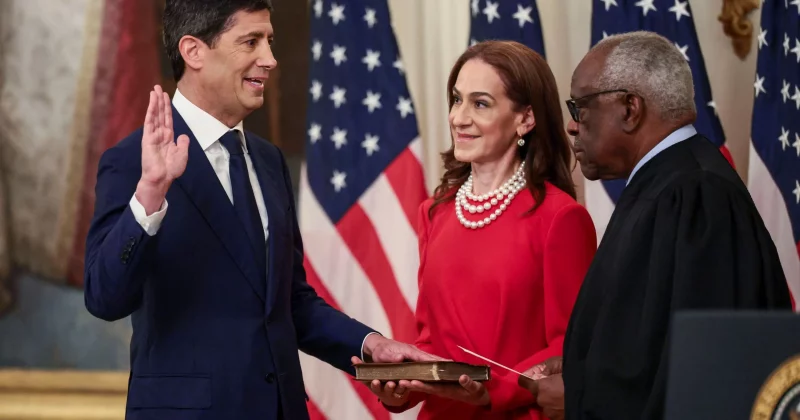
Kevin Warsh officially became the 17th chair of the Federal Reserve on May 22, 2026, sworn in during a White House ceremony led by Supreme Court Justice Clarence Thomas. It was the first time a Fed chair has taken the oath at the White House since Alan Greenspan did so back in 1987.

Warsh succeeds Jerome Powell, who held the position since February 2018 and navigated the institution through a pandemic, an inflation crisis, and a historic rate-hiking cycle.

Advertisement

A narrow confirmation and a long list of problems

The Senate confirmed Warsh on May 13, 2026, with a 54-45 party-line vote. Former President Donald Trump nominated Warsh back in January.

Warsh inherits a genuinely difficult economic environment. Rising inflation is being fueled by a confluence of forces: the ongoing Iran war, escalating tariffs, and gasoline prices that have sent consumer sentiment plummeting to record lows.

Warsh is no stranger to the Fed. He previously served as a governor from 2006 to 2011, a tenure that spanned the global financial crisis. During his confirmation process, he pledged to lead a “reform-oriented” Federal Reserve and emphasized both independence and transparency. He also expressed frustration with what he characterized as static economic models at the institution.

The crypto connection

Warsh’s financial disclosures revealed significant investments across the blockchain and digital asset sectors, covering decentralized finance, Bitcoin infrastructure, and various blockchain protocols. He has pledged to divest from all of these holdings.

Bitcoin was trading near $77,000 on the day of Warsh’s swearing-in. That price point reflected downward pressure and a cautious market mood amid prevailing uncertainty about what Warsh’s leadership would mean for monetary policy and risk assets.

Disclosure: This article was edited by Editorial Team. For more information on how we create and review content, see our Editorial Policy.

Federal Reserve swears in Kevin Warsh as chair amid rising inflation and crypto uncertainty

Federal Reserve swears in Kevin Warsh as chair amid rising inflation and crypto uncertainty

The new Fed chair takes the helm with significant digital asset investments on his disclosure forms and Bitcoin hovering near $77K.

Kevin Warsh officially became the 17th chair of the Federal Reserve on May 22, 2026, sworn in during a White House ceremony led by Supreme Court Justice Clarence Thomas. It was the first time a Fed chair has taken the oath at the White House since Alan Greenspan did so back in 1987.

Warsh succeeds Jerome Powell, who held the position since February 2018 and navigated the institution through a pandemic, an inflation crisis, and a historic rate-hiking cycle.

Advertisement

A narrow confirmation and a long list of problems

The Senate confirmed Warsh on May 13, 2026, with a 54-45 party-line vote. Former President Donald Trump nominated Warsh back in January.

Warsh inherits a genuinely difficult economic environment. Rising inflation is being fueled by a confluence of forces: the ongoing Iran war, escalating tariffs, and gasoline prices that have sent consumer sentiment plummeting to record lows.

Warsh is no stranger to the Fed. He previously served as a governor from 2006 to 2011, a tenure that spanned the global financial crisis. During his confirmation process, he pledged to lead a “reform-oriented” Federal Reserve and emphasized both independence and transparency. He also expressed frustration with what he characterized as static economic models at the institution.

The crypto connection

Warsh’s financial disclosures revealed significant investments across the blockchain and digital asset sectors, covering decentralized finance, Bitcoin infrastructure, and various blockchain protocols. He has pledged to divest from all of these holdings.

Bitcoin was trading near $77,000 on the day of Warsh’s swearing-in. That price point reflected downward pressure and a cautious market mood amid prevailing uncertainty about what Warsh’s leadership would mean for monetary policy and risk assets.

Disclosure: This article was edited by Editorial Team. For more information on how we create and review content, see our Editorial Policy.