
Nexo Earn with Nexo
Kevin Warsh begins Fed chair role amid soaring inflation challenges

Kevin Warsh begins Fed chair role amid soaring inflation challenges

The new Federal Reserve chair brings a crypto-friendly background and a mandate for independence into one of the most politically charged economic environments in recent memory.

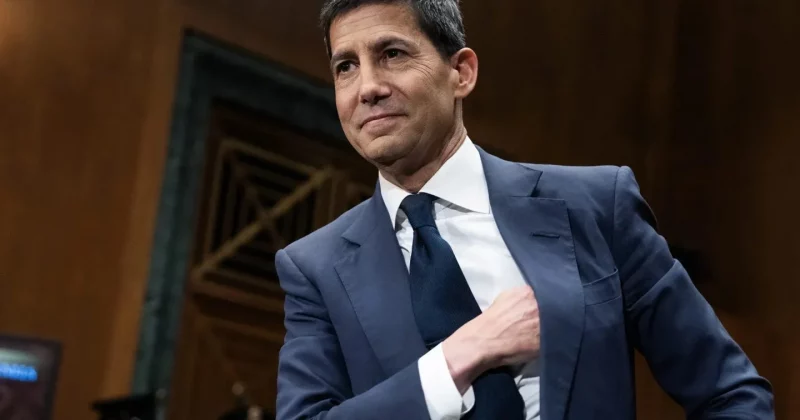
Kevin Warsh was officially sworn in as chair of the Federal Reserve on May 22, 2026. The ceremony was hosted at the White House by President Donald Trump.

Trump publicly declared his desire for Warsh to exercise complete independence in his role during the swearing-in ceremony.

A divided confirmation, a complex portfolio

Warsh’s Senate confirmation on May 13, 2026, passed with a 54-45 vote.

Advertisement

The new chair isn’t a stranger to the Federal Reserve. He served as a Fed governor from 2006 to 2011, a period that included navigating the global financial crisis.

Warsh disclosed ownership stakes in over a dozen blockchain and digital asset companies prior to his confirmation. He has committed to divesting those holdings to avoid conflicts of interest.

Bitcoin doesn’t make him nervous

Warsh has described Bitcoin as something that doesn’t make him nervous, framing it as increasingly integrated into the US financial system. He has positioned cryptocurrencies as integral to the financial services industry.

The inflation problem isn’t going anywhere

The Federal Reserve operates under a dual mandate, promoting price stability and maximum employment. Warsh inherits an environment where inflationary pressures remain elevated.

What this means for crypto investors

Warsh disclosed ownership in over a dozen blockchain firms prior to taking office and has publicly described digital assets as integral to finance. Market participants were cautious during the confirmation process, with softer asset prices reflecting uncertainty about how Warsh’s independence rhetoric would translate into actual policy.

Disclosure: This article was edited by Editorial Team. For more information on how we create and review content, see our Editorial Policy.

Kevin Warsh begins Fed chair role amid soaring inflation challenges

Kevin Warsh begins Fed chair role amid soaring inflation challenges

The new Federal Reserve chair brings a crypto-friendly background and a mandate for independence into one of the most politically charged economic environments in recent memory.

Kevin Warsh was officially sworn in as chair of the Federal Reserve on May 22, 2026. The ceremony was hosted at the White House by President Donald Trump.

Trump publicly declared his desire for Warsh to exercise complete independence in his role during the swearing-in ceremony.

A divided confirmation, a complex portfolio

Warsh’s Senate confirmation on May 13, 2026, passed with a 54-45 vote.

Advertisement

The new chair isn’t a stranger to the Federal Reserve. He served as a Fed governor from 2006 to 2011, a period that included navigating the global financial crisis.

Warsh disclosed ownership stakes in over a dozen blockchain and digital asset companies prior to his confirmation. He has committed to divesting those holdings to avoid conflicts of interest.

Bitcoin doesn’t make him nervous

Warsh has described Bitcoin as something that doesn’t make him nervous, framing it as increasingly integrated into the US financial system. He has positioned cryptocurrencies as integral to the financial services industry.

The inflation problem isn’t going anywhere

The Federal Reserve operates under a dual mandate, promoting price stability and maximum employment. Warsh inherits an environment where inflationary pressures remain elevated.

What this means for crypto investors

Warsh disclosed ownership in over a dozen blockchain firms prior to taking office and has publicly described digital assets as integral to finance. Market participants were cautious during the confirmation process, with softer asset prices reflecting uncertainty about how Warsh’s independence rhetoric would translate into actual policy.

Disclosure: This article was edited by Editorial Team. For more information on how we create and review content, see our Editorial Policy.