
Nexo Earn with Nexo
Kevin Warsh’s debut Fed press conference may outline inflation strategy

Kevin Warsh’s debut Fed press conference may outline inflation strategy

The new Fed chair's hawkish stance on inflation and plans to shrink the balance sheet could reshape risk asset markets, including crypto

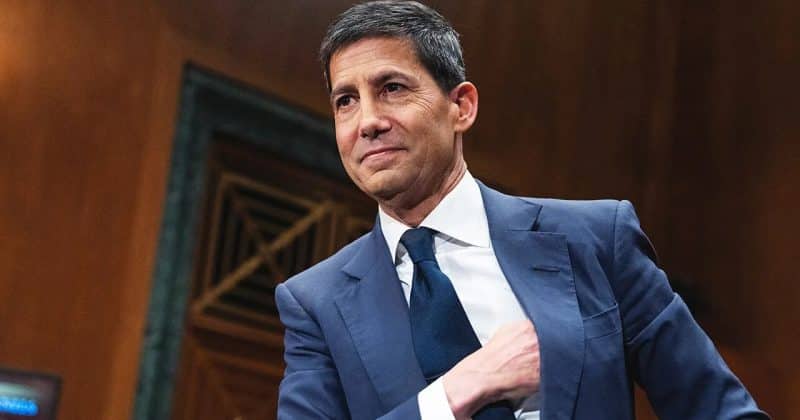
Kevin Warsh, the 17th Chair of the Federal Reserve, is heading into his first FOMC meeting on June 16-17 with a reputation that has already spooked markets. Sworn in on May 22, 2026, after a Senate confirmation on May 13, the former Fed Governor has made one thing abundantly clear: he thinks inflation is something you fix on purpose, not something you wait out.

A strict 2% target and fewer words

During his Senate testimony in April 2026, Warsh described inflation as “a choice.” That framing is not accidental. It signals a philosophical break from the flexible average inflation targeting framework Powell adopted in 2020, which allowed inflation to run above 2% for extended periods to make up for prior shortfalls. Warsh’s preferred strategy involves a return to a rigid 2% inflation target, with no tolerance for overshooting in the name of making up lost ground.

He’s also indicated a preference for alternative inflation measures like trimmed-mean or median inflation, rather than relying primarily on headline PCE or CPI.

Advertisement

Warsh has not committed to holding regular press conferences after every FOMC meeting, a sharp departure from the Powell era, where post-meeting press conferences became standard fare. Forward guidance appears to be getting demoted in the Warsh Fed.

Balance sheet reduction and tighter liquidity

Beyond interest rate policy, Warsh has telegraphed intentions to shrink the Fed’s balance sheet, which currently sits above $6 trillion. That balance sheet ballooned during the pandemic-era quantitative easing programs, when the Fed hoovered up Treasuries and mortgage-backed securities to keep financial markets functioning and borrowing costs low.

Warsh has also expressed skepticism toward non-traditional monetary tools more broadly. During his time as a Fed Governor from 2006 to 2011, he advocated for interest rates as the primary lever for economic stability, viewing emergency lending facilities and asset purchases as measures that should remain genuinely emergency-level, not permanent fixtures.

What this means for crypto and risk assets

Bitcoin dropped to approximately $74,190 shortly after his swearing-in, as traders began recalibrating their expectations for the liquidity environment ahead.

One wrinkle worth noting: Warsh has disclosed investments in over 30 crypto projects, including Bitcoin and Solana, making him the most crypto-invested Fed chair in history.

For investors navigating this transition, the June 16-17 FOMC meeting will be the first real test. With inflation still elevated and job growth remaining robust, the pressure on Warsh to act hawkishly is real.

Fewer press conferences mean fewer opportunities for the Fed to course-correct market expectations. In the Powell era, a single press conference remark could send Bitcoin swinging 5% in either direction. Under Warsh, those signals may come less frequently, but carry more weight when they arrive.

Disclosure: This article was edited by Editorial Team. For more information on how we create and review content, see our Editorial Policy.

Kevin Warsh’s debut Fed press conference may outline inflation strategy

Kevin Warsh’s debut Fed press conference may outline inflation strategy

The new Fed chair's hawkish stance on inflation and plans to shrink the balance sheet could reshape risk asset markets, including crypto

Kevin Warsh, the 17th Chair of the Federal Reserve, is heading into his first FOMC meeting on June 16-17 with a reputation that has already spooked markets. Sworn in on May 22, 2026, after a Senate confirmation on May 13, the former Fed Governor has made one thing abundantly clear: he thinks inflation is something you fix on purpose, not something you wait out.

A strict 2% target and fewer words

During his Senate testimony in April 2026, Warsh described inflation as “a choice.” That framing is not accidental. It signals a philosophical break from the flexible average inflation targeting framework Powell adopted in 2020, which allowed inflation to run above 2% for extended periods to make up for prior shortfalls. Warsh’s preferred strategy involves a return to a rigid 2% inflation target, with no tolerance for overshooting in the name of making up lost ground.

He’s also indicated a preference for alternative inflation measures like trimmed-mean or median inflation, rather than relying primarily on headline PCE or CPI.

Advertisement

Warsh has not committed to holding regular press conferences after every FOMC meeting, a sharp departure from the Powell era, where post-meeting press conferences became standard fare. Forward guidance appears to be getting demoted in the Warsh Fed.

Balance sheet reduction and tighter liquidity

Beyond interest rate policy, Warsh has telegraphed intentions to shrink the Fed’s balance sheet, which currently sits above $6 trillion. That balance sheet ballooned during the pandemic-era quantitative easing programs, when the Fed hoovered up Treasuries and mortgage-backed securities to keep financial markets functioning and borrowing costs low.

Warsh has also expressed skepticism toward non-traditional monetary tools more broadly. During his time as a Fed Governor from 2006 to 2011, he advocated for interest rates as the primary lever for economic stability, viewing emergency lending facilities and asset purchases as measures that should remain genuinely emergency-level, not permanent fixtures.

What this means for crypto and risk assets

Bitcoin dropped to approximately $74,190 shortly after his swearing-in, as traders began recalibrating their expectations for the liquidity environment ahead.

One wrinkle worth noting: Warsh has disclosed investments in over 30 crypto projects, including Bitcoin and Solana, making him the most crypto-invested Fed chair in history.

For investors navigating this transition, the June 16-17 FOMC meeting will be the first real test. With inflation still elevated and job growth remaining robust, the pressure on Warsh to act hawkishly is real.

Fewer press conferences mean fewer opportunities for the Fed to course-correct market expectations. In the Powell era, a single press conference remark could send Bitcoin swinging 5% in either direction. Under Warsh, those signals may come less frequently, but carry more weight when they arrive.

Disclosure: This article was edited by Editorial Team. For more information on how we create and review content, see our Editorial Policy.