
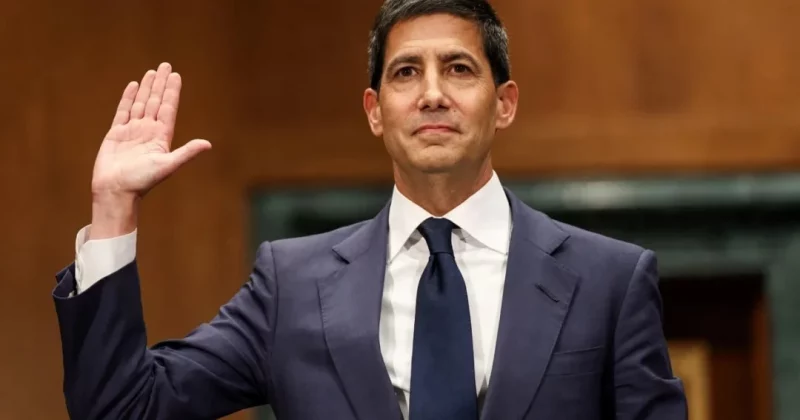
Kevin Warsh faces scrutiny over crypto holdings as he prepares to lead the Federal Reserve
The incoming Fed Chair holds between $131 million and $209 million in digital assets, and his confirmation vote of 54-45 signals just how politically charged his tenure will be.
Kevin Warsh was confirmed as the next Chair of the Federal Reserve on May 22, 2026, by a Senate vote of 54-45.
Warsh succeeds Jerome Powell at a moment when the central bank faces elevated inflation running at an annual rate of 3.3%.
The portfolio problem
Warsh’s financial disclosures revealed holdings in over 30 digital assets, valued somewhere between $131 million and $209 million.
During Senate Banking Committee hearings in April, Democrats zeroed in on the transparency and conflict-of-interest questions that inevitably follow when someone with nine-figure crypto holdings is about to oversee the institution most capable of shaping crypto’s regulatory fate.
Warsh pledged to divest his crypto-related assets within 90 days of confirmation.
The news moving money, markets, and the world—before your day starts.
Daily. Free. Join 34,000+ readers across crypto, finance, and policy.
Powell was confirmed to his second term with an 80-19 vote in 2022, which makes Warsh’s margin look like a squeaker by comparison.
A different kind of Fed Chair
Warsh is not new to the Fed. He served as a governor from 2006 to 2011, a stretch that included the global financial crisis.
During his April hearings, Warsh acknowledged that digital assets are now embedded in US financial services.
Warsh has previously described Bitcoin as “the new gold for people under 40.”