
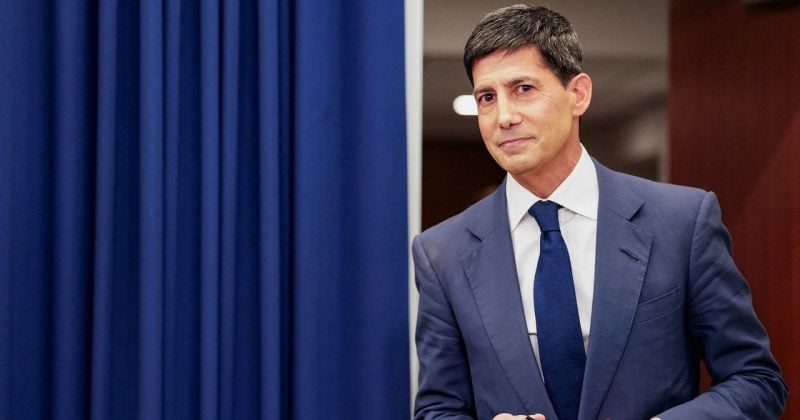
Kevin Warsh reinforces inflation-first stance amid rising oil prices
The new Fed Chair is holding rates steady near 3.6% while oil shocks and AI energy demand complicate the path to cuts
Kevin Warsh has been running the Federal Reserve for barely two months, and he is already making clear that the central bank will not be rushed. The former Fed governor, sworn in as Chair on May 22, 2026, has reiterated his commitment to getting inflation back to 2% before entertaining rate cuts, even as oil markets swing and artificial intelligence infrastructure buildout drives new demand pressures.
The inflation calculus Warsh is working with
At his inaugural Federal Open Market Committee meeting on June 17, 2026, Warsh guided the committee to hold rates at approximately 3.6%. He signaled there was little room for near-term adjustment in either direction.
Then, in early July, his tone shifted slightly. Warsh acknowledged that inflation risks have come down, while making clear the 2% target remains non-negotiable.
Two structural forces are making his job harder. First, oil prices remain elevated, complicated by the 2026 Iran conflict that injected fresh geopolitical risk into energy markets. When oil gets expensive, it bleeds into transportation costs, manufacturing, food supply chains, and eventually into the consumer price index that the Fed watches most closely.
Second, the AI buildout is not just a Silicon Valley story anymore. The energy consumption required to run large-scale AI infrastructure, from data centers to inference clusters, is adding a layer of demand to power grids and energy markets that did not exist at this scale even two years ago.
The news moving money, markets, and the world—before your day starts.
Daily. Free. Join 34,000+ readers across crypto, finance, and policy.
Why crypto markets are paying close attention
Warsh’s carefully calibrated hawkish comments were followed by Bitcoin reclaiming the $60,000 level in July 2026. Ether, Solana, and Dogecoin also moved higher in the same window.
What makes Warsh a particularly unusual figure in this dynamic is his own disclosed financial history. His 2026 ethics filings revealed prior stakes in companies tied to Solana, Optimism, dYdX, Flashnet, and prediction markets. He committed to divesting those holdings upon taking the role.
Warsh has also described Bitcoin as an important asset for informing economic policy discussions.
What investors should be watching now
The AI energy demand angle is worth monitoring specifically for crypto miners and proof-of-work infrastructure, where electricity cost is a direct input to profitability. If power prices rise because AI data centers are consuming more grid capacity, mining economics tighten even if Bitcoin’s price is holding.
Warsh was nominated by President Trump and confirmed by the Senate, making his relationship with market expectations politically visible in a way that previous Fed chairs sometimes avoided.