
https://commons.wikimedia.org/wiki/Category:Knesset_building
Knesset passes controversial laws amid political tensions ahead of 2026 elections
Israeli parliament dissolution
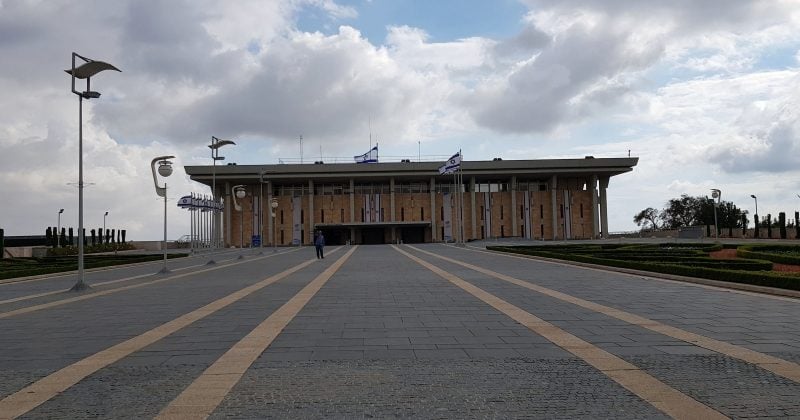
The Knesset has passed several controversial laws, including enshrining Torah study in law, freezing draft arrests of Haredi men, weakening the attorney-general’s oversight, and reforming broadcasting regulation. These legislative moves are part of the Netanyahu government’s agenda ahead of the October 27, 2026 elections. The laws were pushed forward by demands from ultra-Orthodox and far-right coalition partners. The new legislation comes in response to a recent High Court ruling that ended exemptions for Haredi men from military service, triggering a political escalation over military equality. The market for the dissolution of the Israeli parliament by July 31, 2026, suggests that these legislative changes may increase instability within the Knesset.
Key Takeaways
- Knesset’s recent legislative actions appear to reflect Netanyahu’s strategy to secure support from coalition partners ahead of upcoming elections.
- Market pricing suggests an increased likelihood of Israeli parliament dissolution by July 31, 2026, following these controversial legislative moves.
- The new laws aim to address recent High Court decisions and consolidate power, indicating potential political volatility.
What to Watch
Observing any shifts in coalition dynamics will be crucial, particularly any moves by Prime Minister Netanyahu or key coalition partners like Aryeh Deri and Moshe Gafni. Changes in the parliamentary support for the government or increased public dissent could further influence market expectations regarding the parliament’s dissolution. Additionally, any statements or actions from opposition leaders such as Benny Gantz or Yair Lapid may provide further indications of potential early elections or government instability.