
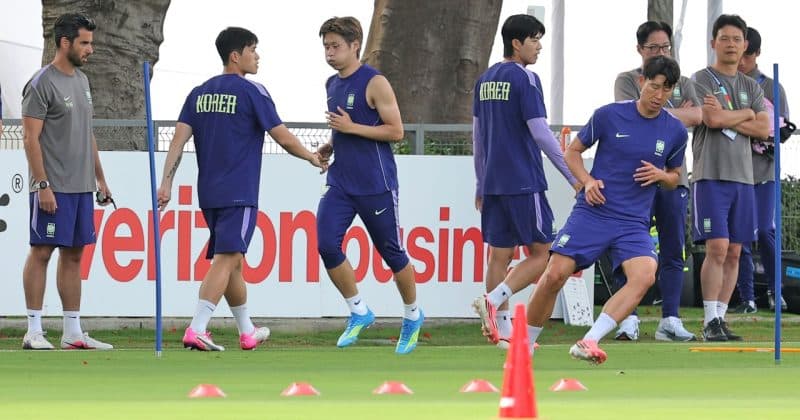
Korea Republic and Czechia draw 0-0 in World Cup 2026 opener as crypto fan token gap becomes apparent
The first competitive meeting between the two nations ended goalless in Guadalajara, highlighting an underexplored corner of the fan token market
Korea Republic and Czechia played to a 0-0 draw in their World Cup 2026 Group A opener at Guadalajara Stadium in Mexico on June 11, marking the first competitive meeting between the two national football teams. For crypto markets, the match quietly underscored something worth paying attention to: neither squad has a dedicated fan token, a gap that stands out in a tournament era increasingly intertwined with blockchain-based fan engagement.
A historic first, without much to show for it on chain
Korea Republic arrived in Mexico on the back of an unbeaten qualifying campaign, carrying genuine momentum into the expanded 48-team tournament. Czechia, meanwhile, returned to the World Cup stage after a 20-year absence, making the occasion significant for both fanbases.
Yet despite the built-in narrative appeal, neither federation has ventured into the fan token space. That’s notable because platforms like Chiliz, which powers the Socios.com ecosystem, have signed up dozens of football clubs and several national teams in recent years. CHZ has positioned itself as the go-to infrastructure layer for tokenized fan engagement in football, letting holders vote on minor club decisions and access exclusive content.
The absence of Korean and Czech fan tokens means there was no on-chain proxy for fans to express support, speculate on outcomes, or engage with their teams through tokenized channels during one of the tournament’s opening fixtures. For a World Cup being co-hosted across the United States, Canada, and Mexico, three markets where crypto adoption is relatively advanced, the gap feels conspicuous.
Where crypto actually shows up in the 2026 World Cup
The broader tournament isn’t devoid of blockchain involvement. FIFA has a partnership with Algorand covering tokenized tickets and digital collectibles, extending the relationship that first surfaced during the 2022 Qatar World Cup cycle. That deal focuses on behind-the-scenes infrastructure and fan-facing NFT-style products rather than headline sponsorships plastered across stadium boards.
The news moving money, markets, and the world—before your day starts.
Daily. Free. Join 34,000+ readers across crypto, finance, and policy.
Crypto-native sportsbooks have grown substantially since the last tournament, and major matches like Korea Republic vs. Czechia generate meaningful betting activity denominated in digital assets. The stablecoin USDT, in particular, has become a preferred unit for bettors who want to avoid the volatility of placing a wager in ETH only to have the underlying asset move before the final whistle. Betting platforms supporting Bitcoin, Ethereum, and USDT represent another layer of crypto involvement in the 2026 World Cup.
What the fan token gap means for investors
During the 2022 World Cup, tokens associated with participating nations saw sharp spikes in trading volume, particularly around knockout-stage drama. The fact that two teams with passionate, sizable fanbases, Korea Republic boasts one of Asia’s most devoted football followings, have no tokenized presence suggests the fan token market hasn’t fully penetrated the international football landscape.
Investors watching the fan token vertical should monitor whether the 2026 World Cup’s expanded format, which features 16 more teams than the previous edition, creates enough commercial pressure for federations to explore tokenization. More teams means more fanbases looking for engagement channels, and more potential launch partners for platforms like Chiliz that specialize in this niche.
For traders, the actionable takeaway is straightforward: watch CHZ volume around high-profile group stage matches and track whether any federation announcements coincide with the tournament window. Fan token launches timed to World Cup buzz have a track record of generating sharp, if temporary, price action.