
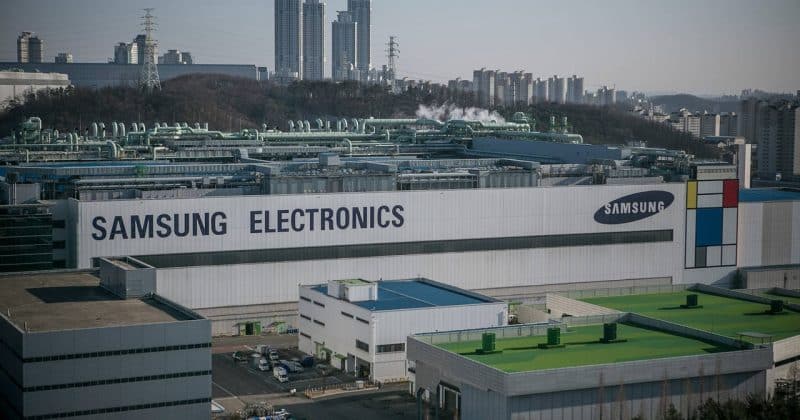
KOSPI index rebounds 4% as Samsung, SK Hynix lead recovery
South Korea's benchmark index bounces back after a brutal 10% selloff, with chipmaker earnings returning to focus
South Korean stocks staged a sharp recovery after one of the most violent selloffs in recent memory, with the KOSPI index bouncing back as investors turned their attention from panic selling to something more grounded: chipmaker earnings.
The rebound, led by Samsung Electronics and SK Hynix, follows a period of extreme volatility that saw the KOSPI shed nearly 10% in a single session on June 23, dropping to 8,203.84. That decline was steep enough to trigger a 20-minute trading halt, a circuit breaker activated after concerns about overheated tech stocks and regulatory warnings sent traders scrambling for the exits.
The two stocks that move everything
Samsung Electronics and SK Hynix together account for over 50% of the index’s total market capitalization. When they move, the entire Korean market moves with them.
That concentration has been both a blessing and a curse in June 2026. Earlier in the month, on June 9, the KOSPI surged 8.2% in a single day. Samsung gained approximately 9.3%, while SK Hynix ripped higher by more than 15%. Then came the June 23 crash, where both stocks fell by more than 12% each, dragging the index down by 9.99%.
SK Hynix briefly surpassed Samsung in valuation during the turbulence, a symbolic moment that underscored just how dramatically the AI chip boom has reshuffled the hierarchy of Korean corporate giants. The memory chip maker’s rise has been powered by insatiable demand for high-bandwidth memory chips used in AI training and inference workloads.
AI, tech, and the markets they move—in one daily briefing.
Daily. Free. Join 34,000+ readers across crypto, finance, and policy.
Earnings that justify the madness, mostly
The recovery narrative is anchored in something concrete. SK Hynix posted record revenue of 97 trillion won, roughly $63.1 billion, for 2025. Net profit hit 42.9 trillion won, approximately $27.9 billion.
The KOSPI has dropped 15% from its recent peaks before recovering. Foreign investors have been net sellers throughout the chaos, dumping billions in Korean stocks. Their concerns appear centered on market concentration risk rather than any fundamental deterioration in the underlying businesses.
What this means for investors
South Korean authorities issued warnings about overheated tech stocks and leveraged ETFs in the lead-up to the June 23 crash. Investors who pile into Korean chipmakers for AI exposure may find themselves navigating not just market risk but policy risk as well.
A market where two stocks control more than half the index weight is inherently fragile. The KOSPI’s 8.2% single-day surge and its 9.99% single-day crash both happened within the same month.