
Nexo Earn with Nexo
Kuwait backs US-Iran deal to reopen Strait of Hormuz, easing pressure on oil and crypto markets

Kuwait backs US-Iran deal to reopen Strait of Hormuz, easing pressure on oil and crypto markets

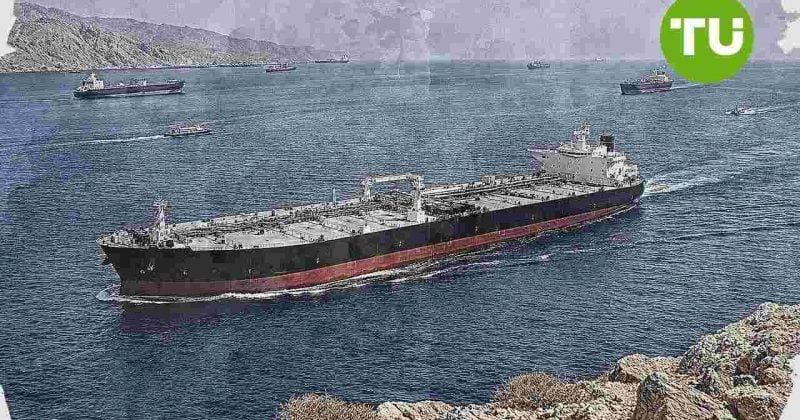
The memorandum of understanding aims to end the conflict that began in February 2026 and restore free shipping through the waterway that carries 20% of global oil and gas.

Kuwait’s foreign ministry has formally endorsed the US-Iran memorandum of understanding announced on June 14, 2026, joining a growing list of nations backing a deal designed to end hostilities and reopen the Strait of Hormuz to commercial traffic. The agreement, if implemented, would remove the tolls and blockades that have choked one of the world’s most critical shipping lanes since conflict erupted in February 2026.

Roughly 20% of global oil and gas transits the Strait of Hormuz. When that chokepoint gets squeezed, energy prices spike, risk appetite evaporates, and everything from equities to Bitcoin feels the downstream pressure.

What the deal actually says

The MOU establishes a 60-day interim framework meant to facilitate broader nuclear negotiations between Washington and Tehran. In exchange for compliance, Iran would receive sanctions relief.

The most immediate provision is the reopening of the Strait of Hormuz to commercial shipping without tolls or blockades. In the months leading up to the agreement, Iran-linked entities had attempted to impose cryptocurrency-based tolls on vessels transiting the strait, reportedly demanding around $1 per barrel for safe passage. The US responded with sanctions on wallets tied to those entities, and the MOU now explicitly prohibits the practice.

Advertisement

The agreement also calls for immediate demining operations in the area, with a goal of restoring shipping volumes to pre-war levels within 30 days of the deal’s formal signing. That signing is expected to be discussed around June 19, 2026.

US President Donald Trump, UN Secretary-General Antonio Guterres, UK Prime Minister Keir Starmer, and Japan’s Prime Minister Sanae Takaichi have all voiced support. Kuwait’s backing aligns with broader Gulf state endorsements.

The crypto angle no one expected

Iran’s attempted cryptocurrency toll system for the Strait of Hormuz drew Bitcoin and stablecoins into a sanctions enforcement conversation. When Iranian entities demanded crypto payments for passage, it forced the US Treasury to act against specific wallet addresses. Crypto offered Iran a way to collect payments outside the traditional banking system, while also giving US authorities a transparent ledger to trace and sanction those same payments.

No new tokens have emerged specifically tied to this agreement. A sovereign actor attempted to weaponize cryptocurrency infrastructure against global commerce, and the response was a combination of on-chain sanctions and a diplomatic agreement that explicitly addresses the practice.

What this means for investors

The conflict that began in February 2026 injected a persistent risk premium into energy markets. The 60-day interim framework gives investors a concrete timeline to watch. If demining operations proceed and shipping volumes begin recovering toward pre-war levels within the first 30 days, the resulting drop in energy costs could be a meaningful tailwind for digital assets.

The sanctions relief component introduces its own variables. Iran gaining access to more traditional financial channels could reduce the incentive to use crypto as a sanctions evasion tool, potentially easing regulatory scrutiny that has intensified around privacy coins and mixing services since the toll episode began.

The 60-day framework is interim by design, meant to create space for nuclear negotiations. If talks break down after the initial period, tensions could re-escalate and the risk premium could return. The Iran toll episode also put cryptocurrency squarely in the crosshairs of national security discussions, and whatever regulatory frameworks emerge from the broader negotiations could shape how digital assets are treated in international commerce.

Disclosure: This article was edited by Editorial Team. For more information on how we create and review content, see our Editorial Policy.

Kuwait backs US-Iran deal to reopen Strait of Hormuz, easing pressure on oil and crypto markets

Kuwait backs US-Iran deal to reopen Strait of Hormuz, easing pressure on oil and crypto markets

The memorandum of understanding aims to end the conflict that began in February 2026 and restore free shipping through the waterway that carries 20% of global oil and gas.

Kuwait’s foreign ministry has formally endorsed the US-Iran memorandum of understanding announced on June 14, 2026, joining a growing list of nations backing a deal designed to end hostilities and reopen the Strait of Hormuz to commercial traffic. The agreement, if implemented, would remove the tolls and blockades that have choked one of the world’s most critical shipping lanes since conflict erupted in February 2026.

Roughly 20% of global oil and gas transits the Strait of Hormuz. When that chokepoint gets squeezed, energy prices spike, risk appetite evaporates, and everything from equities to Bitcoin feels the downstream pressure.

What the deal actually says

The MOU establishes a 60-day interim framework meant to facilitate broader nuclear negotiations between Washington and Tehran. In exchange for compliance, Iran would receive sanctions relief.

The most immediate provision is the reopening of the Strait of Hormuz to commercial shipping without tolls or blockades. In the months leading up to the agreement, Iran-linked entities had attempted to impose cryptocurrency-based tolls on vessels transiting the strait, reportedly demanding around $1 per barrel for safe passage. The US responded with sanctions on wallets tied to those entities, and the MOU now explicitly prohibits the practice.

Advertisement

The agreement also calls for immediate demining operations in the area, with a goal of restoring shipping volumes to pre-war levels within 30 days of the deal’s formal signing. That signing is expected to be discussed around June 19, 2026.

US President Donald Trump, UN Secretary-General Antonio Guterres, UK Prime Minister Keir Starmer, and Japan’s Prime Minister Sanae Takaichi have all voiced support. Kuwait’s backing aligns with broader Gulf state endorsements.

The crypto angle no one expected

Iran’s attempted cryptocurrency toll system for the Strait of Hormuz drew Bitcoin and stablecoins into a sanctions enforcement conversation. When Iranian entities demanded crypto payments for passage, it forced the US Treasury to act against specific wallet addresses. Crypto offered Iran a way to collect payments outside the traditional banking system, while also giving US authorities a transparent ledger to trace and sanction those same payments.

No new tokens have emerged specifically tied to this agreement. A sovereign actor attempted to weaponize cryptocurrency infrastructure against global commerce, and the response was a combination of on-chain sanctions and a diplomatic agreement that explicitly addresses the practice.

What this means for investors

The conflict that began in February 2026 injected a persistent risk premium into energy markets. The 60-day interim framework gives investors a concrete timeline to watch. If demining operations proceed and shipping volumes begin recovering toward pre-war levels within the first 30 days, the resulting drop in energy costs could be a meaningful tailwind for digital assets.

The sanctions relief component introduces its own variables. Iran gaining access to more traditional financial channels could reduce the incentive to use crypto as a sanctions evasion tool, potentially easing regulatory scrutiny that has intensified around privacy coins and mixing services since the toll episode began.

The 60-day framework is interim by design, meant to create space for nuclear negotiations. If talks break down after the initial period, tensions could re-escalate and the risk premium could return. The Iran toll episode also put cryptocurrency squarely in the crosshairs of national security discussions, and whatever regulatory frameworks emerge from the broader negotiations could shape how digital assets are treated in international commerce.

Disclosure: This article was edited by Editorial Team. For more information on how we create and review content, see our Editorial Policy.