
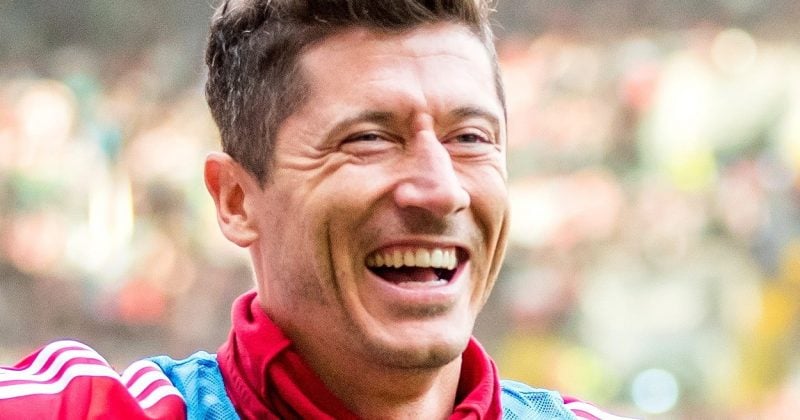
Robert Lewandowski’s MLS debut against Thomas Muller postponed due to poor air quality

Robert Lewandowski’s MLS debut against Thomas Muller postponed due to poor air quality

Chicago's air quality concerns delay what would have been one of the most-hyped regular season matches in MLS history, raising questions about climate risk to major sporting events and their commercial ecosystems

Two of European football’s most decorated strikers were supposed to share a pitch in Chicago on July 16. Instead, Robert Lewandowski’s first MLS match for Chicago Fire FC against Thomas Muller’s Vancouver Whitecaps got shelved because the air outside was, to put it gently, not great for breathing.

The match that wasn’t

Lewandowski joined Chicago Fire in late June 2026 after his contract with FC Barcelona expired. The Polish striker was expected to bring a massive spotlight to a league that has spent years trying to compete for global attention.

Advertisement

MLS had just resumed its season following a pause connected to the FIFA World Cup, and the league needed a tentpole moment to recapture audience interest. A Lewandowski debut, against his former Bayern Munich teammate Muller no less, was exactly that moment.

Muller had already been stateside, having joined Vancouver Whitecaps in 2025. A reunion with Lewandowski, his longtime strike partner in Munich’s attack, was the kind of storyline that sports marketing departments dream about.

Then the air quality index in Chicago said no.

When climate risk meets the sports economy

This isn’t the first time air quality has forced a professional sports postponement in the US. Wildfire smoke from Canada has disrupted MLB, NFL, and MLS schedules in recent years, and the pattern is accelerating. For leagues that sell certainty to broadcast partners and advertisers, that acceleration represents a growing risk factor that’s difficult to price.

Disclosure: This article was edited by Editorial Team. For more information on how we create and review content, see our Editorial Policy.

Robert Lewandowski’s MLS debut against Thomas Muller postponed due to poor air quality

Robert Lewandowski’s MLS debut against Thomas Muller postponed due to poor air quality

Chicago's air quality concerns delay what would have been one of the most-hyped regular season matches in MLS history, raising questions about climate risk to major sporting events and their commercial ecosystems

Two of European football’s most decorated strikers were supposed to share a pitch in Chicago on July 16. Instead, Robert Lewandowski’s first MLS match for Chicago Fire FC against Thomas Muller’s Vancouver Whitecaps got shelved because the air outside was, to put it gently, not great for breathing.

The match that wasn’t

Lewandowski joined Chicago Fire in late June 2026 after his contract with FC Barcelona expired. The Polish striker was expected to bring a massive spotlight to a league that has spent years trying to compete for global attention.

Advertisement

MLS had just resumed its season following a pause connected to the FIFA World Cup, and the league needed a tentpole moment to recapture audience interest. A Lewandowski debut, against his former Bayern Munich teammate Muller no less, was exactly that moment.

Muller had already been stateside, having joined Vancouver Whitecaps in 2025. A reunion with Lewandowski, his longtime strike partner in Munich’s attack, was the kind of storyline that sports marketing departments dream about.

Then the air quality index in Chicago said no.

When climate risk meets the sports economy

This isn’t the first time air quality has forced a professional sports postponement in the US. Wildfire smoke from Canada has disrupted MLB, NFL, and MLS schedules in recent years, and the pattern is accelerating. For leagues that sell certainty to broadcast partners and advertisers, that acceleration represents a growing risk factor that’s difficult to price.

Disclosure: This article was edited by Editorial Team. For more information on how we create and review content, see our Editorial Policy.