
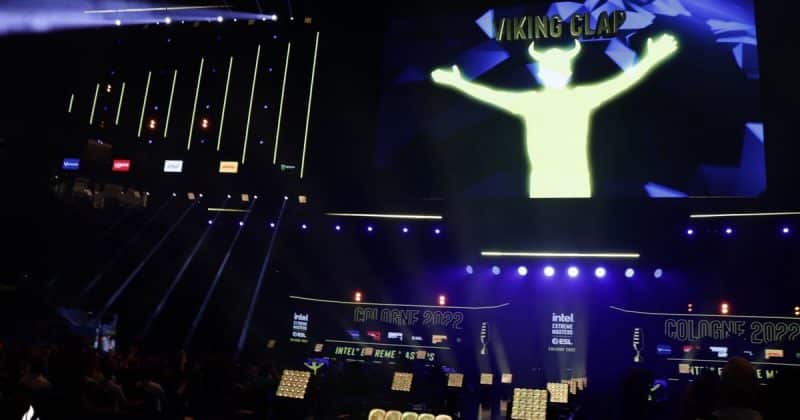
M80 players to compete in IEM Major Cologne showmatch as crypto branding exits the stage
The Web3-native esports org lands a spotlight slot at a major that has quietly dropped all cryptocurrency sponsors for the first time in years.
Two players from M80, an esports organization built on Web3 foundations, will compete in a showmatch at the IEM Cologne Major 2026. The exhibition match will feature star talent from multiple teams, including members of the BIG roster.
On its own, a showmatch announcement is standard esports fare. What makes this one worth watching from a crypto angle is the backdrop: the IEM Cologne Major 2026 is reportedly the first edition in recent years to feature zero cryptocurrency sponsors or blockchain integrations in its official broadcast. That’s a notable shift for an event series that had previously been friendly territory for crypto branding.
A Web3 org on a non-Web3 stage
M80 is not your typical Counter-Strike 2 organization. The team raised $3 million in seed funding back in May 2023, with the explicit goal of building a Web3-enabled esports operation. That money was earmarked for digital collectibles and decentralized autonomous organization structures within competitive gaming.
The org has continued pushing into crypto infrastructure since then. M80 partnered with Exodus Wallet on a passkeys integration designed to make crypto transactions smoother for esports fans.
Why crypto sponsors are disappearing from esports majors
The absence of crypto branding from the IEM Cologne Major 2026 is part of a broader pattern. Over the past two years, esports events have gradually distanced themselves from token-based sponsorships and blockchain partnerships. Regulatory scrutiny on crypto advertising has tightened across the EU, where Cologne sits.
The news moving money, markets, and the world—before your day starts.
Daily. Free. Join 34,000+ readers across crypto, finance, and policy.
Independent prediction markets around the Major have reportedly generated roughly $12.3 million in trading volume. That kind of engagement exists entirely outside official event sponsorship frameworks.
What this means for investors
If you’re holding positions in crypto projects targeting the esports vertical, the IEM Cologne situation is a signal worth processing carefully. The removal of crypto sponsors from a tier-one event doesn’t mean the market is dead. It means the distribution channel is shifting.
The $12.3 million in prediction market activity suggests that crypto’s actual utility in esports lives in the product layer, not the branding layer.
M80’s trajectory illustrates this split. The organization’s value proposition was never about logo placement on someone else’s broadcast. It was about building DAO structures and digital collectibles that give fans a different relationship with the team.