
Macron launches anti-ballistic missile coalition as Europe reshapes its defense posture

Macron launches anti-ballistic missile coalition as Europe reshapes its defense posture

Nine European nations and Ukraine form integrated missile defense bloc, signaling a shift in continental security that carries implications for defense spending, sanctions policy, and crypto-adjacent industries

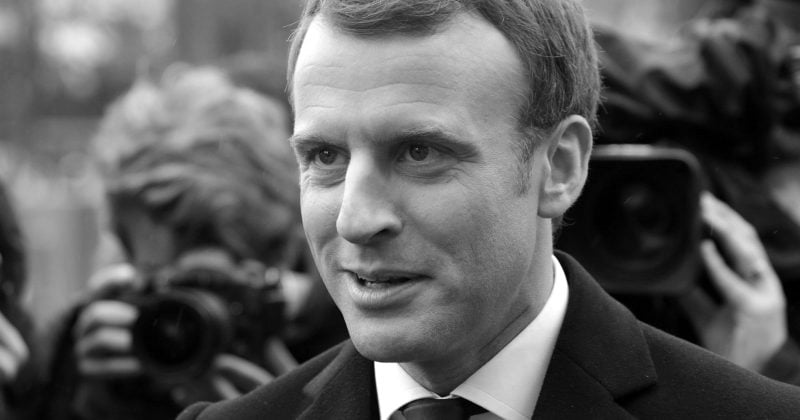
On July 13, 2026, French President Emmanuel Macron and Ukrainian President Volodymyr Zelenskyy stood together in Paris to announce the Integrated Anti-Ballistic Missile Coalition. The bloc unites Denmark, France, Germany, Italy, the Netherlands, Norway, Spain, Sweden, and the United Kingdom alongside Ukraine as a full member. Its stated mission: build a purely defensive European missile shield to counter ballistic threats emanating from Russian military escalation.

Advertisement

The coalition is structured around technological collaboration and integrated defense systems. Discussions at the summit covered deliveries of SAMP-T air defense systems and a licensing arrangement for French missile production in Ukraine. Rafale aircraft deliveries to Ukraine are projected for completion between 2028 and 2029. Zelenskyy awarded Macron the Order of Freedom during the summit. The coalition falls under a broader “Coalition of the Willing” initiative designed to plug what European leaders have described as critical gaps in continental air defense.

The EU has already deployed crypto-related sanctions regimes banning Russian nationals from holding wallets at EU-based exchanges and imposing transaction caps. A new missile coalition signals that Europe’s security establishment views the Russian threat as intensifying, not stabilizing, making sanctions expansion more probable.

The coalition’s formation is notable for the absence of the United States from the founding membership, reflecting a European pivot toward what Macron has long called “strategic autonomy.” The EU’s MiCA framework already diverges significantly from US regulatory approaches.

Disclosure: This article was edited by Editorial Team. For more information on how we create and review content, see our Editorial Policy.

Macron launches anti-ballistic missile coalition as Europe reshapes its defense posture

Macron launches anti-ballistic missile coalition as Europe reshapes its defense posture

Nine European nations and Ukraine form integrated missile defense bloc, signaling a shift in continental security that carries implications for defense spending, sanctions policy, and crypto-adjacent industries

On July 13, 2026, French President Emmanuel Macron and Ukrainian President Volodymyr Zelenskyy stood together in Paris to announce the Integrated Anti-Ballistic Missile Coalition. The bloc unites Denmark, France, Germany, Italy, the Netherlands, Norway, Spain, Sweden, and the United Kingdom alongside Ukraine as a full member. Its stated mission: build a purely defensive European missile shield to counter ballistic threats emanating from Russian military escalation.

Advertisement

The coalition is structured around technological collaboration and integrated defense systems. Discussions at the summit covered deliveries of SAMP-T air defense systems and a licensing arrangement for French missile production in Ukraine. Rafale aircraft deliveries to Ukraine are projected for completion between 2028 and 2029. Zelenskyy awarded Macron the Order of Freedom during the summit. The coalition falls under a broader “Coalition of the Willing” initiative designed to plug what European leaders have described as critical gaps in continental air defense.

The EU has already deployed crypto-related sanctions regimes banning Russian nationals from holding wallets at EU-based exchanges and imposing transaction caps. A new missile coalition signals that Europe’s security establishment views the Russian threat as intensifying, not stabilizing, making sanctions expansion more probable.

The coalition’s formation is notable for the absence of the United States from the founding membership, reflecting a European pivot toward what Macron has long called “strategic autonomy.” The EU’s MiCA framework already diverges significantly from US regulatory approaches.

Disclosure: This article was edited by Editorial Team. For more information on how we create and review content, see our Editorial Policy.