
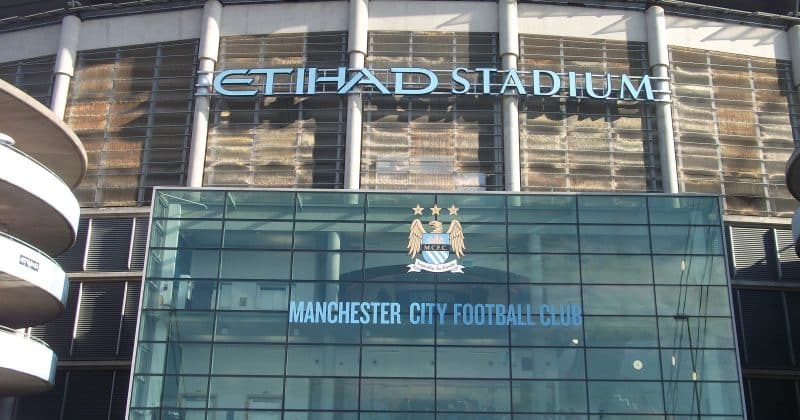
Manchester City’s £10M signing of teenage prospect highlights crypto’s deepening grip on football

Manchester City’s £10M signing of teenage prospect highlights crypto’s deepening grip on football

The transfer of 16-year-old Jeremy Monga from Leicester City lands at the intersection of youth football, fan tokens, and crypto-sponsored clubs.

Manchester City has agreed to pay Leicester City £10 million for 16-year-old winger Jeremy Monga, a deal that on its surface looks like standard Premier League business. Look a little deeper, though, and you’ll find a transaction sitting at the increasingly blurry border between professional football and the crypto economy.

Personal terms with Monga have reportedly been settled as of July 3, 2026. Arsenal had previously been in talks for the teenager but walked away after deciding Leicester’s asking price was too rich. Manchester City, apparently, did not share that concern.

Why crypto cares about a teenage footballer

Manchester City operates a fan token, CITY, launched on the Chiliz platform. Fan tokens let supporters vote on minor club decisions while also functioning as speculative assets tied to a club’s brand momentum.

Advertisement

Leicester City, meanwhile, carries a crypto betting company as its shirt sponsor. The optics of underage athletes effectively serving as billboards for crypto gambling platforms is a tension the sport hasn’t fully reckoned with yet.

The football side of the deal

Monga is not an unknown quantity. The 16-year-old winger made appearances for Leicester in the Championship before this move, which is notable for a player his age.

Enzo Maresca, now Manchester City’s manager, previously coached at Leicester. He knows Monga firsthand and has reportedly been personally involved in selling the club’s long-term vision to the young player.

Arsenal’s decision to drop out of the race also tells a story. The Gunners clearly rated Monga enough to enter negotiations but ultimately judged Leicester’s valuation as excessive. City stepping in at £10 million suggests they see a ceiling that Arsenal didn’t, or at least that they’re willing to pay a premium for Maresca’s conviction.

Fan tokens and the attention economy

Chiliz, the blockchain platform underpinning most major fan tokens, has built partnerships with dozens of clubs across European football. The model works like this: clubs mint tokens, fans buy them for governance rights and exclusive perks, and the tokens trade on secondary markets where price is driven largely by sentiment and club visibility.

The correlation between transfer window activity and fan token trading volume is well-documented across multiple clubs on the Chiliz platform.

What this means for crypto-native sports investors

Regulatory scrutiny around crypto gambling sponsorships in football is intensifying across Europe. The UK Gambling Commission and various parliamentary committees have repeatedly questioned whether crypto betting firms should be allowed on football shirts at all, let alone when those shirts are worn by minors. If regulations tighten, the sponsorship revenue that partly funds transfers like this one could dry up, with downstream effects on token ecosystems.

Disclosure: This article was edited by Editorial Team. For more information on how we create and review content, see our Editorial Policy.

Manchester City’s £10M signing of teenage prospect highlights crypto’s deepening grip on football

Manchester City’s £10M signing of teenage prospect highlights crypto’s deepening grip on football

The transfer of 16-year-old Jeremy Monga from Leicester City lands at the intersection of youth football, fan tokens, and crypto-sponsored clubs.

Manchester City has agreed to pay Leicester City £10 million for 16-year-old winger Jeremy Monga, a deal that on its surface looks like standard Premier League business. Look a little deeper, though, and you’ll find a transaction sitting at the increasingly blurry border between professional football and the crypto economy.

Personal terms with Monga have reportedly been settled as of July 3, 2026. Arsenal had previously been in talks for the teenager but walked away after deciding Leicester’s asking price was too rich. Manchester City, apparently, did not share that concern.

Why crypto cares about a teenage footballer

Manchester City operates a fan token, CITY, launched on the Chiliz platform. Fan tokens let supporters vote on minor club decisions while also functioning as speculative assets tied to a club’s brand momentum.

Advertisement

Leicester City, meanwhile, carries a crypto betting company as its shirt sponsor. The optics of underage athletes effectively serving as billboards for crypto gambling platforms is a tension the sport hasn’t fully reckoned with yet.

The football side of the deal

Monga is not an unknown quantity. The 16-year-old winger made appearances for Leicester in the Championship before this move, which is notable for a player his age.

Enzo Maresca, now Manchester City’s manager, previously coached at Leicester. He knows Monga firsthand and has reportedly been personally involved in selling the club’s long-term vision to the young player.

Arsenal’s decision to drop out of the race also tells a story. The Gunners clearly rated Monga enough to enter negotiations but ultimately judged Leicester’s valuation as excessive. City stepping in at £10 million suggests they see a ceiling that Arsenal didn’t, or at least that they’re willing to pay a premium for Maresca’s conviction.

Fan tokens and the attention economy

Chiliz, the blockchain platform underpinning most major fan tokens, has built partnerships with dozens of clubs across European football. The model works like this: clubs mint tokens, fans buy them for governance rights and exclusive perks, and the tokens trade on secondary markets where price is driven largely by sentiment and club visibility.

The correlation between transfer window activity and fan token trading volume is well-documented across multiple clubs on the Chiliz platform.

What this means for crypto-native sports investors

Regulatory scrutiny around crypto gambling sponsorships in football is intensifying across Europe. The UK Gambling Commission and various parliamentary committees have repeatedly questioned whether crypto betting firms should be allowed on football shirts at all, let alone when those shirts are worn by minors. If regulations tighten, the sponsorship revenue that partly funds transfers like this one could dry up, with downstream effects on token ecosystems.

Disclosure: This article was edited by Editorial Team. For more information on how we create and review content, see our Editorial Policy.