
Manchester United’s £2 billion stadium is the biggest sports infrastructure bet in UK history

Manchester United’s £2 billion stadium is the biggest sports infrastructure bet in UK history

The club's plan for a 100,000-seat ground near Old Trafford signals where sports money is going next, and crypto has a seat at the table

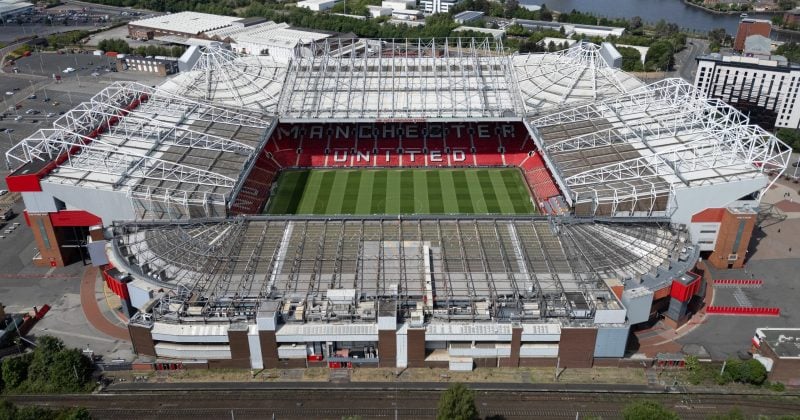
Old Trafford has been Manchester United’s home since 1910. Now the club is done patching it up. United has confirmed plans for a brand-new 100,000-seat stadium, purchased a 25-acre site to build it on, and handed the design brief to Foster + Partners.

The land acquisition was announced on June 22–23, 2026. United bought the site, located roughly 350 meters northwest of the existing ground, from Indurent, a company within the Blackstone portfolio. The total project cost sits at approximately £2 billion, or about $2.6 billion. When completed, it will be the largest stadium in the United Kingdom.

What’s actually being built here

The new ground is designed as the centerpiece of a wider regeneration of the Trafford Wharfside area, with Trafford Council and the Greater Manchester Combined Authority both involved as stakeholders.

Advertisement

For context, Wembley Stadium, England’s current largest, holds around 90,000. United’s proposed ground would clear that comfortably, making it not just the biggest club stadium in the country but the biggest stadium, period. Construction is expected to take around five years from groundbreaking.

The site details were publicly confirmed around July 8 to 9, 2026, giving the project’s footprint its first concrete shape after the concept was first disclosed in March 2025. That’s roughly 16 months from announcement to land purchase.

Where crypto fits into a £2 billion football project

There is no blockchain financing in the current stadium plan. But in February 2022, the club signed Tezos as its official training-kit and blockchain partner in a deal valued at more than £20 million annually. The partnership covers NFT initiatives and fantasy gaming integrations.

The Manchester United Fan Token, ticker MUFC, also exists as a tradeable digital asset, giving the club a live presence in the fan token market regardless of whether any given infrastructure project references it directly.

What this means for investors watching the sports-crypto overlap

Fan tokens as an asset class have had a rough few years. The initial wave of enthusiasm that pushed clubs to launch SOCIOS-style tokens in 2021 and 2022 ran headfirst into a bear market, regulatory skepticism, and user apathy. Most fan tokens trade well below their launch prices.

United’s owners, the Ratcliffe-led INEOS group, acquired a controlling stake in late 2023. The Tezos blockchain has positioned sports partnerships as a core part of its adoption strategy, making any renewed or expanded relationship with the club a potentially meaningful signal for the platform.

Disclosure: This article was edited by Editorial Team. For more information on how we create and review content, see our Editorial Policy.

Manchester United’s £2 billion stadium is the biggest sports infrastructure bet in UK history

Manchester United’s £2 billion stadium is the biggest sports infrastructure bet in UK history

The club's plan for a 100,000-seat ground near Old Trafford signals where sports money is going next, and crypto has a seat at the table

Old Trafford has been Manchester United’s home since 1910. Now the club is done patching it up. United has confirmed plans for a brand-new 100,000-seat stadium, purchased a 25-acre site to build it on, and handed the design brief to Foster + Partners.

The land acquisition was announced on June 22–23, 2026. United bought the site, located roughly 350 meters northwest of the existing ground, from Indurent, a company within the Blackstone portfolio. The total project cost sits at approximately £2 billion, or about $2.6 billion. When completed, it will be the largest stadium in the United Kingdom.

What’s actually being built here

The new ground is designed as the centerpiece of a wider regeneration of the Trafford Wharfside area, with Trafford Council and the Greater Manchester Combined Authority both involved as stakeholders.

Advertisement

For context, Wembley Stadium, England’s current largest, holds around 90,000. United’s proposed ground would clear that comfortably, making it not just the biggest club stadium in the country but the biggest stadium, period. Construction is expected to take around five years from groundbreaking.

The site details were publicly confirmed around July 8 to 9, 2026, giving the project’s footprint its first concrete shape after the concept was first disclosed in March 2025. That’s roughly 16 months from announcement to land purchase.

Where crypto fits into a £2 billion football project

There is no blockchain financing in the current stadium plan. But in February 2022, the club signed Tezos as its official training-kit and blockchain partner in a deal valued at more than £20 million annually. The partnership covers NFT initiatives and fantasy gaming integrations.

The Manchester United Fan Token, ticker MUFC, also exists as a tradeable digital asset, giving the club a live presence in the fan token market regardless of whether any given infrastructure project references it directly.

What this means for investors watching the sports-crypto overlap

Fan tokens as an asset class have had a rough few years. The initial wave of enthusiasm that pushed clubs to launch SOCIOS-style tokens in 2021 and 2022 ran headfirst into a bear market, regulatory skepticism, and user apathy. Most fan tokens trade well below their launch prices.

United’s owners, the Ratcliffe-led INEOS group, acquired a controlling stake in late 2023. The Tezos blockchain has positioned sports partnerships as a core part of its adoption strategy, making any renewed or expanded relationship with the club a potentially meaningful signal for the platform.

Disclosure: This article was edited by Editorial Team. For more information on how we create and review content, see our Editorial Policy.