
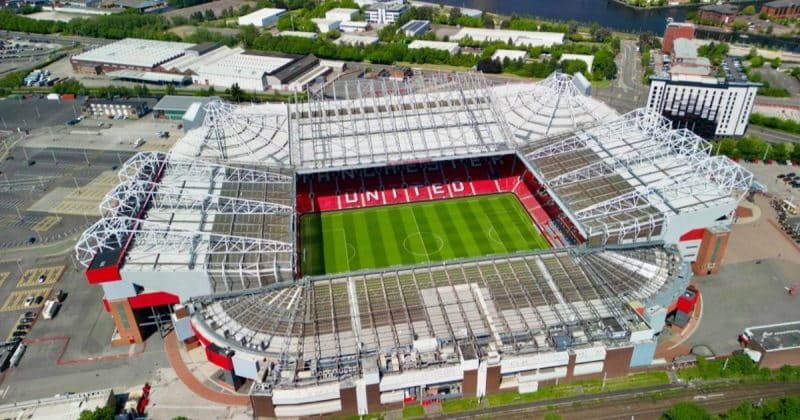
Manchester United secures land for new 100,000-seat stadium
The club has locked down most of the real estate needed for its £2 billion mega-project adjacent to Old Trafford, with a target opening around 2032
Manchester United has secured the majority of land required to build a new 100,000-seat stadium next to its aging Old Trafford home. The project, designed by Foster + Partners, carries an estimated price tag of £2 billion, roughly $2.5 to $2.7 billion, and aims to open around 2032.
The land puzzle is almost complete
The club’s primary remaining hurdle involves negotiations with Freightliner for adjacent land, a deal valued at approximately £400 million. Club officials are reportedly optimistic about wrapping up those talks soon, which would clear the path toward design finalization, funding arrangements, and the necessary planning permissions.
The plans were first unveiled in March 2025 under the influence of Sir Jim Ratcliffe, who holds a minority ownership stake in the club.
Collette Roche serves as the stadium’s dedicated CEO, while Omar Berrada operates as the club’s broader CEO.
The stadium has been described internally as the “Wembley of the North,” a nod to England’s national stadium in London, which seats 90,000.
Why not just renovate Old Trafford
Old Trafford, affectionately known as the “Theatre of Dreams,” has been Manchester United’s home since 1910. It currently holds around 74,310 fans, making it the largest club ground in the United Kingdom.
A purpose-built 100,000-seat venue would represent a roughly 35% increase in capacity over the current ground.
What this means for investors and the broader market
Manchester United trades publicly on the New York Stock Exchange under the ticker MANU, which means this isn’t just a sports story. It’s a financial one.
Construction timelines deserve skepticism. The estimated 4 to 5 years of building after land acquisition and planning approvals means a 2032 opening is optimistic by default. The original £2 billion estimate could climb if construction hits delays, as the club itself has acknowledged.
The financing approach is notably traditional. There’s no crypto sponsorship angle, no blockchain ticketing play, no NFT-funded construction. Manchester United appears to be taking a conventional route to funding the project.