
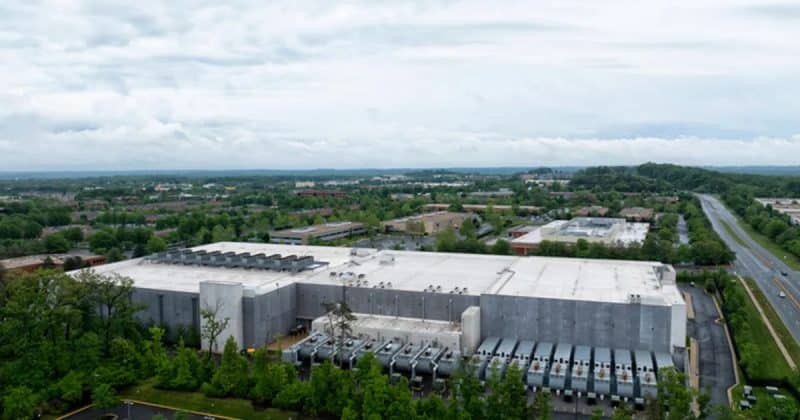
Meta signs 1.6 gigawatt AI compute deals with Crusoe Energy across Texas and Missouri

Meta signs 1.6 gigawatt AI compute deals with Crusoe Energy across Texas and Missouri

The contracts cover facilities in Childress, Texas, and Warrenton, Missouri as hyperscalers race to lock down power capacity through 2030


Meta has secured roughly 1.6 gigawatts of AI computing capacity through new agreements with data center developer Crusoe, according to Bloomberg reporting cited by Reuters.

The contracts cover Crusoe facilities in Childress, Texas, and Warrenton, Missouri. Details on the financial value and delivery schedule were not disclosed.

The deal adds another large block of outside capacity to Meta’s AI infrastructure buildout as the company expands training and inference workloads across Facebook, Instagram, WhatsApp, and its broader AI product lineup.

Crusoe has repositioned itself around what it calls an energy first AI factory model. The company develops large data center campuses and operates a cloud platform built around NVIDIA and AMD hardware for model training, inference, and other high performance computing workloads.

Advertisement

The Meta agreements would represent a significant portion of Crusoe’s contracted portfolio. The company said earlier in June that it had secured 4.9 gigawatts of AI infrastructure capacity across its data center projects and cloud platform.

Demand for that capacity is accelerating as hyperscalers compete for power, GPUs, land, and grid access. Meta has said it plans to build tens of gigawatts of computing capacity this decade and potentially hundreds of gigawatts over time.

The pressure is not only about training larger models. Running AI products for billions of users creates continuous inference demand, requiring reliable computing capacity and power around the clock.

Grid constraints have made outside infrastructure partners increasingly important. New power connections can take years, while permitting, cooling systems, substations, and hardware supply must all be coordinated before a facility can begin operating.

Crusoe’s background gives it a direct view of that energy bottleneck. The company began by using stranded and flared natural gas for Bitcoin mining before shifting capital and engineering resources toward AI data centers and cloud infrastructure.

The Meta deal reinforces that transition. Crusoe is no longer primarily a crypto mining infrastructure company. It is becoming a major supplier in the race to secure large scale AI compute.

The challenge is delivery. Building and operating 1.6 gigawatts of capacity across two locations requires power, cooling, networking equipment, GPUs, construction labor, and local approvals to arrive on schedule.

For Meta, the agreements are another step in turning compute capacity into a strategic advantage. For Crusoe, they place the company deeper inside the infrastructure stack supporting the world’s largest AI platforms.

Disclosure: This article was edited by Editorial Team. For more information on how we create and review content, see our Editorial Policy.

Meta signs 1.6 gigawatt AI compute deals with Crusoe Energy across Texas and Missouri

Meta signs 1.6 gigawatt AI compute deals with Crusoe Energy across Texas and Missouri

The contracts cover facilities in Childress, Texas, and Warrenton, Missouri as hyperscalers race to lock down power capacity through 2030

Share

Add us on Google

Meta has secured roughly 1.6 gigawatts of AI computing capacity through new agreements with data center developer Crusoe, according to Bloomberg reporting cited by Reuters.

The contracts cover Crusoe facilities in Childress, Texas, and Warrenton, Missouri. Details on the financial value and delivery schedule were not disclosed.

The deal adds another large block of outside capacity to Meta’s AI infrastructure buildout as the company expands training and inference workloads across Facebook, Instagram, WhatsApp, and its broader AI product lineup.

Crusoe has repositioned itself around what it calls an energy first AI factory model. The company develops large data center campuses and operates a cloud platform built around NVIDIA and AMD hardware for model training, inference, and other high performance computing workloads.

Advertisement

The Meta agreements would represent a significant portion of Crusoe’s contracted portfolio. The company said earlier in June that it had secured 4.9 gigawatts of AI infrastructure capacity across its data center projects and cloud platform.

Demand for that capacity is accelerating as hyperscalers compete for power, GPUs, land, and grid access. Meta has said it plans to build tens of gigawatts of computing capacity this decade and potentially hundreds of gigawatts over time.

The pressure is not only about training larger models. Running AI products for billions of users creates continuous inference demand, requiring reliable computing capacity and power around the clock.

Grid constraints have made outside infrastructure partners increasingly important. New power connections can take years, while permitting, cooling systems, substations, and hardware supply must all be coordinated before a facility can begin operating.

Crusoe’s background gives it a direct view of that energy bottleneck. The company began by using stranded and flared natural gas for Bitcoin mining before shifting capital and engineering resources toward AI data centers and cloud infrastructure.

The Meta deal reinforces that transition. Crusoe is no longer primarily a crypto mining infrastructure company. It is becoming a major supplier in the race to secure large scale AI compute.

The challenge is delivery. Building and operating 1.6 gigawatts of capacity across two locations requires power, cooling, networking equipment, GPUs, construction labor, and local approvals to arrive on schedule.

For Meta, the agreements are another step in turning compute capacity into a strategic advantage. For Crusoe, they place the company deeper inside the infrastructure stack supporting the world’s largest AI platforms.

Disclosure: This article was edited by Editorial Team. For more information on how we create and review content, see our Editorial Policy.