
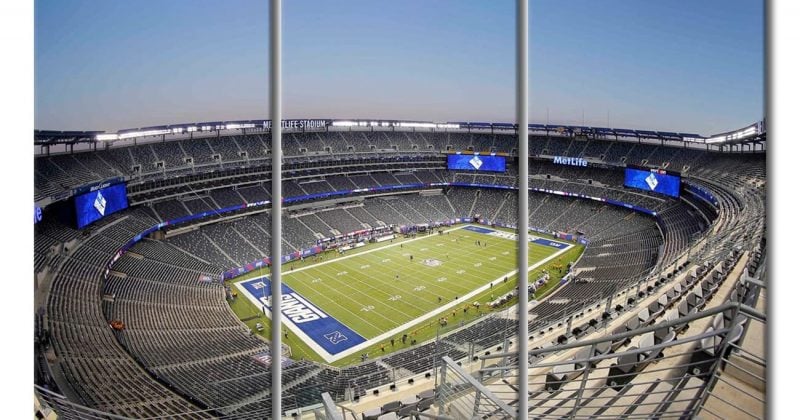
MetLife Stadium lands 2026 World Cup final as crypto remains sidelined from FIFA’s biggest stage
FIFA's decision to host the world's most-watched sporting event in New Jersey raises questions about why blockchain and digital assets continue to be absent from mega-event infrastructure.
FIFA has officially tapped MetLife Stadium in East Rutherford, New Jersey, to host the 2026 World Cup final on July 19, 2026. The decision beat out bids from Dallas and Los Angeles, two cities with arguably superior infrastructure, and immediately ignited debate about venue suitability, summer heat, and transportation logistics.
The venue debate, in plain English
MetLife Stadium will host 82,500 fans for the final, scheduled for a 3:00 p.m. EST kickoff in the middle of a New Jersey summer. The stadium is open-air with no climate control.
Dallas offered AT&T Stadium, which has a retractable roof and air conditioning. Los Angeles had SoFi Stadium, another climate-controlled marvel that hosted the Super Bowl in 2022. Both cities made compelling cases on pure infrastructure merit.
FIFA went with New York anyway. Or, more precisely, it went with the New York metropolitan area’s global brand recognition. The logic is straightforward: when you want the entire world watching, you pick the city the entire world already knows.
Players have already raised concerns about the temporary grass pitch that will need to be installed over MetLife’s standard artificial turf. Transit access to East Rutherford from Manhattan is, charitably, not great. The NJ Transit rail connection exists but wasn’t designed for 82,500 people arriving simultaneously in 95-degree heat.
Where crypto fits, or doesn’t
The 2026 World Cup represents one of the largest commercial opportunities in sports history. The tournament is expanding to 48 teams for the first time, spread across the US, Canada, and Mexico.
The news moving money, markets, and the world—before your day starts.
Daily. Free. Join 34,000+ readers across crypto, finance, and policy.
Crypto.com famously paid $700M for naming rights to the former Staples Center in Los Angeles. FTX, before its spectacular implosion, secured naming rights to the Miami Heat’s arena. Binance, Coinbase, and a parade of exchanges sponsored everything from Formula 1 teams to UFC fighters during the 2021-2022 bull market.
The 2022 World Cup in Qatar saw Crypto.com serve as an official sponsor. That felt like a turning point, a signal that digital assets were becoming permanent fixtures of global sports marketing.
Then the bear market happened. FTX collapsed. Regulatory scrutiny intensified. Marketing budgets evaporated.
What this means for crypto investors watching sports marketing
The infrastructure exists. Polygon, Chiliz, and others have built specifically for sports engagement use cases. Fan tokens for major football clubs still trade on multiple exchanges.
FIFA’s revenue model for the final will rely on broadcast licensing, corporate hospitality, and blue-chip sponsors like Adidas, Coca-Cola, and Visa. Blockchain technology hasn’t demonstrated enough value, or perhaps enough regulatory clarity, to displace those relationships.
The 2026 tournament’s expanded format creates more inventory, more games, and more commercial real estate across 16 host cities. Smaller activations at group-stage venues or second-round matches could still materialize as crypto markets recover and companies regain appetite for brand spending.