
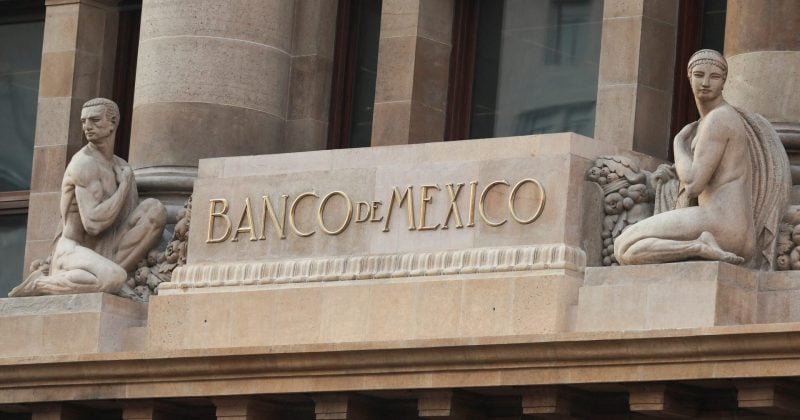
Mexico’s inflation slows to lowest rate since 2020, easing pressure on central bank

Mexico’s inflation slows to lowest rate since 2020, easing pressure on central bank

Annual inflation fell to 3.55% in June, undershooting expectations and giving Banxico room to hold rates steady at 6.50%.

Mexico just posted its coolest inflation reading in over five years, and it wasn’t even close to what analysts expected. The annual rate dropped to 3.55% in the first half of June, well below the 3.77% consensus estimate, according to data released by INEGI on June 24.

For context, this is a country that was running at 4.45% as recently as April. That kind of drop in two months doesn’t happen quietly.

The numbers tell a clear story

The deceleration has been swift and consistent. From 4.45% in April to 3.94% in May to 3.55% now, Mexico’s inflation trajectory looks like a ski slope. The primary driver behind the drop: softer non-core prices, particularly in the energy sector, which took a significant chunk out of the headline figure.

Core inflation, which strips out volatile items like food and energy, also moved in the right direction. It eased to 4.12% from 4.26% the prior period. That’s still above Banxico’s 3% target, but the direction of travel is what matters here.

Advertisement

Mexico’s central bank targets 3% inflation with a tolerance band of plus or minus one percentage point. At 3.55%, headline inflation now sits comfortably inside that range. Core inflation at 4.12% is still a bit outside the comfort zone, but it’s trending lower, and that distinction matters for policymakers.

The timing of the data release was no accident of the calendar. It landed exactly one day before Banxico’s Governing Board convened to decide on interest rates.

Banxico holds the line

On June 25, Banxico’s board voted unanimously to keep its benchmark overnight interbank rate at 6.50%. The decision matched what markets had priced in.

The hold marks a pause in what has been a measured easing cycle. Banxico cut rates by 25 basis points in May, and the June pause suggests the board wants to see more data before committing to further reductions.

Banxico also revised its near-term headline inflation forecasts lower, but the board was careful to note that risks remain tilted to the upside.

A 6.50% policy rate with 3.55% inflation gives Mexico a real interest rate of roughly 3%.

Why crypto markets should pay attention

Mexico is one of the world’s largest remittance corridors. Billions of dollars flow across the US-Mexico border annually, and stablecoins have been carving out an increasingly significant role in facilitating those transfers.

The Stablecoin Conference held in Mexico City on June 15-16 underscored this dynamic. The event highlighted growing institutional and retail interest in using dollar-denominated stablecoins for cross-border payments, an application that thrives when economic conditions are predictable rather than chaotic.

When inflation runs hot, people scramble to protect purchasing power and governments tend to tighten regulatory screws. When it cools, the conversation shifts from survival to efficiency. That’s where stablecoins shine: offering faster settlement, lower fees, and 24/7 availability compared to traditional remittance rails.

Disclosure: This article was edited by Editorial Team. For more information on how we create and review content, see our Editorial Policy.

Mexico’s inflation slows to lowest rate since 2020, easing pressure on central bank

Mexico’s inflation slows to lowest rate since 2020, easing pressure on central bank

Annual inflation fell to 3.55% in June, undershooting expectations and giving Banxico room to hold rates steady at 6.50%.

Mexico just posted its coolest inflation reading in over five years, and it wasn’t even close to what analysts expected. The annual rate dropped to 3.55% in the first half of June, well below the 3.77% consensus estimate, according to data released by INEGI on June 24.

For context, this is a country that was running at 4.45% as recently as April. That kind of drop in two months doesn’t happen quietly.

The numbers tell a clear story

The deceleration has been swift and consistent. From 4.45% in April to 3.94% in May to 3.55% now, Mexico’s inflation trajectory looks like a ski slope. The primary driver behind the drop: softer non-core prices, particularly in the energy sector, which took a significant chunk out of the headline figure.

Core inflation, which strips out volatile items like food and energy, also moved in the right direction. It eased to 4.12% from 4.26% the prior period. That’s still above Banxico’s 3% target, but the direction of travel is what matters here.

Advertisement

Mexico’s central bank targets 3% inflation with a tolerance band of plus or minus one percentage point. At 3.55%, headline inflation now sits comfortably inside that range. Core inflation at 4.12% is still a bit outside the comfort zone, but it’s trending lower, and that distinction matters for policymakers.

The timing of the data release was no accident of the calendar. It landed exactly one day before Banxico’s Governing Board convened to decide on interest rates.

Banxico holds the line

On June 25, Banxico’s board voted unanimously to keep its benchmark overnight interbank rate at 6.50%. The decision matched what markets had priced in.

The hold marks a pause in what has been a measured easing cycle. Banxico cut rates by 25 basis points in May, and the June pause suggests the board wants to see more data before committing to further reductions.

Banxico also revised its near-term headline inflation forecasts lower, but the board was careful to note that risks remain tilted to the upside.

A 6.50% policy rate with 3.55% inflation gives Mexico a real interest rate of roughly 3%.

Why crypto markets should pay attention

Mexico is one of the world’s largest remittance corridors. Billions of dollars flow across the US-Mexico border annually, and stablecoins have been carving out an increasingly significant role in facilitating those transfers.

The Stablecoin Conference held in Mexico City on June 15-16 underscored this dynamic. The event highlighted growing institutional and retail interest in using dollar-denominated stablecoins for cross-border payments, an application that thrives when economic conditions are predictable rather than chaotic.

When inflation runs hot, people scramble to protect purchasing power and governments tend to tighten regulatory screws. When it cools, the conversation shifts from survival to efficiency. That’s where stablecoins shine: offering faster settlement, lower fees, and 24/7 availability compared to traditional remittance rails.

Disclosure: This article was edited by Editorial Team. For more information on how we create and review content, see our Editorial Policy.