
Michael Burry’s Palantir short position: what investors actually need to know

Michael Burry’s Palantir short position: what investors actually need to know

The 'Big Short' investor's bearish bet against one of AI's most hyped stocks remains one of the market's most-watched contrarian trades.

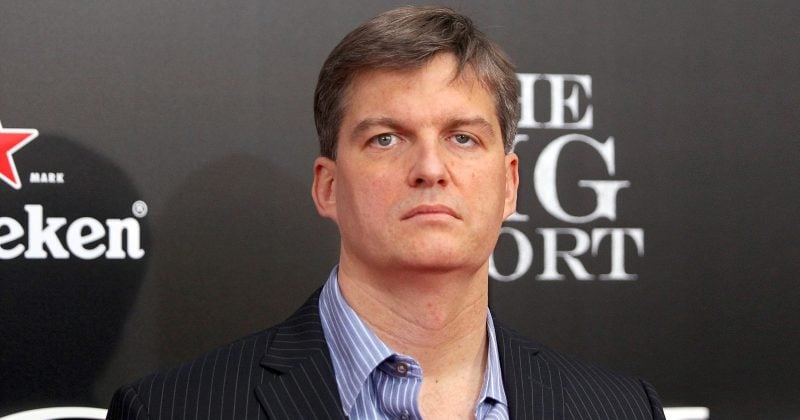
Michael Burry, the investor who famously predicted the 2008 housing crisis, has been waging a very public war against Palantir Technologies. His short position, first disclosed through put options in late 2025, has become one of the most scrutinized bets in the market.

Here’s the thing: while social media chatter suggests Burry has closed his short, no credible evidence supports that claim as of late June 2026. In fact, his most recent public comments double down on exactly the opposite.

The anatomy of a high-profile short

Burry’s bearish stance on Palantir first surfaced in 13F filings covering the period ending September 30, 2025. The filing showed put options on Palantir with a notional value of approximately $912 million, alongside roughly $187 million in puts on Nvidia.

Those headline numbers, as is often the case with options disclosures, told a misleading story. Burry later clarified that his actual spend on Palantir puts was around $9.2 million for approximately 50,000 contracts. In English: he wasn’t betting nearly a billion dollars against the company. He was spending less than $10 million on options that would pay off if Palantir dropped to around $50 by 2027.

Advertisement

Palantir CEO Alex Karp responded in November 2025 by calling the short “bats— crazy.”

Sand castles and head-and-shoulders patterns

On June 2, 2026, Burry took to social media to reiterate his bearish thesis, describing Palantir as a “sand castle” trading at roughly 16 times what he considers its intrinsic value.

He also pointed to a head-and-shoulders pattern forming in Palantir’s price chart. For the non-technical-analysis crowd: a head-and-shoulders pattern is a formation that some traders interpret as signaling a reversal from an uptrend to a downtrend.

The market paid attention. PLTR dropped approximately 5% to 6.55% the day following Burry’s comments.

The Scion situation adds complexity

One wrinkle that makes tracking Burry’s positions more difficult: Scion Asset Management deregistered with the SEC in November 2025. The fund announced a liquidation by year-end 2025.

This means the normal disclosure mechanisms that let the public track institutional positions, primarily 13F filings, may no longer apply. Without mandatory filings, the public is largely relying on his social media activity for clues.

Those clues, at least through June 2026, point firmly in one direction: Burry remains bearish on Palantir. His “sand castle” commentary came months after Scion’s deregistration, suggesting the trade is alive in some form regardless of the fund’s formal status.

What this means for investors

Burry’s core argument deserves serious consideration. Palantir has been one of the biggest beneficiaries of the AI investment boom, and his puts on Nvidia suggest a wider thesis that AI-adjacent stocks have gotten ahead of their fundamentals.

The absence of confirmed information about Burry exiting this trade is itself informative. In a market where every notable fund manager’s moves get dissected in real time, the lack of evidence for a position closure, combined with ongoing public bearish commentary, suggests the bet remains active. Investors interpreting social media rumors as confirmation of a short exit should demand receipts before adjusting their own strategies accordingly.

Disclosure: This article was edited by Editorial Team. For more information on how we create and review content, see our Editorial Policy.

Michael Burry’s Palantir short position: what investors actually need to know

Michael Burry’s Palantir short position: what investors actually need to know

The 'Big Short' investor's bearish bet against one of AI's most hyped stocks remains one of the market's most-watched contrarian trades.

Michael Burry, the investor who famously predicted the 2008 housing crisis, has been waging a very public war against Palantir Technologies. His short position, first disclosed through put options in late 2025, has become one of the most scrutinized bets in the market.

Here’s the thing: while social media chatter suggests Burry has closed his short, no credible evidence supports that claim as of late June 2026. In fact, his most recent public comments double down on exactly the opposite.

The anatomy of a high-profile short

Burry’s bearish stance on Palantir first surfaced in 13F filings covering the period ending September 30, 2025. The filing showed put options on Palantir with a notional value of approximately $912 million, alongside roughly $187 million in puts on Nvidia.

Those headline numbers, as is often the case with options disclosures, told a misleading story. Burry later clarified that his actual spend on Palantir puts was around $9.2 million for approximately 50,000 contracts. In English: he wasn’t betting nearly a billion dollars against the company. He was spending less than $10 million on options that would pay off if Palantir dropped to around $50 by 2027.

Advertisement

Palantir CEO Alex Karp responded in November 2025 by calling the short “bats— crazy.”

Sand castles and head-and-shoulders patterns

On June 2, 2026, Burry took to social media to reiterate his bearish thesis, describing Palantir as a “sand castle” trading at roughly 16 times what he considers its intrinsic value.

He also pointed to a head-and-shoulders pattern forming in Palantir’s price chart. For the non-technical-analysis crowd: a head-and-shoulders pattern is a formation that some traders interpret as signaling a reversal from an uptrend to a downtrend.

The market paid attention. PLTR dropped approximately 5% to 6.55% the day following Burry’s comments.

The Scion situation adds complexity

One wrinkle that makes tracking Burry’s positions more difficult: Scion Asset Management deregistered with the SEC in November 2025. The fund announced a liquidation by year-end 2025.

This means the normal disclosure mechanisms that let the public track institutional positions, primarily 13F filings, may no longer apply. Without mandatory filings, the public is largely relying on his social media activity for clues.

Those clues, at least through June 2026, point firmly in one direction: Burry remains bearish on Palantir. His “sand castle” commentary came months after Scion’s deregistration, suggesting the trade is alive in some form regardless of the fund’s formal status.

What this means for investors

Burry’s core argument deserves serious consideration. Palantir has been one of the biggest beneficiaries of the AI investment boom, and his puts on Nvidia suggest a wider thesis that AI-adjacent stocks have gotten ahead of their fundamentals.

The absence of confirmed information about Burry exiting this trade is itself informative. In a market where every notable fund manager’s moves get dissected in real time, the lack of evidence for a position closure, combined with ongoing public bearish commentary, suggests the bet remains active. Investors interpreting social media rumors as confirmation of a short exit should demand receipts before adjusting their own strategies accordingly.

Disclosure: This article was edited by Editorial Team. For more information on how we create and review content, see our Editorial Policy.