
Micron Technology’s forecast boosts Japanese, South Korean stocks amid AI optimism

Micron Technology’s forecast boosts Japanese, South Korean stocks amid AI optimism

Memory chipmaker's blowout earnings and committed HBM supply sent the Nikkei up over 2.5% as Asian semiconductor stocks rallied hard

Micron Technology just reminded everyone why memory chips are the unglamorous backbone of the AI revolution. The company posted fiscal Q3 2026 results that didn’t just beat expectations, they obliterated them, and the ripple effects reached Tokyo and Seoul before most American traders had their morning coffee.

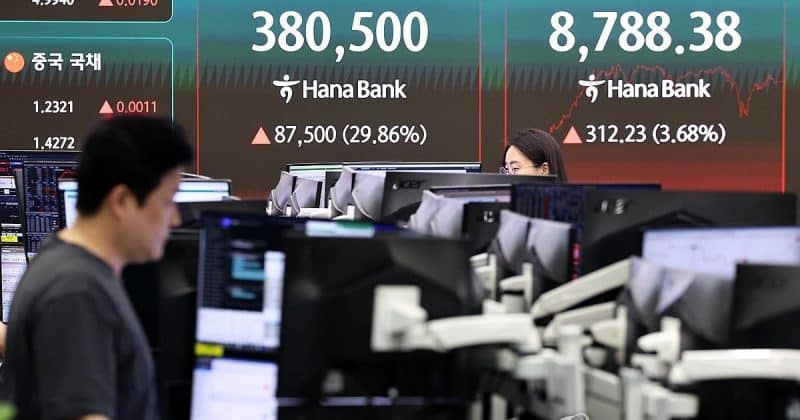
On June 25, the Nikkei index surged more than 2.5%, driven primarily by AI and semiconductor shares reacting to Micron’s after-hours earnings release the day before. Samsung and SK Hynix, South Korea’s two memory chip giants, rode the same wave of optimism.

The numbers behind the rally

Micron reported earnings per share of $25.11 for fiscal Q3, against analyst estimates of roughly $20.5. Revenue landed at $41.46 billion versus projected estimates of around $35.7 billion.

The engine behind these numbers is high-bandwidth memory, or HBM. HBM is the specialized, ultra-fast memory that AI data centers need to train and run large language models.

Advertisement

Micron’s entire HBM output for calendar year 2026 is already committed under multi-year supply agreements. Every chip accounted for before the year is even over.

Gross margin guidance reached as high as 81% in early previews. For context, semiconductor companies typically operate with gross margins in the 40-60% range during healthy periods.

Why this time feels different for memory chips

Micron’s latest results suggest something structurally different might be happening. CEO Sanjay Mehrotra emphasized the strategic role of memory products in supporting AI infrastructure development, framing the company’s position not as a cyclical winner but as a foundational supplier for a technological shift.

The multi-year supply agreements backing HBM output are a key signal. Rather than selling into a spot market vulnerable to price swings, Micron has locked in demand from hyperscalers and AI infrastructure builders who need guaranteed supply.

What this means for investors

The Nikkei’s 2.5% jump on a single company’s earnings report illustrates how concentrated the market’s AI thesis has become. Japanese semiconductor equipment makers, component suppliers, and chip designers are all trading as proxies for AI demand.

An 81% gross margin in memory chips means pricing power has shifted decisively toward suppliers. That dynamic benefits Micron, Samsung, and SK Hynix simultaneously, which is part of why the rally was so broad across Asian markets.

The risk worth watching is whether the multi-year supply commitments eventually run ahead of actual deployment. Hyperscalers have been known to over-order during periods of scarcity and then cancel or delay when capacity catches up. Investors should monitor whether AI capital expenditure guidance from major cloud providers remains consistent in coming quarters.

Disclosure: This article was edited by Editorial Team. For more information on how we create and review content, see our Editorial Policy.

Micron Technology’s forecast boosts Japanese, South Korean stocks amid AI optimism

Micron Technology’s forecast boosts Japanese, South Korean stocks amid AI optimism

Memory chipmaker's blowout earnings and committed HBM supply sent the Nikkei up over 2.5% as Asian semiconductor stocks rallied hard

Micron Technology just reminded everyone why memory chips are the unglamorous backbone of the AI revolution. The company posted fiscal Q3 2026 results that didn’t just beat expectations, they obliterated them, and the ripple effects reached Tokyo and Seoul before most American traders had their morning coffee.

On June 25, the Nikkei index surged more than 2.5%, driven primarily by AI and semiconductor shares reacting to Micron’s after-hours earnings release the day before. Samsung and SK Hynix, South Korea’s two memory chip giants, rode the same wave of optimism.

The numbers behind the rally

Micron reported earnings per share of $25.11 for fiscal Q3, against analyst estimates of roughly $20.5. Revenue landed at $41.46 billion versus projected estimates of around $35.7 billion.

The engine behind these numbers is high-bandwidth memory, or HBM. HBM is the specialized, ultra-fast memory that AI data centers need to train and run large language models.

Advertisement

Micron’s entire HBM output for calendar year 2026 is already committed under multi-year supply agreements. Every chip accounted for before the year is even over.

Gross margin guidance reached as high as 81% in early previews. For context, semiconductor companies typically operate with gross margins in the 40-60% range during healthy periods.

Why this time feels different for memory chips

Micron’s latest results suggest something structurally different might be happening. CEO Sanjay Mehrotra emphasized the strategic role of memory products in supporting AI infrastructure development, framing the company’s position not as a cyclical winner but as a foundational supplier for a technological shift.

The multi-year supply agreements backing HBM output are a key signal. Rather than selling into a spot market vulnerable to price swings, Micron has locked in demand from hyperscalers and AI infrastructure builders who need guaranteed supply.

What this means for investors

The Nikkei’s 2.5% jump on a single company’s earnings report illustrates how concentrated the market’s AI thesis has become. Japanese semiconductor equipment makers, component suppliers, and chip designers are all trading as proxies for AI demand.

An 81% gross margin in memory chips means pricing power has shifted decisively toward suppliers. That dynamic benefits Micron, Samsung, and SK Hynix simultaneously, which is part of why the rally was so broad across Asian markets.

The risk worth watching is whether the multi-year supply commitments eventually run ahead of actual deployment. Hyperscalers have been known to over-order during periods of scarcity and then cancel or delay when capacity catches up. Investors should monitor whether AI capital expenditure guidance from major cloud providers remains consistent in coming quarters.

Disclosure: This article was edited by Editorial Team. For more information on how we create and review content, see our Editorial Policy.