
Nexo Earn with Nexo
Micron Technology’s stock rebounds as analysts predict growth driven by AI memory demand

Micron Technology’s stock rebounds as analysts predict growth driven by AI memory demand

Goldman Sachs more than doubles its price target for Micron as the chipmaker's AI-fueled earnings trajectory draws bullish consensus ahead of fiscal Q3 results

Micron Technology just pulled off the kind of comeback that makes short sellers reconsider their life choices. After a sharp 13% decline, the stock surged nearly 10% in pre-market trading between June 9 and 10, fueled by a wave of analyst upgrades and a price target hike from Goldman Sachs that basically screamed confidence.

The investment bank raised its target on Micron from $400 to $900. That is not a typo. Goldman more than doubled its outlook for a company already trading at elevated levels, signaling that Wall Street thinks the AI-driven memory boom is far from over.

The numbers behind the optimism

Micron’s fiscal Q3 earnings report, scheduled for June 24, is shaping up to be one of the quarter’s most consequential releases. Consensus revenue estimates sit at approximately $34.47 billion, which would represent a roughly 270% increase compared to the same period last year.

The earnings-per-share projection is even more dramatic. Analysts expect $19.79 in EPS, a 936% year-over-year jump. To put that in perspective, the company itself guided for approximately $33.5 billion in revenue at the Q3 midpoint, meaning the Street’s estimates are running slightly ahead of management’s own expectations.

That gap between company guidance and analyst consensus is worth watching. When Wall Street’s numbers run ahead of management, it usually means one of two things: analysts are getting ahead of themselves, or they’re pricing in an upside surprise. Given the current supply dynamics in memory chips, the latter scenario seems more plausible.

Advertisement

Micron’s stock has already posted staggering gains. The shares rose over 700% during 2025 and have tacked on approximately 174% year-to-date in 2026, pushing the company’s market capitalization to peaks around $1 trillion. For a memory chipmaker, a company category historically known for boom-and-bust cycles, that kind of valuation territory is genuinely unprecedented.

Why high-bandwidth memory is the real story

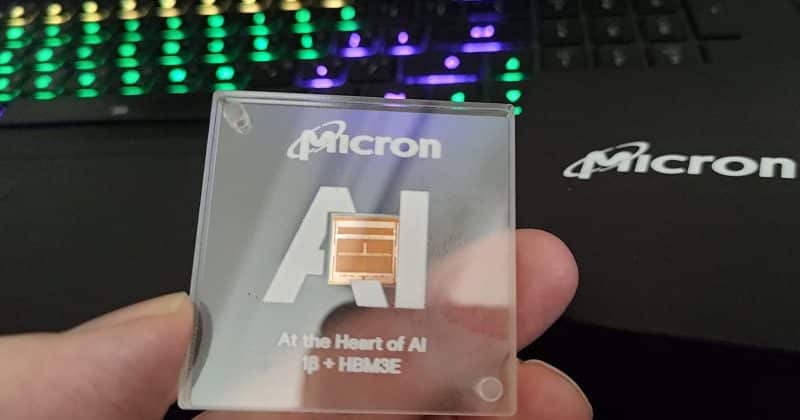
The engine behind all of this is high-bandwidth memory, or HBM. Think of HBM as the premium fuel that AI data centers need to run the massive language models and training workloads powering everything from ChatGPT competitors to autonomous vehicle systems. Without it, the most advanced AI chips from Nvidia and AMD simply cannot perform at their designed capacity.

Supply conditions in the HBM segment remain extremely tight. Micron is one of only three companies in the world capable of producing this type of memory at scale, alongside Samsung and SK Hynix. When demand outstrips supply for a product with only three manufacturers, pricing power follows. That is exactly what analysts are seeing in the data.

Market watchers expect these constrained supply conditions to persist well into 2027. That timeline matters because it suggests Micron’s current earnings trajectory is not a one-quarter phenomenon but potentially a multi-year structural tailwind. Companies that can sustain above-trend growth for extended periods tend to maintain premium valuations, which is precisely the argument bulls are making.

Rising memory prices, driven specifically by AI application demand, have been the primary factor supporting Micron’s revenue guidance. As more enterprises deploy AI infrastructure and hyperscale cloud providers continue expanding their data center footprints, the need for HBM is only accelerating.

The crypto angle and what investors should watch

Here is where things get interesting for the crypto audience. A tokenized version of Micron’s stock, trading under the ticker MUON, has emerged as a way for investors to gain on-chain exposure to the chipmaker’s performance. It represents a growing trend of traditional equities being wrapped in blockchain-based instruments, blurring the line between TradFi and DeFi.

Tokenized stocks like MUON are designed to let crypto-native investors participate in equity markets without leaving the blockchain ecosystem. For someone already comfortable with wallets and decentralized exchanges, buying a token that tracks Micron’s price is a more natural motion than opening a brokerage account. Whether these instruments gain meaningful liquidity remains an open question, but the existence of MUON on the back of a trillion-dollar company is a signal that the tokenization thesis is moving beyond theoretical.

For traditional investors eyeing Micron, the key risk is valuation compression. A stock that has risen 700% in one year and another 174% the next carries significant expectations baked into its price. If the June 24 earnings report misses even slightly, or if management’s forward guidance disappoints, the downside reaction could be severe. The recent 13% dip before the rebound is a preview of how volatile this name can get.

The bullish case, however, rests on something more durable than a single quarter. AI infrastructure buildout is a multi-year capital expenditure cycle that shows no signs of slowing. Hyperscale cloud providers have publicly committed to spending hundreds of billions on data centers, and every one of those facilities needs memory. Lots of it.

Analysts remain broadly optimistic, citing the potential for further guidance increases as Micron captures more HBM market share. The question is not whether the company will grow, but whether the current stock price already reflects that growth. With Goldman Sachs setting a $900 target, at least one major bank thinks there is still room to run. Investors who disagree with that assessment might want to wait for the June 24 earnings call before making any moves.

Disclosure: This article was edited by Editorial Team. For more information on how we create and review content, see our Editorial Policy.

Micron Technology’s stock rebounds as analysts predict growth driven by AI memory demand

Micron Technology’s stock rebounds as analysts predict growth driven by AI memory demand

Goldman Sachs more than doubles its price target for Micron as the chipmaker's AI-fueled earnings trajectory draws bullish consensus ahead of fiscal Q3 results

Micron Technology just pulled off the kind of comeback that makes short sellers reconsider their life choices. After a sharp 13% decline, the stock surged nearly 10% in pre-market trading between June 9 and 10, fueled by a wave of analyst upgrades and a price target hike from Goldman Sachs that basically screamed confidence.

The investment bank raised its target on Micron from $400 to $900. That is not a typo. Goldman more than doubled its outlook for a company already trading at elevated levels, signaling that Wall Street thinks the AI-driven memory boom is far from over.

The numbers behind the optimism

Micron’s fiscal Q3 earnings report, scheduled for June 24, is shaping up to be one of the quarter’s most consequential releases. Consensus revenue estimates sit at approximately $34.47 billion, which would represent a roughly 270% increase compared to the same period last year.

The earnings-per-share projection is even more dramatic. Analysts expect $19.79 in EPS, a 936% year-over-year jump. To put that in perspective, the company itself guided for approximately $33.5 billion in revenue at the Q3 midpoint, meaning the Street’s estimates are running slightly ahead of management’s own expectations.

That gap between company guidance and analyst consensus is worth watching. When Wall Street’s numbers run ahead of management, it usually means one of two things: analysts are getting ahead of themselves, or they’re pricing in an upside surprise. Given the current supply dynamics in memory chips, the latter scenario seems more plausible.

Advertisement

Micron’s stock has already posted staggering gains. The shares rose over 700% during 2025 and have tacked on approximately 174% year-to-date in 2026, pushing the company’s market capitalization to peaks around $1 trillion. For a memory chipmaker, a company category historically known for boom-and-bust cycles, that kind of valuation territory is genuinely unprecedented.

Why high-bandwidth memory is the real story

The engine behind all of this is high-bandwidth memory, or HBM. Think of HBM as the premium fuel that AI data centers need to run the massive language models and training workloads powering everything from ChatGPT competitors to autonomous vehicle systems. Without it, the most advanced AI chips from Nvidia and AMD simply cannot perform at their designed capacity.

Supply conditions in the HBM segment remain extremely tight. Micron is one of only three companies in the world capable of producing this type of memory at scale, alongside Samsung and SK Hynix. When demand outstrips supply for a product with only three manufacturers, pricing power follows. That is exactly what analysts are seeing in the data.

Market watchers expect these constrained supply conditions to persist well into 2027. That timeline matters because it suggests Micron’s current earnings trajectory is not a one-quarter phenomenon but potentially a multi-year structural tailwind. Companies that can sustain above-trend growth for extended periods tend to maintain premium valuations, which is precisely the argument bulls are making.

Rising memory prices, driven specifically by AI application demand, have been the primary factor supporting Micron’s revenue guidance. As more enterprises deploy AI infrastructure and hyperscale cloud providers continue expanding their data center footprints, the need for HBM is only accelerating.

The crypto angle and what investors should watch

Here is where things get interesting for the crypto audience. A tokenized version of Micron’s stock, trading under the ticker MUON, has emerged as a way for investors to gain on-chain exposure to the chipmaker’s performance. It represents a growing trend of traditional equities being wrapped in blockchain-based instruments, blurring the line between TradFi and DeFi.

Tokenized stocks like MUON are designed to let crypto-native investors participate in equity markets without leaving the blockchain ecosystem. For someone already comfortable with wallets and decentralized exchanges, buying a token that tracks Micron’s price is a more natural motion than opening a brokerage account. Whether these instruments gain meaningful liquidity remains an open question, but the existence of MUON on the back of a trillion-dollar company is a signal that the tokenization thesis is moving beyond theoretical.

For traditional investors eyeing Micron, the key risk is valuation compression. A stock that has risen 700% in one year and another 174% the next carries significant expectations baked into its price. If the June 24 earnings report misses even slightly, or if management’s forward guidance disappoints, the downside reaction could be severe. The recent 13% dip before the rebound is a preview of how volatile this name can get.

The bullish case, however, rests on something more durable than a single quarter. AI infrastructure buildout is a multi-year capital expenditure cycle that shows no signs of slowing. Hyperscale cloud providers have publicly committed to spending hundreds of billions on data centers, and every one of those facilities needs memory. Lots of it.

Analysts remain broadly optimistic, citing the potential for further guidance increases as Micron captures more HBM market share. The question is not whether the company will grow, but whether the current stock price already reflects that growth. With Goldman Sachs setting a $900 target, at least one major bank thinks there is still room to run. Investors who disagree with that assessment might want to wait for the June 24 earnings call before making any moves.

Disclosure: This article was edited by Editorial Team. For more information on how we create and review content, see our Editorial Policy.