
Nexo Earn with Nexo
Microsoft loses exclusive OpenAI IP rights as new deal caps revenue share

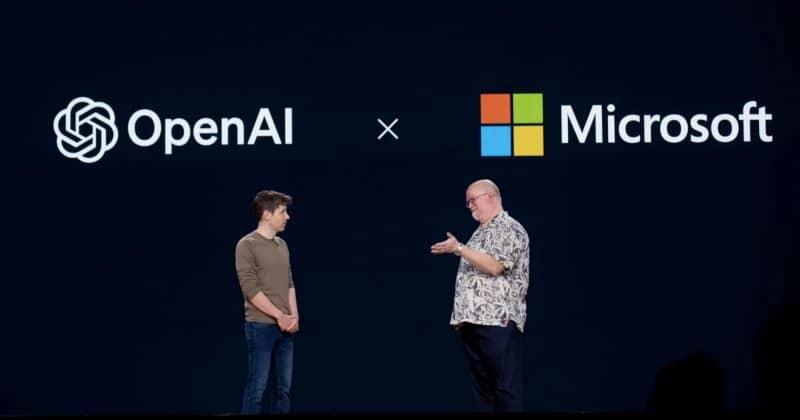
Photo: Shirin Ghaffary

Microsoft loses exclusive OpenAI IP rights as new deal caps revenue share

OpenAI will keep sharing revenue with Microsoft through 2030 at the same percentage, but the payments are now subject to a total cap.

Microsoft and OpenAI have amended their partnership, stripping Microsoft of its exclusive license to OpenAI’s models and products while placing a cap on future revenue share payments from OpenAI to Microsoft.

The new agreement keeps Microsoft tied to OpenAI’s technology through 2032, but changes the structure of that access. Microsoft will continue licensing OpenAI IP for models and products, though the license is now non exclusive, giving OpenAI more flexibility to distribute and commercialize its technology beyond Microsoft’s ecosystem.

The revenue terms also shifted. Microsoft will no longer pay revenue share to OpenAI, while OpenAI will continue making revenue share payments to Microsoft through 2030 at the same percentage as before, now subject to a total cap.

The announcement initially hit Microsoft shares, which fell more than 4% as the news broke and the new deal was announced. By midday trading, however, the stock had recovered and was trading roughly flat on the day, suggesting investors were weighing the loss of exclusivity against Microsoft’s continued access to OpenAI technology and its position as a major shareholder.

Microsoft remains OpenAI’s primary cloud partner, and OpenAI products will still ship first on Azure unless Microsoft cannot support the required capabilities. But OpenAI can now serve products to customers across any cloud provider, marking a major shift from a partnership built around Microsoft’s exclusive access and infrastructure advantage.

Disclosure: This article was edited by Estefano Gomez. For more information on how we create and review content, see our Editorial Policy.

Microsoft loses exclusive OpenAI IP rights as new deal caps revenue share

Microsoft loses exclusive OpenAI IP rights as new deal caps revenue share

OpenAI will keep sharing revenue with Microsoft through 2030 at the same percentage, but the payments are now subject to a total cap.

Photo: Shirin Ghaffary

Microsoft and OpenAI have amended their partnership, stripping Microsoft of its exclusive license to OpenAI’s models and products while placing a cap on future revenue share payments from OpenAI to Microsoft.

The new agreement keeps Microsoft tied to OpenAI’s technology through 2032, but changes the structure of that access. Microsoft will continue licensing OpenAI IP for models and products, though the license is now non exclusive, giving OpenAI more flexibility to distribute and commercialize its technology beyond Microsoft’s ecosystem.

The revenue terms also shifted. Microsoft will no longer pay revenue share to OpenAI, while OpenAI will continue making revenue share payments to Microsoft through 2030 at the same percentage as before, now subject to a total cap.

The announcement initially hit Microsoft shares, which fell more than 4% as the news broke and the new deal was announced. By midday trading, however, the stock had recovered and was trading roughly flat on the day, suggesting investors were weighing the loss of exclusivity against Microsoft’s continued access to OpenAI technology and its position as a major shareholder.

Microsoft remains OpenAI’s primary cloud partner, and OpenAI products will still ship first on Azure unless Microsoft cannot support the required capabilities. But OpenAI can now serve products to customers across any cloud provider, marking a major shift from a partnership built around Microsoft’s exclusive access and infrastructure advantage.

Disclosure: This article was edited by Estefano Gomez. For more information on how we create and review content, see our Editorial Policy.